 Save
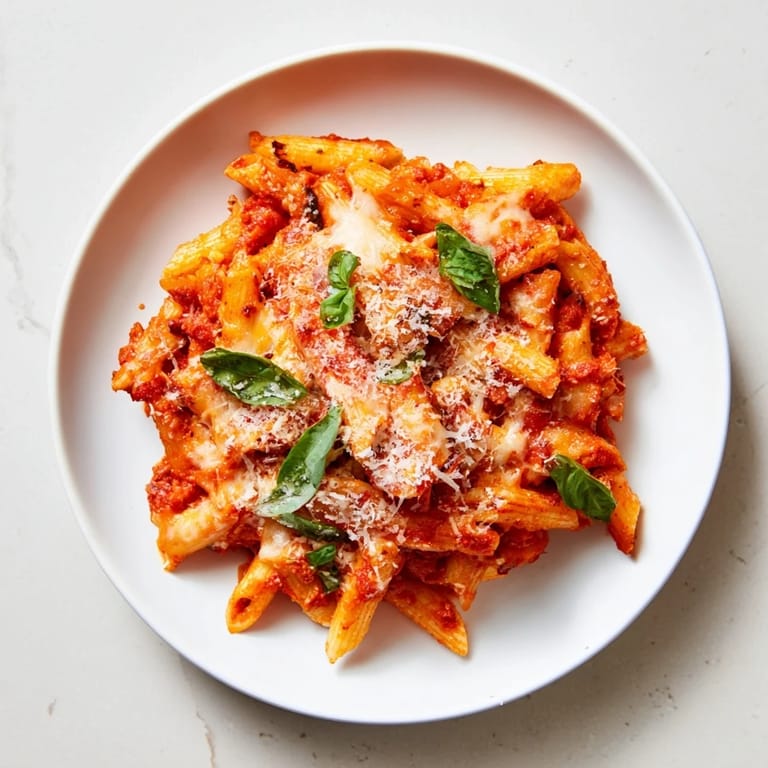
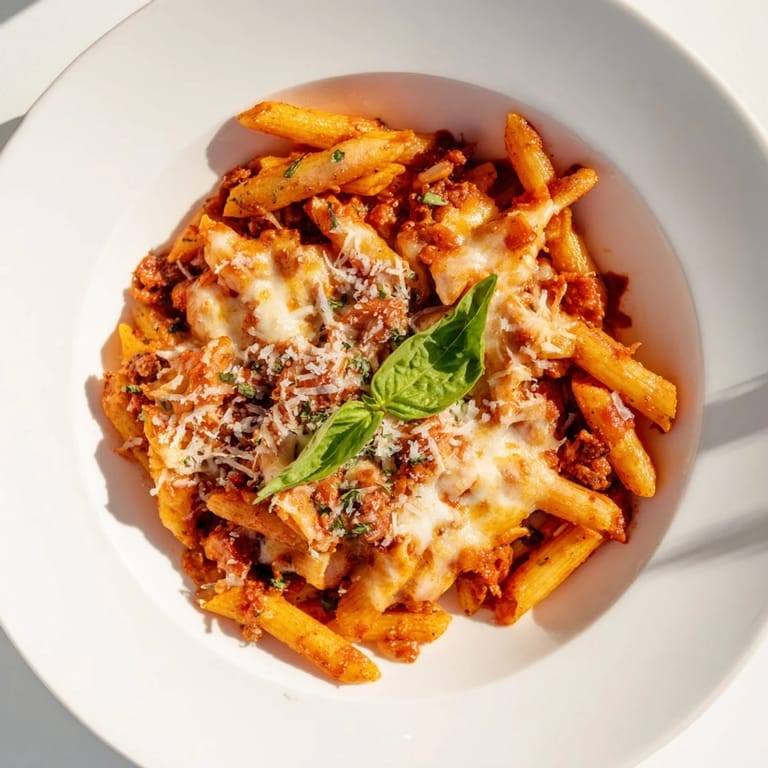
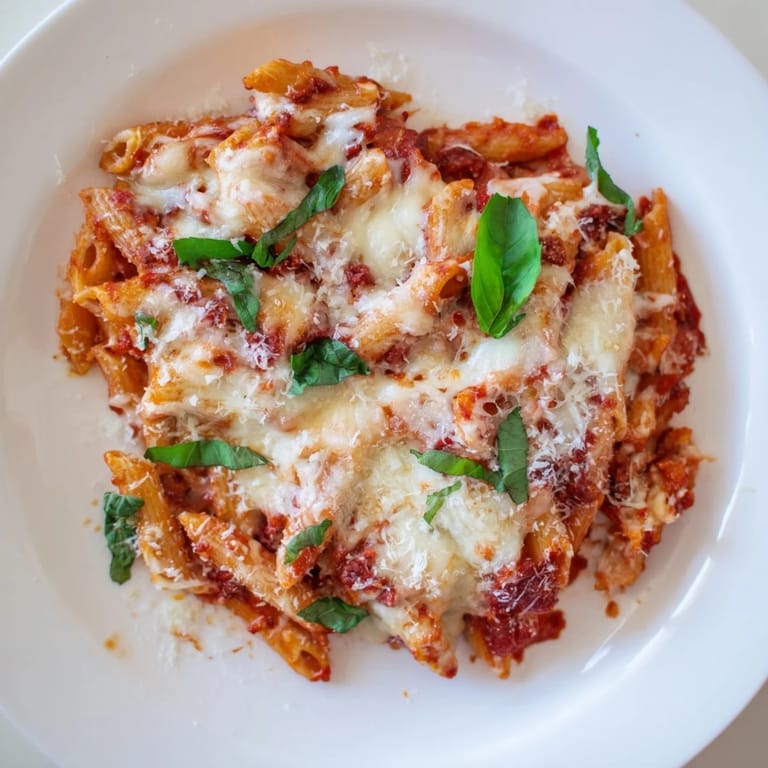
Save One Tuesday evening, I was craving the heat and comfort of arrabbiata, but I didn't want to stand over a bowl of pasta that would cool too quickly. So I did something unconventional—I layered it all into a baking dish with cheese and let the oven do the work. The result was more satisfying than I expected: a bubbling, golden-topped dish where the sauce clung to every piece of penne, and the cheese created little crispy edges that made it impossible to stop at one serving.
I made this for friends on a cold evening, and watching them return for second helpings while the dish still steamed at the center of the table reminded me why pasta bakes are so beloved. There's something about food that arrives at the table still bubbling and hot that makes people want to linger.
Ingredients
- Penne pasta: The ridges catch and hold sauce beautifully, and cooking it slightly under prevents mushiness when baked.
- Olive oil: Use your best bottle—it flavors the entire dish and you'll taste the difference.
- Garlic: Chopped finely so it distributes evenly and mellows into sweetness during cooking.
- Crushed red pepper flakes: Start conservatively and taste; some batches are hotter than others, and you can always add more spice.
- Canned crushed tomatoes: Whole peeled tomatoes crushed by hand work beautifully too if you prefer fresher flavor.
- Sugar: A small pinch balances the acidity of tomatoes without making the sauce taste sweet.
- Dried oregano and black pepper: These ground spices anchor the flavor, so measure carefully rather than eyeballing.
- Fresh basil: Save some for garnish—stirring it in at the end keeps the color bright and taste alive.
- Parmesan cheese: Aged Parmigiano-Reggiano tastes richer than domestic versions and melts more evenly.
- Mozzarella cheese: Shredded cheese melts faster than sliced, creating those golden, bubbly edges.
Tired of Takeout? 🥡
Get 10 meals you can make faster than delivery arrives. Seriously.
One email. No spam. Unsubscribe anytime.
Instructions
- Set your oven to preheat:
- 200°C (400°F) is hot enough to create that coveted golden top without drying out the pasta underneath. Grease your baking dish while the oven heats so you're ready to assemble.
- Boil the pasta until almost tender:
- Cook it about two minutes less than the package says—the baking will finish the job, and you want to avoid mushy pasta. Drain it generously so excess water doesn't dilute your sauce.
- Build the sauce with patience:
- Sauté garlic and red pepper in warm oil until fragrant, maybe a minute or two. Don't let the garlic brown or it will taste bitter and harsh.
- Simmer the tomatoes gently:
- Add crushed tomatoes and seasonings, then let everything bubble quietly for 10-12 minutes, stirring occasionally. You'll notice the sauce thicken slightly and deepen in color—that's when you know it's ready.
- Finish the sauce with fresh basil:
- Stir in your chopped basil off the heat so it stays bright green and aromatic. Save a small handful for garnish later.
- Combine pasta and sauce evenly:
- Toss gently so every noodle is coated. This prevents dry patches in the finished dish.
- Layer everything in the baking dish:
- Spread half the pasta sauce mixture on the bottom, scatter half the cheeses, then layer the rest on top with the remaining cheese. This creates distinct layers that stay distinct rather than blending into one dense mass.
- Bake until golden and bubbling:
- 18-20 minutes should do it—the cheese will melt and turn golden at the edges, and you'll see sauce bubbling around the sides. The aroma will tell you when it's almost done.
- Let it rest briefly before serving:
- Five minutes allows the cheese to set slightly so it doesn't slide around when you serve. Garnish with fresh basil and a crack of black pepper.
 Save
Save What surprised me most was how this dish transformed ordinary weeknight ingredients into something that felt special and restaurant-worthy. The heat wasn't aggressive—it was warm and inviting, the kind that makes you reach for water and then immediately take another bite.
Adjusting the Heat
The beauty of arrabbiata is its customizable fire. I've learned that red pepper flakes vary wildly in potency, so start with one teaspoon and taste the sauce before adding more. If you want serious heat, add an extra half teaspoon, or stir in a tiny pinch of chili powder for a different kind of warmth. Some people like to reserve a few flakes to sprinkle on top just before serving for a final kick.
Cheese Choices and Variations
While Parmesan and mozzarella are traditional, I've experimented with fontina for a creamier, more luxurious finish, and provolone for a sharper edge. Each cheese tells a different story in the same dish. You can also mix in a handful of crumbled ricotta before baking for extra richness, though that's more indulgent than classic.
Making It Your Own
This recipe welcomes gentle additions without losing its soul. Sautéed mushrooms or roasted red peppers slip in naturally, and a handful of fresh spinach stirred into the sauce at the end adds color and nutrition. The dish pairs beautifully with a simple green salad dressed in lemon and olive oil, and a glass of Chianti or similar red wine amplifies the whole experience.
- Roast vegetables separately if adding them so they don't release too much moisture into the sauce.
- If making ahead, assemble the baking dish, cover, and refrigerate for up to 8 hours—just add a few minutes to the baking time.
- Leftovers taste even better reheated gently in a 180°C oven with a splash of water to restore moisture.
 Save
Save This baked arrabbiata has become my go-to when I want to feed people something warm and alive without spending the evening in the kitchen. It's the kind of dish that tastes like care without demanding it.
Recipe FAQs
- → How can I adjust the spiciness of the dish?
Add more crushed red pepper flakes or a pinch of chili powder to increase heat, or reduce them for a milder flavor.
- → What pasta is best for this bake?
Penne pasta works best due to its tubular shape that holds the sauce well and layers evenly in the baking dish.
- → Can I substitute the cheeses used?
Yes, mozzarella can be replaced with provolone or fontina for different flavor profiles while maintaining a melty texture.
- → Should the pasta be fully cooked before baking?
Cook penne slightly less than al dente to prevent overcooking during baking, ensuring a perfect bite.
- → How to enhance the dish with vegetables?
Sautéed bell peppers, mushrooms, or other veggies can be added to the sauce or layered in the bake for extra texture and flavor.