 Save
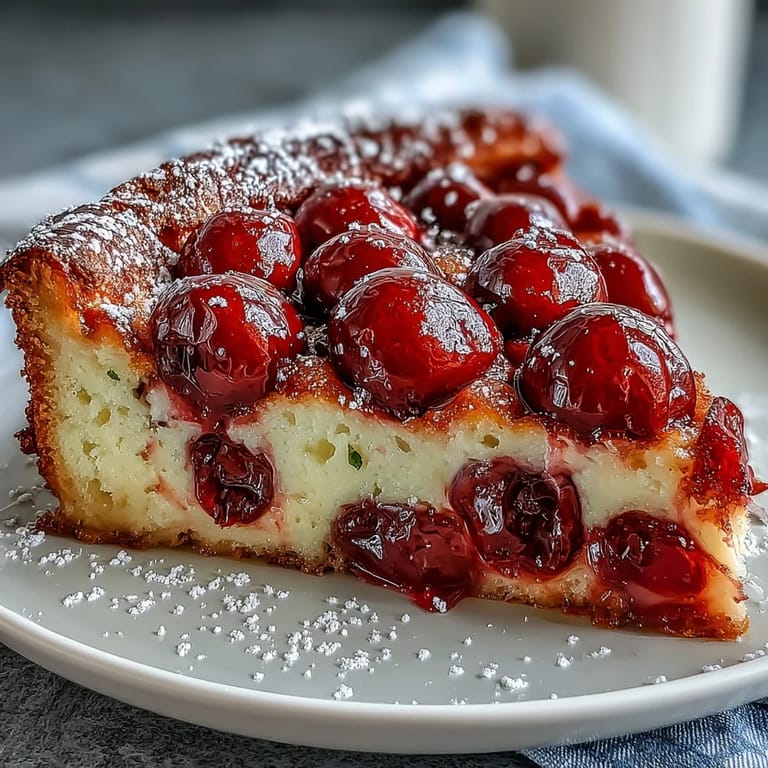
Save The scent of warm cherries and vanilla drifting from my oven always reminds me of the first late-summer afternoon I decided to try a French clafoutis. I hadn't planned on baking, but a spontaneous purchase of a basket of glossy, just-picked cherries beckoned for something special. As I whisked the batter, the kitchen filled with the hum of lazy fan blades and the clatter of pits hitting the sink. There is something both rustic and sophisticated in pouring custard over fruit and sliding it into the oven. The anticipation is half the joy, watching as the batter puffs and browns into something impossibly inviting.
One summer evening, I brought out a still-warm clafoutis to the patio, where friends lounged with glasses of crisp white wine. We laughed about botched cake attempts and admired how the clafoutis—soft in the center, golden at the edges—required no frosting or fuss. Someone confessed to sneaking a second slice while cleaning up, and I can't blame them. The dessert disappeared before dusk, every plate scraped clean. That night it was clear: this dish was destined to be a go-to for impromptu gatherings.
Ingredients
- Fresh sweet cherries: Their juiciness shines in the final bake, though pitting is an act of patience—use a straw or chopstick if you don't own a pitter.
- Large eggs: Room temperature eggs whisk up fluffier, giving lift to the custard.
- Granulated sugar: Just enough to let the fruit's natural sweetness still shine.
- Vanilla bean: Scraping fresh seeds into the batter transforms the aroma—don't skip this if you can find real beans.
- All-purpose flour: Sift before adding to dodge pesky lumps.
- Salt: A pinch balances every layer of flavor.
- Whole milk: Adds richness without overwhelming, making a delicate custard base.
- Heavy cream: This splash of cream softens the texture, making the clafoutis indulgently tender.
- Unsalted butter: Melt and let cool to blend in smoothly—it gives a subtle richness to every bite.
- Butter for greasing: A well-buttered dish ensures the custard won't stick and gives a hint of buttery edge.
- Powdered sugar: A final dusting makes everything look bakery-shop ready and adds a whisper of sweetness on top.
Tired of Takeout? 🥡
Get 10 meals you can make faster than delivery arrives. Seriously.
One email. No spam. Unsubscribe anytime.
Instructions
- Prep the Oven and Pan:
- Set the oven to 180°C 350°F while you generously butter your baking dish; you want every curve covered for easy scooping later.
- Cherry Layer:
- Scatter your pitted cherries in the bottom—don't worry if they're a bit uneven, those clustered bites are always the best surprise.
- Whisk the Eggs and Sugar:
- In a mixing bowl, beat the eggs with sugar until it's pale and lightly thickened—the rhythm is soothing and you'll see a subtle sheen develop.
- Add Vanilla Seeds, Flour, and Salt:
- Stir in the scraped vanilla seeds, then gently whisk the flour and salt into the mixture—expect the batter to become smooth and aromatic.
- Incorporate Milk, Cream, and Butter:
- Slowly pour in the milk, then the cream, followed by the cooled melted butter, whisking steadily until your batter feels luxurious and lump-free.
- Combine and Pour:
- Carefully pour the silky batter over the cherries; watch how it pools around the fruit and settle in place beautifully.
- Bake to Perfection:
- Slide into the oven for 35-40 minutes—peek through the door as it puffs and browns, but resist poking until the center just sets.
- Cool and Finish:
- Allow to cool for 15 minutes; this brief pause makes serving cleaner. Right before bringing it to the table, dust generously with powdered sugar for that final flourish.
- Serve and Savor:
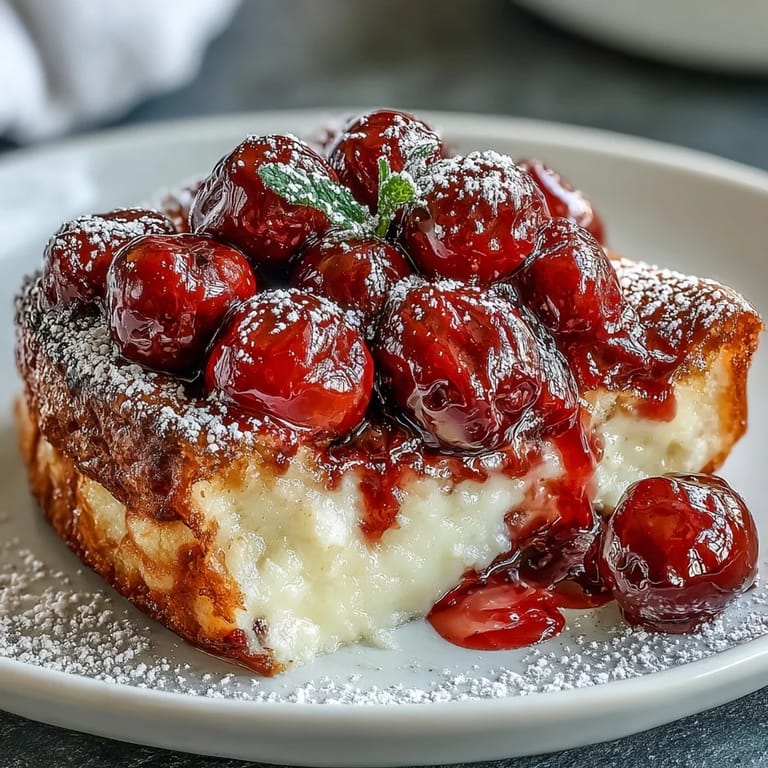
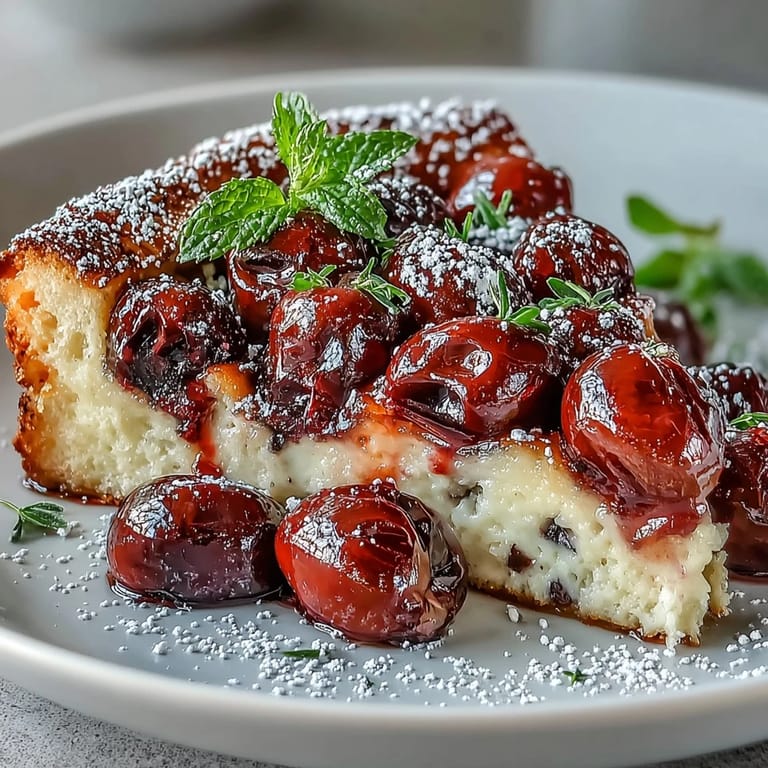
- Offer slices warm or at room temperature. The custard's softness and burst of cherries are just as lovely either way.
 Save
Save 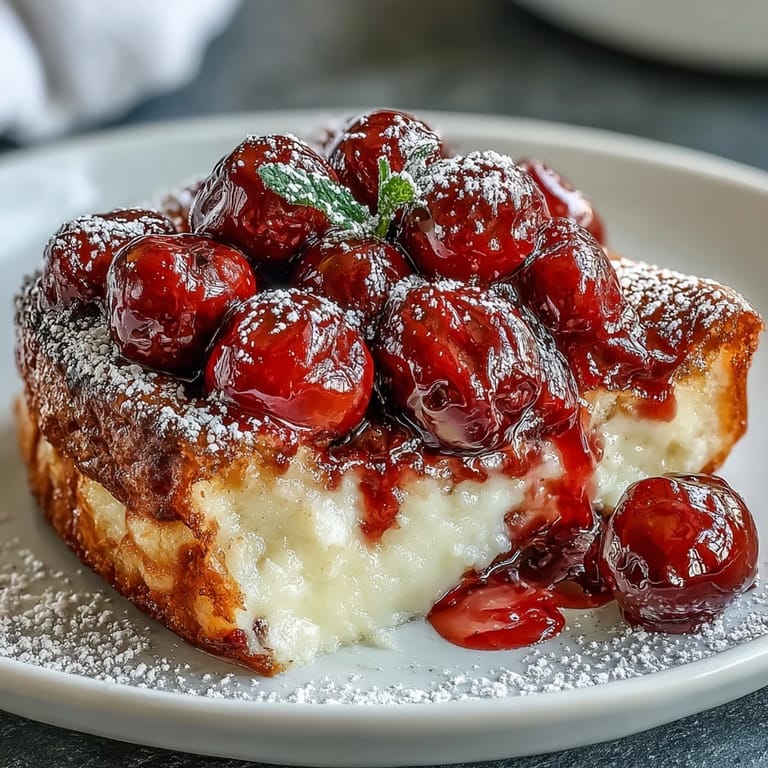 Save
Save Halfway through a rainy afternoon, I baked clafoutis just for myself, perched by the window with a fork and a book. That solitary treat—paired only with the muffled patter of rain—turned into a much-loved ritual for slowing down and savoring the moment.
Cherry-Related Swaps and Surprises
The first time I ran out of cherries, swapping in ripe plums turned out to be a revelation—their tang gave the custard a new twist. You can use just about any stone fruit here, or even a combo if you're feeling daring. The key is picking juicy, in-season fruit for the sweetest result. If you're a traditionalist at heart, baking with unpitted cherries is said to give a hint of almond essence—just warn your guests about the pits. Don't be afraid to experiment—clafoutis is forgiving, as all good summer desserts should be.
Best Ways to Serve and Enjoy
For gatherings, clafoutis needs little more than a dusting of sugar, but humble accompaniments shine—a dollop of crème fraîche or vanilla ice cream, perhaps. Sometimes I’ll serve it with coffee in the cool of morning, other times with a splash of Sauternes on a balmy night. The magic is in the contrast: warm fruit against cold cream, a hint of bitterness from espresso balancing the sweetness. Even leftovers (if they appear at all) taste wonderful straight from the fridge. You’ll soon find yourself hoping for a reason to bake one, just for the joy of sharing.
Troubleshooting and Helpful Reminders
There have been times I worried the batter was too runny or the cherries too juicy, but clafoutis always rewards patience. If the top browns a touch too quickly, cover loosely with foil for the last ten minutes—this keeps the texture dreamy not dry. Scraping real vanilla bean takes a moment but is worth it each time. Stirring slowly will prevent unwanted flour pockets, so don’t rush c’est important.
- Let the dish cool enough for slices to keep their shape.
- Use the freshest fruit you can find—it makes all the difference.
- Keep a sifter handy for that final, generous snowfall of powdered sugar.
 Save
Save  Save
Save There’s a certain magic to a dessert that brings together friends, fresh fruit, and just a whisper of French elegance. I hope your clafoutis moments are every bit as sweet and effortless as mine have been.
Recipe FAQs
- → Can I leave the cherries unpitted?
Yes. Leaving pits gives a slightly almond-like note and is traditional. For easier eating, pit the cherries first—either way the fruit releases juices that gently perfume the custard.
- → Can I use frozen cherries instead of fresh?
Frozen cherries work well if thawed and drained to remove excess liquid. Pat them dry before arranging in the dish to avoid a too-wet custard and reduce baking time monitoring.
- → How do I know when it’s done baking?
The clafoutis should be puffed, lightly golden at the edges and just set in the center—there may be a slight wobble but no raw batter. It will deflate a bit as it cools.
- → What size and type of pan is best?
A 24 cm (9–10 inch) round baking dish or pie dish gives the classic thin, custardy texture. Use a shallow ovenproof dish for even baking and a pleasing puff.
- → Can I swap dairy or flour for alternatives?
You can try plant-based milks and a neutral oil in place of cream and butter, but texture will be lighter and less rich. Gluten-free flour blends can be used, though the custard may be slightly denser.
- → How should leftovers be stored and reheated?
Cover and refrigerate for up to 2–3 days. Rewarm gently in a low oven (around 150°C / 300°F) for 8–12 minutes or serve chilled at room temperature—the texture holds up well.