 Save
Save My neighbor showed up at my door one afternoon with a mesh bag of guavas, her hands stained deep pink from handling them. She'd grown tired of them dropping off her tree faster than she could eat them fresh, and instead of letting them go to waste, she wanted to make preserves. We spent the afternoon in my kitchen, the air thick with their floral sweetness, learning that this wasn't just about cooking fruit down—it was about patience, timing, and that magical moment when everything shifts from syrup to something spreadable and real.
I brought a jar to my book club last month, and someone actually paused mid-conversation to ask what I'd done to make guava jam taste like this. That moment of quiet appreciation, where people stop talking because their mouth is too busy enjoying something, reminded me why I keep making it.
Ingredients
- Ripe guavas (1.5 kg, about 10–12 medium): The ripeness matters here—they should yield slightly to pressure and smell deeply fragrant, not hard and green. I learned the hard way that underripe guavas make preserves that taste faintly bitter and refuse to set properly.
- Granulated sugar (700 g): This is your preservative and your sweetener, working together to draw moisture from the fruit and create that amber thickness you're after. Don't skip it or reduce it too much—it's not just about taste.
- Fresh lemon juice (2 tablespoons): A small amount cuts through the richness and brightens the tropical flavor, plus it helps with setting by activating the natural pectin in the guavas.
- Water (1 cup): This starts the cooking process and keeps the fruit from sticking before enough liquid releases from the guavas themselves.
Tired of Takeout? 🥡
Get 10 meals you can make faster than delivery arrives. Seriously.
One email. No spam. Unsubscribe anytime.
Instructions
- Prepare Your Guavas:
- Wash them under cool water and cut into quarters—you'll notice the soft pink or white flesh immediately. Use a spoon to scoop out the seeds, which can be tedious but worth it; save every scrap of that flesh clinging to the skin.
- Cook the Fruit Down:
- Drop the guava flesh into a large saucepan with water and let it come to a boil, then lower the heat to medium and let it simmer for 15 to 20 minutes until the pieces collapse easily when pressed. The kitchen will smell almost floral at this point, and the color will deepen from pale pink to something richer.
- Mash or Blend:
- Use a potato masher for a slightly textured preserve, or give it a quick blend if you prefer something completely smooth. Either way, you're breaking down the remaining structure of the fruit.
- Sieve for Smoothness:
- Push the mashed fruit through a fine sieve or food mill to catch any lingering seeds and achieve that silky texture that feels luxurious on your tongue. This step takes patience—don't rush it or you'll spend ten minutes later fishing out seeds from your finished jam.
- Add Sugar and Acid:
- Stir the sugar and lemon juice into your guava pulp until everything dissolves and mingles into a cohesive mixture. The smell shifts at this point—less fresh fruit, more like something being transformed into something else.
- Bring to a Rolling Boil:
- Increase the heat to medium-high and stir constantly as the mixture heats, scraping the bottom of the pan to prevent sticking and scorching. Watch for it to reach a proper rolling boil where bubbles break the surface continuously.
- Simmer Until It Sets:
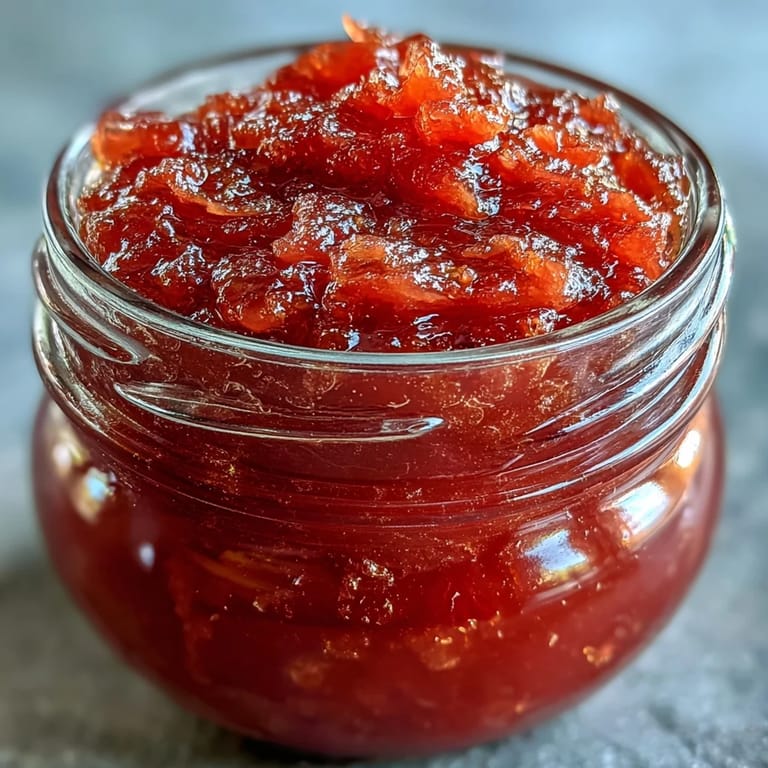
- Lower the heat to medium and keep stirring frequently for 35 to 45 minutes, watching as the color deepens and the mixture thickens noticeably. The real test is placing a small spoonful on a chilled plate—if it wrinkles when you push it with your finger, you're done; if it flows, it needs more time.
- Skim and Jar:
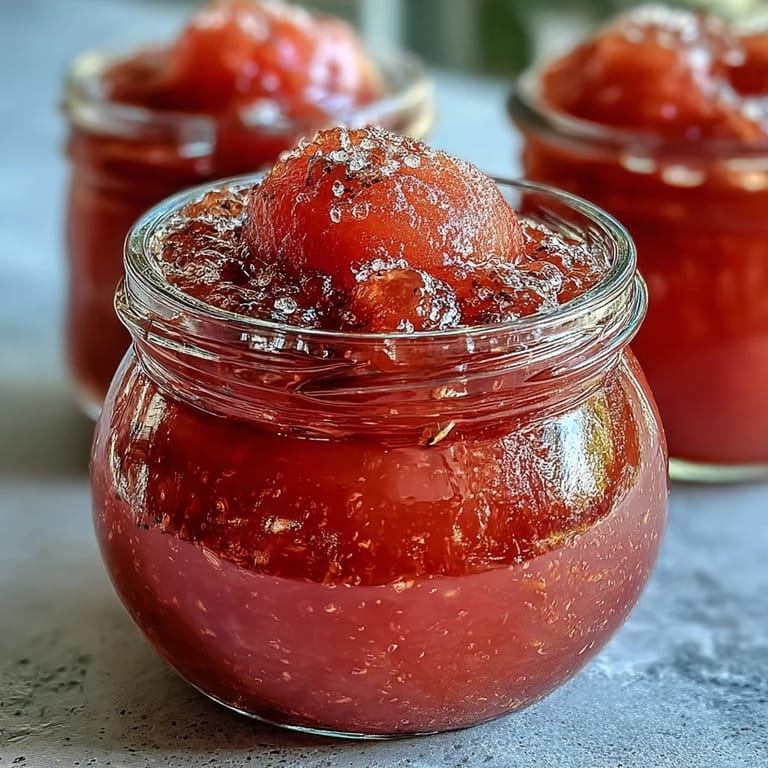
- Skim away any foam that rises to the surface with a spoon, then carefully ladle the hot preserves into sterilized jars, leaving a half-centimeter of headspace before sealing. They'll seal with a satisfying pop as they cool.
 Save
Save My daughter asked me recently why homemade jam tastes different than store-bought, and I realized it's because you can taste the time and attention in it. There's something about standing at a stove for an hour, watching fruit transform, that puts you directly into what you're eating.
Storage and Shelf Life
Refrigerated, this keeps for about three months, though I've never had a jar last that long. If you want longer storage, you can process the sealed jars in a boiling water bath for 10 minutes—this creates a proper preserve that stays stable in the pantry for a year or more. The choice depends on how confident you feel and whether you're making this for your own kitchen or as gifts.
Serving Suggestions and Pairings
This preserve shines in different contexts depending on your mood. On buttered toast it's straightforward comfort, on a cheese board it becomes an elegant accent that makes sharp aged cheeses sing. I've also swirled it into plain yogurt, spooned it over vanilla ice cream, and brushed it onto pastry dough before baking because once you've made it, you find reasons to use it everywhere.
Tips for Success and Customization
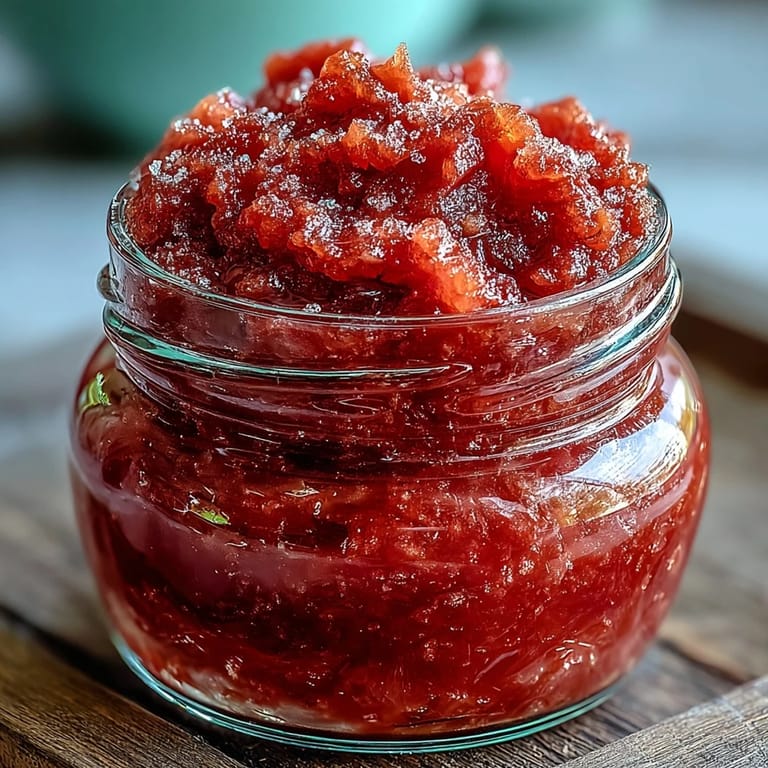
If you prefer a chunkier preserve with actual guava pieces visible, reserve some of the softened fruit before sieving and fold it back in after everything reaches the right thickness—this gives you texture without compromising smoothness. You can also adjust the sugar amount to your taste or substitute part of it with honey for a different flavor profile, though this may affect setting slightly. Some people add a splash of vanilla or a hint of cardamom if they want the preserve to feel more complex.
- Always use truly ripe guavas—they should smell fragrant and give slightly to pressure, not feel hard and woody.
- Keep a wet pastry brush nearby to wipe down the sides of the saucepan occasionally, preventing sugar crystals from forming.
- Let the jars cool completely before moving them, and store them in a cool, dark place where they'll develop deeper flavor over time.
 Save
Save Making guava preserves turned out to be less about following instructions and more about learning a rhythm that my hands remember now. That first batch my neighbor and I made together still tastes like an afternoon well spent.
Recipe FAQs
- → How long do guava preserves last?
Properly sealed and refrigerated, guava preserves stay fresh for up to 3 months. For longer storage, process jars in a boiling water bath to create a shelf-stable seal that lasts 12-18 months in a cool, dark pantry.
- → Can I use frozen guavas?
Frozen guavas work beautifully for preserves. Thaw completely before cooking, and note that frozen fruit may release more water during cooking, potentially extending simmering time slightly to reach the desired thickness.
- → What's the difference between preserves and jam?
Preserves typically contain chunks of fruit suspended in syrup, while jam uses crushed or pureed fruit for a more uniform consistency. This guava preserve can be made smoother by sieving thoroughly, or left chunky by folding in reserved fruit pieces.
- → How do I know when the preserves are done?
The chilled plate test is reliable: place a small spoonful on a plate in the freezer for 2 minutes. Push the cooled preserves with your finger—if the surface wrinkles, they're ready. The mixture should also coat a spoon and sheet off rather than drip.
- → Can I reduce the sugar?
Sugar acts as both sweetener and preservative, helping achieve proper gel consistency. Reducing sugar slightly (up to 25%) is possible, though the preserves may be thinner and have a shorter shelf life. For best results, follow the recommended ratio.
- → What pairs well with guava preserves?
Guava preserves shine with sharp cheeses like aged cheddar or creamy varieties like brie. Spread on crusty bread, swirl into yogurt, use as a filling for thumbprint cookies, or glaze roasted meats. The tropical sweetness also complements tropical fruits like pineapple and mango.