 Save
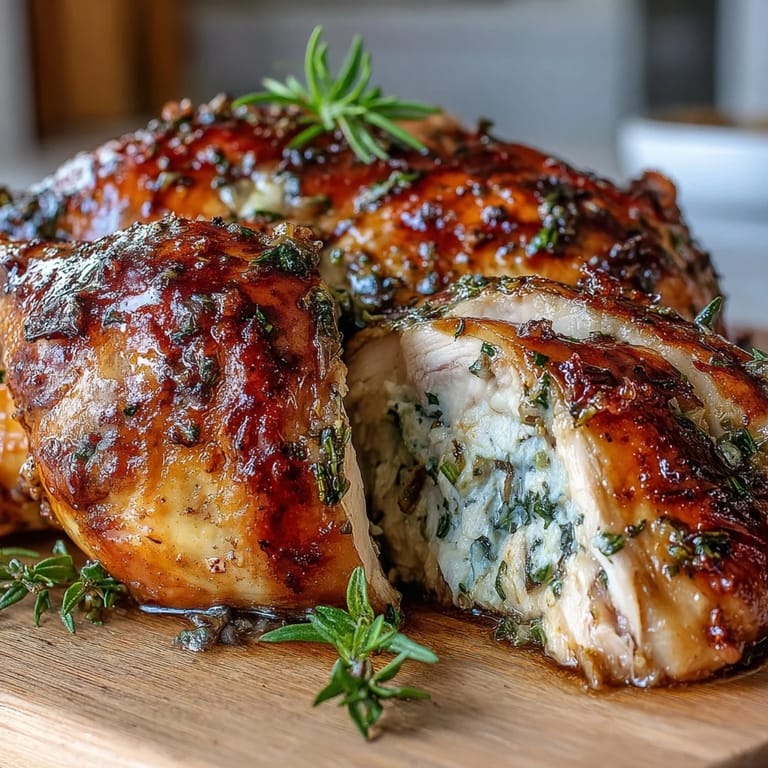
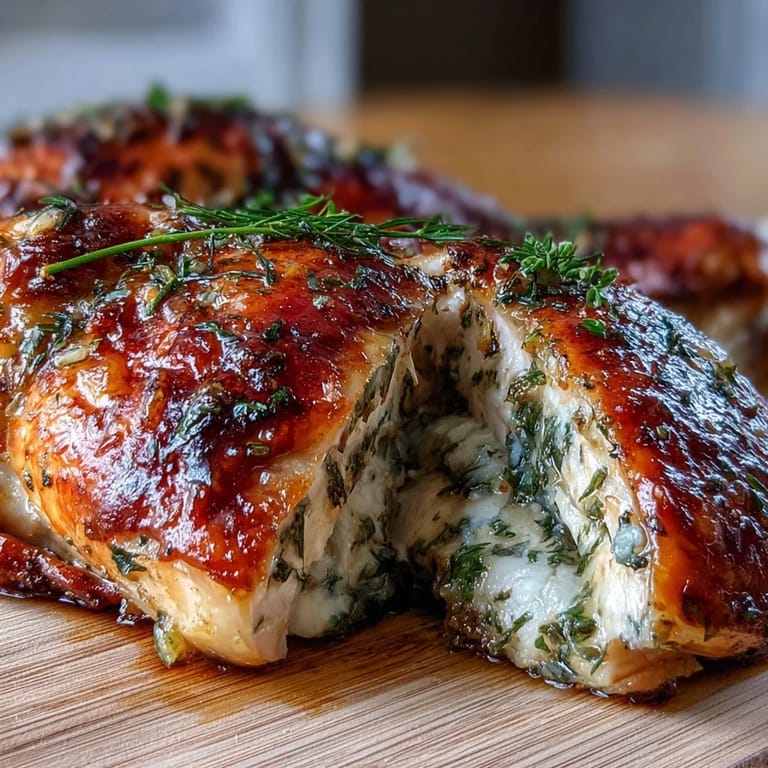
Save The aroma of fresh herbs and sizzling butter can make any kitchen feel like a tucked-away French countryside inn. When I first made herb butter roast chicken, I was captivated by the way the scents mingled and seemed to draw people toward the oven before the timer even rang. The golden skin and the pop of preserved lemon were unlike anything I’d tried before – bright, savory, and outrageously tempting. There was both anticipation and a hint of nervousness as I waited to carve into it. That first slice revealed the juiciest meat I’d ever managed with a roast chicken.
I once roasted this chicken on a rainy Sunday, and my family hovered nearby, noses twitching as the savory smell filled the house. My sister kept sneaking into the kitchen asking how much longer, drawn in by the golden hue forming on the crispy skin. I remember the smallest squabble over the last wing, laughter echoing as even the pickiest eater asked for seconds. It was the kind of meal that made everyone linger at the table a little longer. That day, it turned an ordinary afternoon into something memorable.
Ingredients
- Unsalted butter: Choose good-quality butter for richness; let it come fully to room temperature so herbs blend easily.
- Fresh parsley: Delivers brightness and color; chop at the very last minute to keep flavors vivid.
- Fresh thyme: Brings earthiness; strip the leaves from stems for even texture in the butter.
- Fresh rosemary: A little goes a long way for woody aroma; mince very finely to avoid tough bits.
- Garlic cloves: Use a garlic press or mince well to prevent sharp bites in the herb butter.
- Preserved lemon (rind): Provides a subtle, tangy punch; rinse and finely dice before mixing into butter.
- Sea salt: Enhances the flavors, both in the butter and as a finishing touch on the bird.
- Freshly ground black pepper: Adds gentle heat; fresh grinding right before mixing makes a difference.
- Whole chicken: Opt for a plump bird 1.5–1.8 kg; pat it dry for extra-crispy skin.
- Preserved lemon (quarters): Infuses from inside, making every bite aromatic.
- Small onion: Mild sweetness for the cavity aromatics and roasting bed.
- Small lemon: The halved lemon steams gently inside and keeps white meat juicy.
- Olive oil: For that glistening golden skin as it roasts; don’t skip the final drizzle.
- Herb sprigs (thyme, rosemary, parsley): Fresh sprigs perfume the meat from inside – pack in as much as fits.
- Carrots: These caramelize beneath the chicken, doubling as a simple side.
- Celery stalks: Add savory depth to the roasting juices.
- Onion (for pan): Wedges soften and sweeten beautifully; scatter loosely under the bird.
- Dry white wine or chicken broth: Deglazes the pan and makes flavorful juices for serving.
Tired of Takeout? 🥡
Get 10 meals you can make faster than delivery arrives. Seriously.
One email. No spam. Unsubscribe anytime.
Instructions
- Get ready and preheat:
- Preheat the oven to 220°C (425°F) so it’s piping hot when the chicken goes in and starts browning right away.
- Make the herb butter:
- Mix the softened butter with parsley, thyme, rosemary, garlic, preserved lemon rind, salt, and pepper until you have a fragrant, bright green spread.
- Dress the chicken:
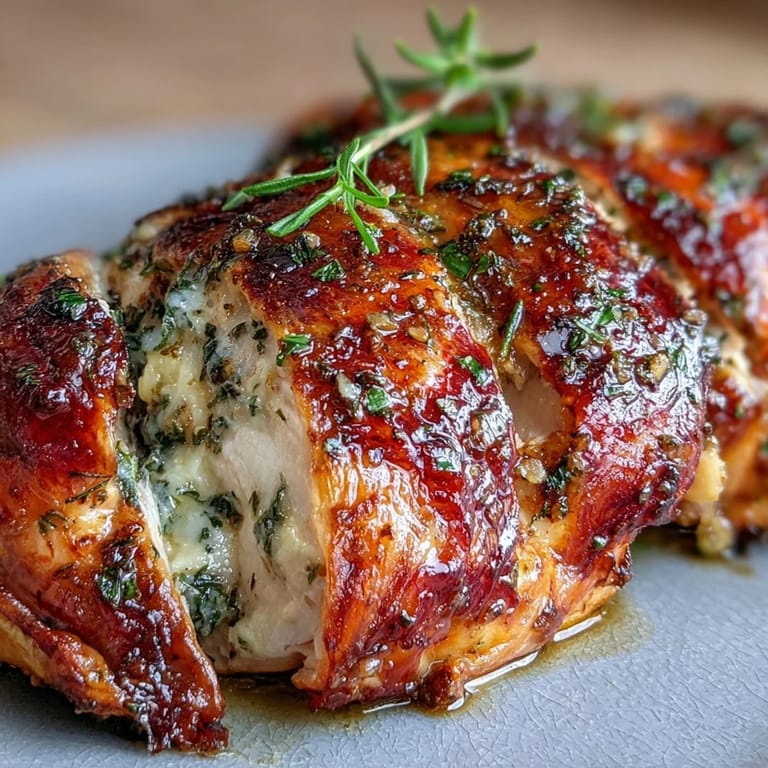
- Slip your fingers under the chicken skin to gently loosen it over the breasts and thighs, then spread two-thirds of the herb butter underneath—massage it well for flavor in every bite, and rub the rest over the skin for that crispy finish.
- Stuff with aromatics:
- Fill the cavity with preserved lemon quarters, onion, lemon halves, and herb sprigs so the steam carries their aroma into the meat.
- Tie and position:
- Using kitchen twine, tie the legs together and tuck the wings under the back—this helps the chicken cook evenly and look tidy.
- Prepare the roasting bed:
- Scatter carrots, celery, and onion in the base of your roasting pan, then pour in wine or broth—this keeps the pan juices from burning and gives your vegetables a roast chicken bath.
- Final seasoning:
- Drizzle olive oil generously over the skin, sprinkle with salt and pepper so the flavor really clings, and set the chicken breast-side up on the vegetables.
- Roast in two stages:
- Roast for 20 minutes at high heat, then lower to 180°C (350°F) and continue for about 1 hour, basting with those golden drippings every so often, until the juices run clear and a thermometer reads 75°C (165°F).
- Rest and serve:
- Let the chicken rest loosely covered with foil for 15 minutes so the juices settle, then carve and serve with the pan veggies and buttery juices spooned on top.
 Save
Save The best moment with this dish might be hearing the crisp of the first piece separating from the bone and seeing wide, greedy grins around the table. It’s not just dinner—there’s a sense of celebration when the platter appears, golden and steaming, and everyone leans in to snag their favorite piece.
Making the Most of Every Drip of Pan Juice
After carving, don’t skip the drizzle of that herby, tangy juice lurking at the bottom of the pan—it brings together all those flavors and keeps leftovers deliciously moist. If anything pools underneath, I spoon a little over sides like potatoes or even crusty bread, so nothing goes to waste.
Shortcuts for Busy Weeknights
On nights when time’s tight, I’ve swapped the whole preserved lemon for fresh zest and used pre-chopped herbs—they still pack a punch, and cleanup’s a breeze. Even if you just rub the herb butter all over and skip under the skin, the bird comes out aromatic and golden.
Serving Suggestions That Never Fail
I like to serve this with simple roast potatoes and maybe wilted greens tossed with lemon juice, letting the chicken really shine as the centerpiece. A crisp white like Chardonnay or Sauvignon Blanc amplifies all the fresh flavors.
- Let everyone pour pan juices at the table for an interactive twist.
- If you have leftovers, shred the chicken over salad with a little of that herby jus.
- The pan veggies make an instant bonus side—don’t leave them behind.
 Save
Save Making this roast chicken always feels like inviting warmth into a chilly evening. I hope it brings as much comfort to your home as it does to mine.
Recipe FAQs
- → How do I get extra‑crispy skin?
Thoroughly pat the bird dry before applying butter, rub some butter on the outside as well as under the skin, and start roasting at a high temperature (220°C) for the first 20 minutes to render fat. Finish at a moderate temperature and let the chicken rest uncovered briefly to keep the skin crisp.
- → Can I swap preserved lemon for fresh lemon?
Yes—use finely grated lemon zest and a touch of juice to mimic brightness. Preserved lemon rind adds fermented tang; if you swap, consider a pinch of salt and a little extra zest to compensate.
- → How can I tell when the bird is done?
Insert an instant‑read thermometer into the thickest part of the thigh without touching bone; it should read 75°C (165°F). Juices should run clear and the legs should move easily at the joint. Allow a 15‑minute rest for carryover cooking and juicier meat.
- → Is it okay to make the herb butter ahead of time?
Absolutely. Herb butter can be mixed and chilled up to 48 hours ahead; bring it closer to room temperature before spreading. For longer storage, freeze in a log and slice portions as needed.
- → What vegetables work best in the roasting pan?
Carrots, celery and onion provide a sturdy bed that lifts the bird and flavors pan juices. Larger chunks roast evenly and absorb juices; add potatoes if you want a heartier side that roasts alongside the chicken.
- → How should leftovers be stored and reheated?
Cool within two hours, refrigerate in an airtight container for up to 3 days. Reheat gently in a 160°C oven covered with foil to keep meat moist, then uncover briefly to revive the skin crispness. Use pan juices or a splash of stock to prevent drying.