 Save
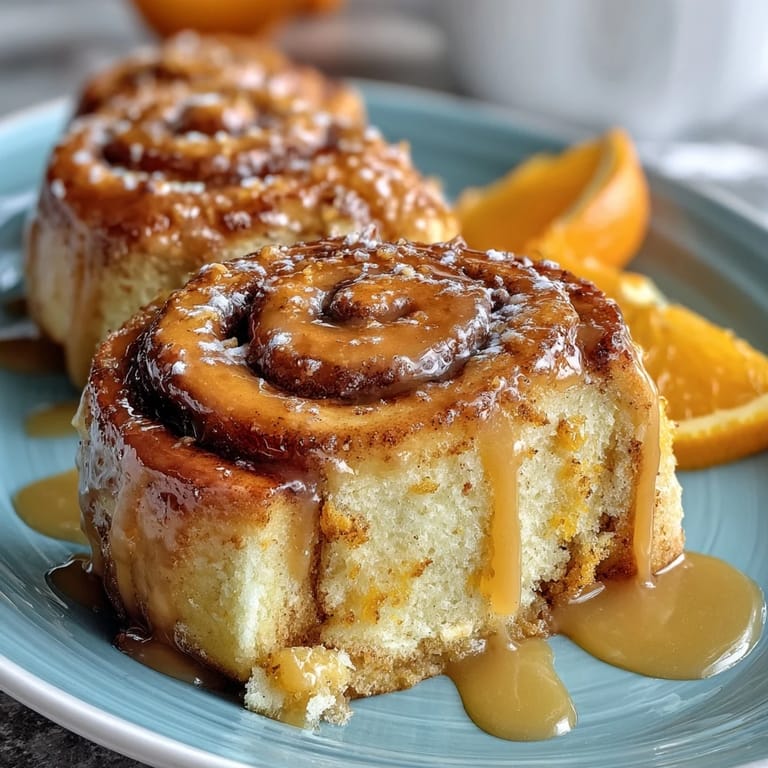
Save The first time I made orange rolls, it was purely by accident. I'd been craving cinnamon rolls on a grey afternoon, but when I opened my spice cabinet, I found nothing but a container of orange zest I'd frozen weeks earlier from a farmers market haul. Rather than abandon the idea, I decided to lean into it, and what emerged from the oven was something brighter, more unexpected, and somehow more memorable than what I'd originally planned. The kitchen filled with this warm citrus perfume that made everyone pause mid-conversation.
I brought these to a friend's birthday brunch last spring, unsure if the orange would be too adventurous for morning food. Instead, people came back for thirds, and someone asked if I'd bottled the smell somehow. That's when I realized these rolls do something special: they make ordinary people feel like they're sitting at a fancy bakery, except they're in someone's dining room with chipped mugs and running late for things.
Ingredients
- All-purpose flour (3 1/4 cups): The foundation that needs patience; this amount creates the right structure without becoming dense or tough.
- Active dry yeast (2 1/4 tsp): That foamy bloom in the warm milk tells you everything is waking up properly, so don't skip the visual check.
- Whole milk and fresh orange juice: Together they create a dough that's tender and actually tastes like something real, not just flour shaped into a roll.
- Orange zest (3 tbsp total): This is where the magic happens; the oils in fresh zest give brightness that extract can never quite achieve, so zest it right before using if you can.
- Unsalted butter (1/2 cup across the recipe): Cold or warm depending on where it's used, it's the difference between dry rolls and rolls that feel like a small luxury.
- Cream cheese (4 oz): Room temperature is non-negotiable here; cold cream cheese will be lumpy and refuse to blend smoothly with the butter.
- Powdered sugar (1 1/4 cups): Sifted beforehand makes the frosting silky rather than grainy, a small step that changes everything.
Tired of Takeout? 🥡
Get 10 meals you can make faster than delivery arrives. Seriously.
One email. No spam. Unsubscribe anytime.
Instructions
- Wake up the yeast:
- Pour warm milk and fresh orange juice into a bowl with sugar and yeast, then wait. Within minutes you'll see it foam up like a tiny edible science experiment, signaling that your dough is ready to come alive.
- Build the dough:
- Add melted butter, zest, eggs, and salt to that foamy mixture, then gradually incorporate flour until you have a soft, slightly sticky dough that pulls away from the bowl. Knead for eight to ten minutes until it transforms into something smooth and elastic.
- Let it rise:
- Cover the greased bowl and find a warm spot (the top of your refrigerator works, or near a sunny window). Watch for it to double in size, which usually takes about an hour but can be faster in summer.
- Prepare the filling:
- Mix granulated sugar with fresh orange zest in a small bowl and let it sit for a moment; the zest oils will infuse the sugar, making it fragrant and alive.
- Roll and fill:
- Press down the risen dough and roll it into a rectangle about 16 by 10 inches, then spread softened butter across the entire surface and scatter that orange-scented sugar evenly. Roll it up tightly from the long side, as if you're creating something precious.
- Cut and arrange:
- A sharp knife or even dental floss will cut through the log without squishing the dough. You'll have twelve rolls, which fit perfectly in a standard baking dish in three rows of four.
- Second rise:
- Cover the rolls and let them puff up again for thirty to forty minutes; they'll look pillowy and soft, ready to transform into something golden.
- Bake with intention:
- At 350 degrees Fahrenheit, they'll take twenty-two to twenty-five minutes until the tops turn golden brown and the edges feel set but the centers still give slightly when pressed.
- Make the frosting:
- While they bake, beat softened cream cheese and butter together until completely smooth, then add sifted powdered sugar, fresh orange juice, zest, vanilla, and salt. The frosting should be creamy and spreadable but not runny.
- Finish warm:
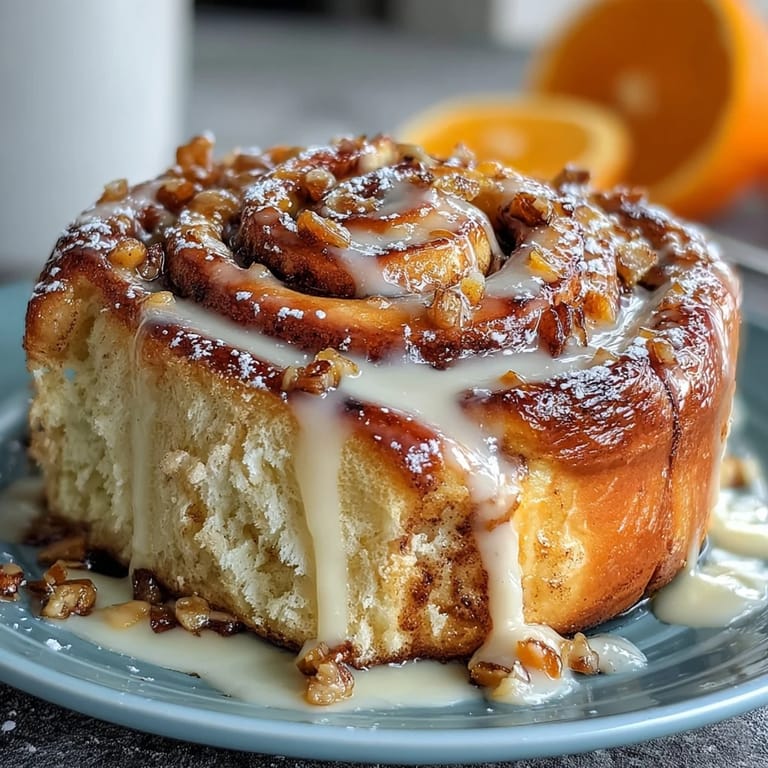
- Let the rolls cool for just ten minutes, then spread the frosting generously across them while they're still warm enough to accept it fully.
 Save
Save There's a particular moment when someone takes a bite of these rolls and closes their eyes for just a second. It's not dramatic or performative; it's genuine surprise at finding something this bright and this comforting in a single roll. That moment reminds me why baking is worth the time.
Why Fresh Citrus Changes Everything
Using fresh orange juice and zest instead of extracts creates an actual flavor, not a chemical approximation. The first time I tested a version with orange extract, the frosting tasted medicinal and strange, like someone had added cough syrup. When I switched back to fresh ingredients, everything suddenly tasted like something people wanted to eat. If you can only use bottled juice, add an extra half teaspoon of fresh zest to compensate.
The Overnight Preparation Advantage
These rolls can be shaped the night before, covered, and refrigerated, then brought to room temperature in the morning for their final rise. This approach means you can have fresh, warm rolls for breakfast without waking up at five in the morning. I've done this for weekend guests, and the rolls actually taste slightly better because the flavors develop overnight in the cold.
Pairing and Serving Suggestions
These rolls taste best eaten warm with something to drink that complements rather than competes with the citrus. Earl Grey tea is the natural pairing because the bergamot echoes the orange, while fresh-squeezed orange juice or even sparkling water with fresh mint works beautifully. Serve them on a simple plate, because fancy presentation isn't necessary when the rolls themselves are already special.
- A cup of strong black tea cuts through the sweetness and makes each bite feel balanced.
- If making these for a crowd, prepare the frosting just before serving so it stays creamy and spreadable.
- Leftover rolls keep in an airtight container for two days and taste nearly as good when gently warmed.
 Save
Save These orange rolls have become something I make when I want to turn an ordinary morning into something memorable. They're worth the time and the small attention they require.
Recipe FAQs
- → How can I make the rolls more citrusy?
Add a few drops of orange extract to the frosting or increase the orange zest in the filling for a more pronounced citrus flavor.
- → What is the best way to roll and cut the dough evenly?
Roll the dough into a 16x10-inch rectangle, then use dental floss or a sharp knife to slice the log into even portions for uniform rolls.
- → Can I prepare the dough in advance?
Yes, after shaping the rolls you can refrigerate them overnight. Before baking, let them rise at room temperature until puffy.
- → How do I achieve a soft texture in these rolls?
Knead the dough until smooth and elastic and allow it to rise twice to develop lightness and fluffiness.
- → What pairs well with these orange rolls?
A cup of Earl Grey tea or a glass of fresh orange juice complements the bright citrus flavors perfectly.