 Save
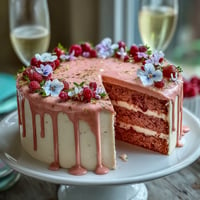
Save There's something about spring that makes you want to bake something delicate, and this cake arrived in my kitchen almost by accident. A friend brought over a small bundle of pressed violets she'd been saving, and suddenly I was scrambling through recipe books thinking about how to use them. The result was this vanilla cake with whipped cream—nothing fussy, nothing complicated, just a framework for those tiny purple flowers to shine. It's become my go-to for garden parties and those moments when you want dessert that feels like it belongs in springtime.
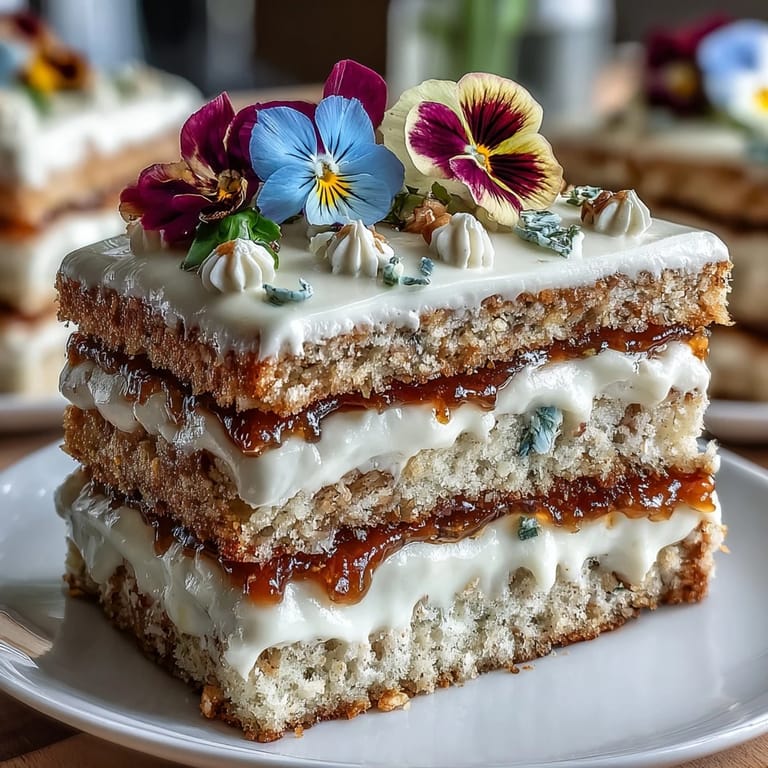
I'll never forget bringing this cake to my neighbor's birthday brunch last May, watching her face when she saw those pressed pansies arranged across the top. She wanted to know if I'd taken a pastry course, and I had to laugh—all it took was reading the back of a flower pressing book and actually following through. That afternoon taught me that sometimes the most impressive desserts come from just pairing simple ingredients with a bit of intention.
Ingredients
- All-purpose flour: Sifting this with the baking powder and salt is the small step that prevents lumps and ensures your cake rises evenly, something I learned after one notably dense attempt.
- Unsalted butter and granulated sugar: Creaming these together for those full 3 to 4 minutes isn't just technique—it's where air gets trapped, making your cake light enough to feel like eating a cloud.
- Room temperature eggs: Cold eggs won't incorporate properly, and your batter will look broken; let them sit on the counter while you prep everything else.
- Pure vanilla extract: The real stuff matters here since vanilla is one of only three or four flavors carrying the whole cake.
- Whole milk: The slight richness helps, but honestly it's the temperature that counts—cold milk will seize your batter, so let it warm up first.
- Heavy whipping cream: Make sure it's truly cold, even chill your bowl beforehand; warm cream will never whip to those stiff peaks.
- Powdered sugar for frosting: This dissolves into the cream faster than granulated sugar, keeping your frosting smooth rather than grainy.
- Pressed edible flowers: These are the entire reason to make this cake, so source them carefully—they must be organically grown and pesticide-free, pressed flat between parchment and heavy books for at least a full day.
Tired of Takeout? 🥡
Get 10 meals you can make faster than delivery arrives. Seriously.
One email. No spam. Unsubscribe anytime.
Instructions
- Set your stage:
- Preheat the oven to 350°F and grease those cake pans thoroughly, then line them with parchment—this step saves you from the heartbreak of a stuck cake. Having everything ready before you begin mixing is the difference between a calm baking afternoon and one where you're scrambling.
- Build your dry ingredients:
- Sift your flour with the baking powder and salt into a bowl and set it aside; this takes maybe two minutes but prevents lumps from sabotaging your batter later.
- Cream the butter and sugar:
- In a large mixing bowl, beat the softened butter and granulated sugar together until it's light, fluffy, and pale—this takes closer to four minutes if you're doing it by hand. You'll know it's right when it looks almost mousse-like.
- Add eggs one at a time:
- Beat each egg in fully before adding the next; this slow approach lets each one incorporate properly rather than curdling the mixture. Then stir in your vanilla extract.
- Alternate and combine:
- Add your flour mixture in three parts, alternating with the milk and starting and ending with flour—this is the old-fashioned method that keeps the batter from getting tough. Stir just until combined; overmixing develops gluten, which makes cake dense and chewy.
- Fill and bake:
- Divide the batter evenly between your prepared pans and smooth the tops gently. Bake for 30 to 35 minutes until a toothpick inserted in the center comes out clean—don't rely on just the time, always test.
- Cool with patience:
- Let the cakes cool in their pans for about 10 minutes (they'll firm up enough to handle), then turn them out onto wire racks to cool completely. Frosting a warm cake is an exercise in frustration, so wait until they're truly cool to the touch.
- Whip your cream:
- While cakes cool, pour cold heavy cream into a chilled bowl and beat it with the powdered sugar and vanilla until stiff peaks form. This frosting is delicate and best used the same day you make it.
- Layer and frost:
- Place one cake layer on your serving plate, spread a generous layer of whipped cream across it, then set the second layer on top. Frost the top and sides with remaining frosting, using an offset spatula if you have one.
- Press the flowers:
- Gently press your pressed edible flowers onto the frosting—they'll stick slightly and look intentional rather than scattered. Add fresh mint leaves if you're drawn to that touch of green.
- Chill before serving:
- Give the finished cake at least 30 minutes in the refrigerator so the frosting sets and the flowers settle into place. This also makes it easier to slice cleanly.
 Save
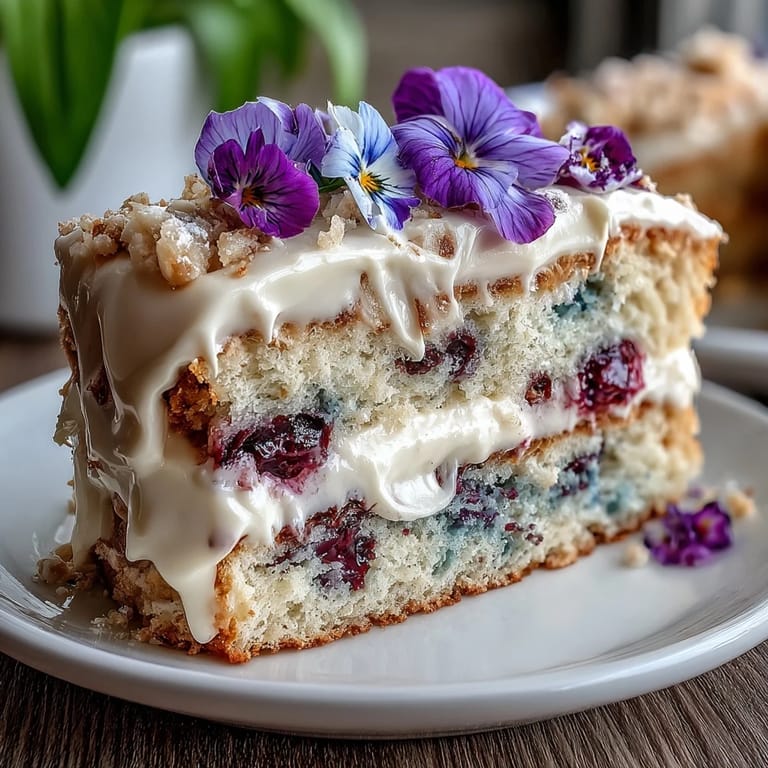
Save The real magic happened the day I realized those pressed flowers weren't just decoration—they were a conversation starter, a way of telling people this cake came from intention and care. Watching someone notice a tiny violet petal and suddenly pay real attention to dessert reminded me why we bake things that aren't just functional.
Choosing and Pressing Your Flowers
The flowers are the whole point, so take this part seriously. Violets, pansies, nasturtiums, rose petals, and chamomile all work beautifully and press without too much fussing, but they must come from an organic source with no pesticide sprays. I've learned to ask gardener friends directly rather than trust vague labels at farmers markets, and I keep a running list of blooms I can actually source locally. Pressing them is absurdly simple—lay them flat between parchment paper, stack some heavy books on top, and wait at least 24 hours in a dry spot.
The Frosting Window
This whipped cream frosting is more delicate than buttercream, which means timing and temperature are everything. I've learned to assemble the cake as close to serving time as possible, ideally no more than a few hours before guests arrive, because warm rooms will soften it in ways that make slicing impossible. A helpful trick I picked up is to do a light crumb coat, chill it solid for 15 minutes, then add your final frosting layer—it creates an anchor for those pressed flowers and prevents them from sinking.
Variations and Flavor Twists
The plain vanilla cake is a canvas, and I've adjusted it countless times depending on the season and what's available. Lemon zest stirred into the batter adds brightness and pairs perfectly with pansies, while I once added a touch of almond extract and it made the whole thing feel almost Scandinavian. You could dust the final frosting with a whisper of edible glitter if you're feeling celebratory, or add a thin layer of lemon curd between the cake and cream for tanginess.
- Lemon zest brightens the cake and echoes the flavor of certain flowers like chamomile.
- Chilling the finished cake for several hours actually improves the texture and makes it easier to slice.
- Store leftover cake in an airtight container in the refrigerator for up to two days—the frosting keeps things moist.
 Save
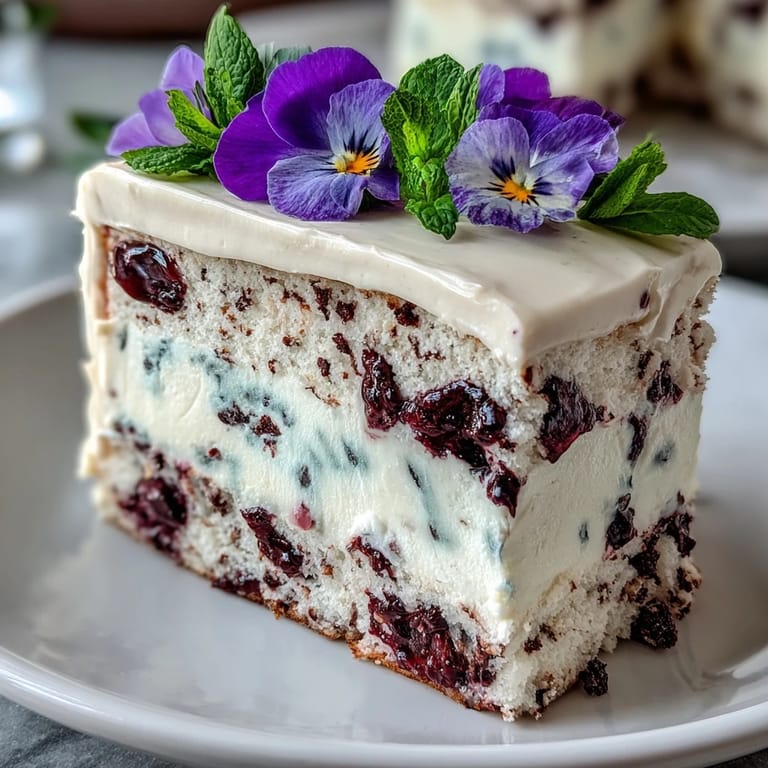
Save This cake has become my answer to the question of what to bring when you want to seem thoughtful without spending all day in the kitchen. It's a cake that tastes as gentle as it looks, and somehow those tiny pressed flowers make people feel seen.
Recipe FAQs
- → How do I press edible flowers for decoration?
Press fresh edible flowers between parchment paper and heavy books for at least 24 hours to preserve color and texture before use.
- → Can I substitute the heavy cream in the frosting?
Heavy cream is best for stable whipped cream, but chilled coconut cream can be used for a dairy-free alternative, although texture may vary.
- → What is the best way to ensure the cake layers bake evenly?
Grease and line pans properly, avoid overmixing the batter, and bake at 350°F until a toothpick comes out clean for even baking.
- → How long should the cake chill before serving?
Chill the assembled cake for at least 30 minutes to set the frosting and flowers, enhancing flavor and presentation.
- → Are all edible flowers safe to use?
Only use organically grown, unsprayed edible flowers known to be safe, and avoid any unfamiliar varieties to ensure safety.