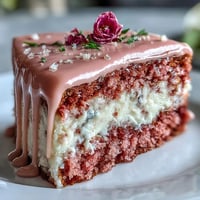
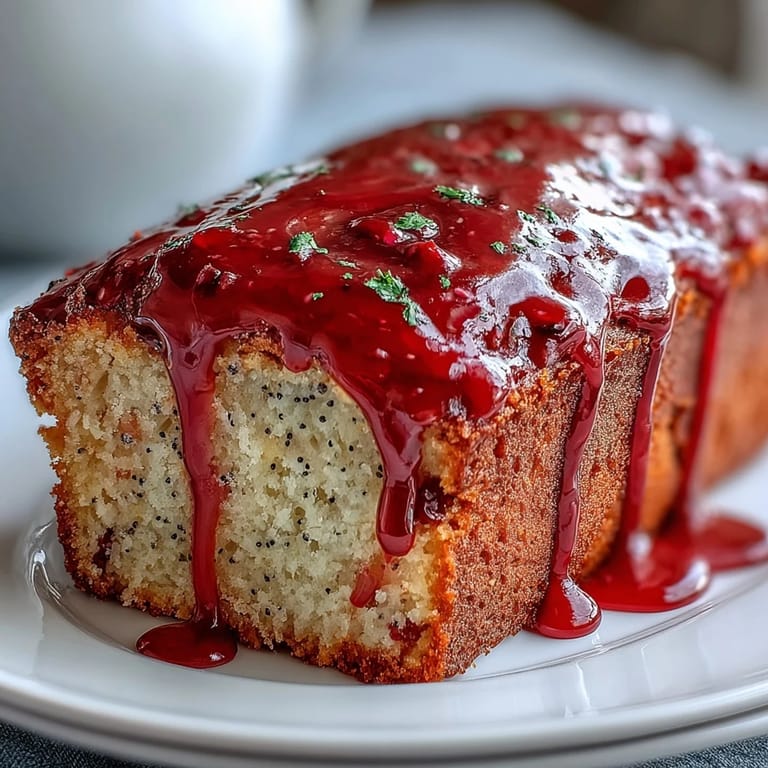
 Save
Save The first blood oranges of the season appeared at the market on a gray February morning, their deep crimson flesh a shock against the dull winter light. I bought six on impulse, drawn by their jewel-like color, and stood in my kitchen wondering what to do with them. The idea of folding marzipan into cake batter came from a half-opened package in my pantry, leftover from Christmas baking. That afternoon, my kitchen smelled like almond blossoms and citrus groves, and I knew I'd stumbled onto something worth repeating.
I baked this for a friend recovering from surgery, someone who needed something bright to look at and gentle to eat. When I delivered it, still warm and glossy with glaze, she sliced into it immediately and laughed at the rosy crumb. We sat by her window with thick slices and chamomile tea, and she told me it tasted like optimism. I've made it a dozen times since, always thinking of that quiet afternoon and the way good cake can say things words cannot.
Ingredients
- All-purpose flour: The foundation that gives this loaf its tender structure without weighing it down—measure by spooning into the cup and leveling, never by scooping directly.
- Baking powder: Provides the gentle lift that keeps the crumb light and springy, essential since there is no other leavening agent here.
- Salt: A small amount sharpens the citrus notes and balances the sweetness from both sugar and marzipan.
- Poppy seeds: They add visual interest and a subtle nutty flavor that complements the almond without competing.
- Unsalted butter: Softened to room temperature, it creams beautifully with sugar and controls the salt level in the finished cake.
- Granulated sugar: Sweetens and helps create air pockets when creamed with butter, contributing to a fine, even crumb.
- Blood orange zest: The aromatic oils in the zest carry intense citrus flavor—zest before juicing and avoid the bitter white pith.
- Large eggs: Bind the batter and add richness, bringing the butter and marzipan together into a cohesive, tender cake.
- Marzipan: Grated finely, it distributes sweet almond pockets throughout the loaf and keeps it moist for days.
- Blood orange juice: Freshly squeezed gives the most vibrant flavor and that signature rosy hue, worth seeking out in winter months.
- Whole milk: Adds richness and helps create a velvety texture that balances the citrus acidity.
- Vanilla extract: A background note that rounds out the flavors without announcing itself.
- Powdered sugar: Dissolves easily into juice to create a smooth, glossy glaze that sets beautifully.
- Blood orange juice for glaze: Use the same fresh juice to reinforce the citrus flavor and deepen the ruby color on top.
Tired of Takeout? 🥡
Get 10 meals you can make faster than delivery arrives. Seriously.
One email. No spam. Unsubscribe anytime.
Instructions
- Prepare Your Pan:
- Preheat your oven to 175°C and grease a 9x5-inch loaf pan generously, then line it with parchment paper so the edges hang over for easy lifting later. This step prevents sticking and ensures a clean release after baking.
- Mix the Dry Ingredients:
- Whisk together flour, baking powder, salt, and poppy seeds in a medium bowl until the seeds are evenly distributed. Set this aside while you work on the wet ingredients.
- Cream Butter and Sugar:
- In a large bowl, beat softened butter, sugar, and blood orange zest together until the mixture turns pale and fluffy, about three minutes. The zest will release its oils into the butter, perfuming the entire batter.
- Add the Eggs:
- Beat in the eggs one at a time, making sure each is fully incorporated before adding the next. This builds a stable emulsion that holds the batter together beautifully.
- Fold in Marzipan:
- Grate the marzipan on the coarse side of a box grater, then fold it gently into the butter mixture until evenly distributed. You will see small flecks of almond paste throughout, which will melt into sweet pockets as it bakes.
- Combine Liquids:
- In a separate bowl, whisk together blood orange juice, milk, and vanilla extract. The juice may look shockingly red, and that is exactly what you want.
- Alternate Wet and Dry:
- Add the dry ingredients to the butter mixture in three parts, alternating with the blood orange mixture, beginning and ending with dry ingredients. Mix just until combined, as overmixing develops gluten and toughens the crumb.
- Fill the Pan:
- Pour the batter into your prepared loaf pan and smooth the top with a spatula. The batter will be thick and slightly pink, studded with poppy seeds.
- Bake Until Golden:
- Bake for 45 to 55 minutes, until a toothpick inserted into the center comes out clean or with just a few moist crumbs. The top should be golden and slightly domed, with a faint crack down the center.
- Cool Completely:
- Let the loaf cool in the pan for 10 minutes, then use the parchment overhang to lift it onto a wire rack. Allow it to cool completely before glazing, as warm cake will cause the glaze to run off.
- Glaze and Serve:
- Whisk powdered sugar with blood orange juice until smooth and pourable, then drizzle it over the cooled cake in generous ribbons. Let the glaze set for 15 minutes before slicing into thick, rosy pieces.
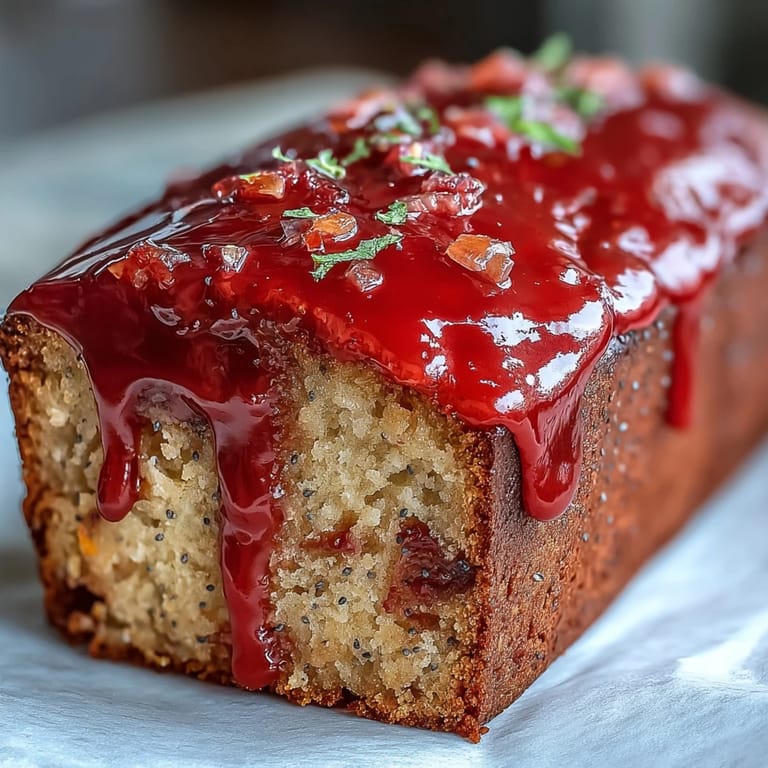 Save
Save I brought this cake to a spring potluck, worried it might seem too plain next to layered desserts and fancy tarts. But by the end of the afternoon, it was gone, and three people asked for the recipe. One woman told me it reminded her of cakes her grandmother made in Vienna, and another said she had never tasted marzipan used this way. Sometimes the simplest things, done with care and good ingredients, speak louder than anything elaborate.
Storing and Keeping Fresh
This loaf keeps beautifully at room temperature in an airtight container for up to three days, growing more moist and flavorful as the blood orange soaks into the crumb. If you live in a warm climate, refrigerate it after the second day, but bring slices to room temperature before serving so the marzipan softens again. I have also frozen individual slices wrapped tightly in plastic and foil, then thawed them overnight for a quick breakfast treat that tastes like it just came out of the oven.
Flavor Variations Worth Trying
A splash of orange liqueur in the glaze transforms this into an elegant dessert for grown-up gatherings, adding a warm, boozy note that lingers on the tongue. You can swap regular oranges or Meyer lemons if blood oranges are out of season, though you will lose that signature blush color. I have also replaced the poppy seeds with finely chopped pistachios for a more textured, nutty crumb, and it was equally wonderful. For a deeper almond flavor, substitute the marzipan with almond paste, though the texture will be slightly denser and richer.
Serving Suggestions
This cake shines at afternoon tea, paired with Earl Grey or a floral white tea that will not overpower the delicate citrus. I have also served it at brunch alongside Greek yogurt and fresh berries, where it feels both indulgent and light. A glass of chilled Prosecco makes it feel celebratory, especially when the glaze is still glossy and the slices are arranged on a vintage cake stand.
- Serve with a dollop of crème fraîche or lightly sweetened mascarpone for extra richness.
- Dust with additional powdered sugar and scatter candied orange peel on top for a bakery-style finish.
- Toast slices lightly and spread with salted butter for a decadent breakfast treat.
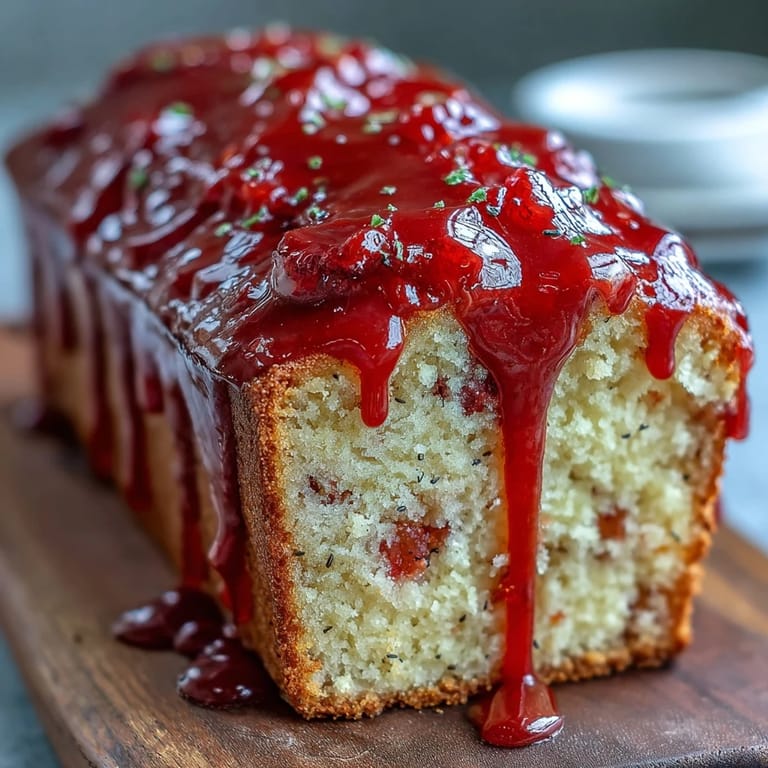 Save
Save Every time I slice into this loaf, I am grateful for those impulse-bought blood oranges and the quiet afternoon that followed. It is the kind of recipe that feels like a gift, both to make and to share.
Recipe FAQs
- → Can I use regular oranges instead of blood oranges?
Yes, you can substitute regular oranges, though you'll lose the distinctive ruby color and slightly berry-like flavor that blood oranges provide. The cake will still be delicious with a classic orange taste.
- → How do I know when the loaf cake is fully baked?
Insert a toothpick or cake tester into the center of the loaf. It should come out clean or with just a few moist crumbs attached. The top should be golden and spring back when lightly pressed.
- → Can I make this cake ahead of time?
Absolutely. This loaf cake actually improves after a day as the flavors meld together. Store it in an airtight container at room temperature for up to 3 days, or freeze for up to 3 months.
- → What can I use if I don't have marzipan?
Almond paste is the closest substitute and will provide a deeper almond flavor. Alternatively, you can add an extra 2 tablespoons of ground almonds and a touch more sugar, though the texture will differ slightly.
- → Why is my glaze too thick or too thin?
Adjust the consistency by adding more powdered sugar to thicken or more blood orange juice to thin. The glaze should be pourable but not runny—similar to the consistency of honey.
- → Can I add other ingredients to this loaf?
Certainly! Consider adding chopped pistachios, white chocolate chips, or a swirl of raspberry jam for additional flavor and texture. Just fold them in gently at the end to avoid overmixing.