 Save
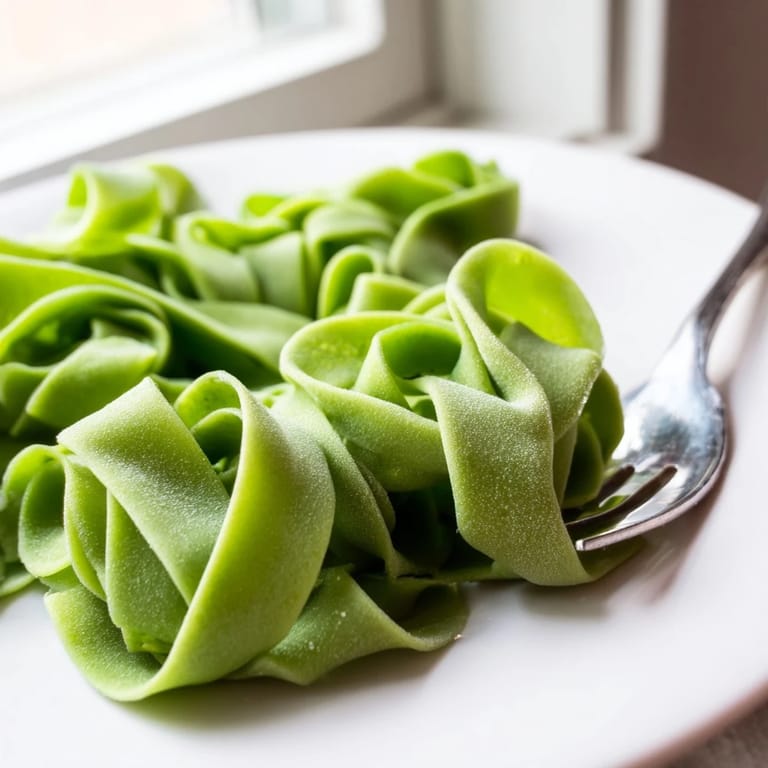
Save On a drizzly Tuesday afternoon, seeking both distraction and dinner, I ventured into making spinach pasta from scratch. The vibrant green dough forming beneath my fingers brought unexpected joy to that otherwise ordinary day. I remember how the kitchen filled with the earthy aroma of blanched spinach as I kneaded, my hands becoming temporarily stained with its brilliant color, making me feel like some kind of culinary artist rather than someone just trying to use up wilting spinach.
Last autumn, my sister visited during a particularly hectic week, and instead of rushing through dinner, I suggested we make spinach pasta together. Our conversation flowed easily as we took turns kneading the dough, and what could have been just another hurried meal became one of my favorite memories from her stay. When we finally twirled the fresh fettuccine around our forks, she went completely silent before declaring it the best pasta shed ever eaten.
Ingredients
- Fresh Baby Spinach: The fresher your spinach, the brighter your pasta color will be, something I discovered after once using spinach that had lingered too long in my fridge.
- 00 Flour: This fine Italian flour creates silky-smooth pasta, though I found all-purpose works in a pinch when Im too impatient to visit the specialty store.
- Semolina Flour: Adds a pleasant texture and helps the sauce cling to your finished pasta, but Ive skipped it when my pantry was bare.
- Eggs: Room temperature eggs incorporate more easily into the flour, a lesson learned after struggling with cold eggs straight from the refrigerator.
- Sea Salt: Dont skip this crucial ingredient that brings out the subtle spinach flavor in the dough.
Tired of Takeout? 🥡
Get 10 meals you can make faster than delivery arrives. Seriously.
One email. No spam. Unsubscribe anytime.
Instructions
- Prepare Your Spinach:
- Bring water to a rapid boil before adding your spinach, watching as the leaves surrender to a vibrant green within seconds. After draining, squeeze every possible drop of moisture out, pressing between paper towels if needed.
- Create Your Spinach Puree:
- Chop the spinach finely or blend until completely smooth, ensuring no spinach strings remain. The smoother your puree, the more even your pasta color will be.
- Form Your Dough Base:
- Create a flour volcano on your work surface with a well deep enough to contain the eggs and spinach. This classic technique prevents the liquid ingredients from escaping before they can incorporate with the flour.
- Combine Wet and Dry:
- Using a fork, gradually pull flour into your wet ingredients, moving in circular motions. The transformation from liquid to dough is almost magical to witness, especially with the green color developing before your eyes.
- Knead With Purpose:
- Push the dough away with your palm, then fold it back toward you, rotating slightly after each push. The dough will transform from sticky and rough to smooth and elastic, changing not just in texture but becoming more uniform in color.
- Rest Period:
- Wrap your dough ball tightly to prevent it from drying out. This resting stage isnt just for you, but allows the gluten to relax, making the dough easier to roll later.
- Shape Your Pasta:
- Whether using a machine or rolling pin, work with small portions, keeping the rest covered to prevent drying. The dough should roll thin enough that you can see your hand through it when held up to light.
- Quick Cook:
- Fresh pasta cooks dramatically faster than dried, so watch carefully and taste frequently. The perfect bite has just a hint of resistance.
 Save
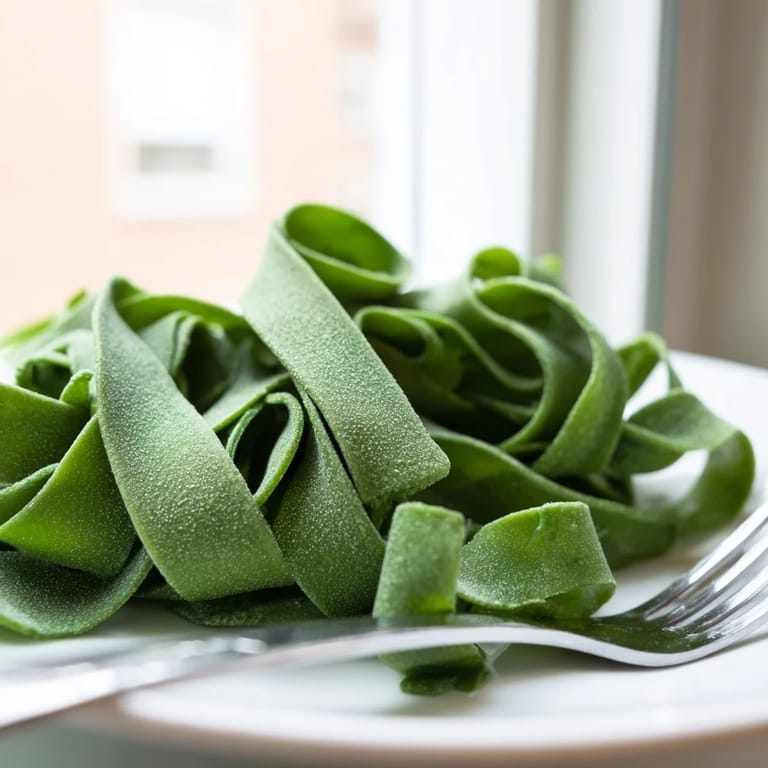
Save Last Christmas, I gifted little bags of dried spinach fettuccine with jars of homemade sauce to friends, bundled with simple cooking instructions. Weeks later, my phone filled with photos of their family dinners featuring the green pasta, each message mentioning how special it made their ordinary weeknight meals feel. That moment connected me to their tables across distances, reminding me why sharing food has always felt like sharing love.
Troubleshooting Your Pasta Dough
When I first attempted spinach pasta, my dough kept sticking maddeningly to everything, including itself. Through trial and many errors, I discovered the tactile cues that tell you when adjustments are needed. If the dough sticks to your fingers, dust with small amounts of flour until it just releases. Conversely, if the dough crumbles or feels too stiff, dampen your hands with a few drops of water and continue kneading to incorporate the moisture gradually.
Storing Your Homemade Pasta
Fresh pasta has a way of making you feel accomplished until you realize youve made enough to feed a small army. After my first batch created more than my household could possibly eat, I learned proper storage methods. Freshly cut pasta can be draped over a pasta drying rack, arranged in nests on a floured baking sheet, or hung over the backs of clean chairs in a pinch. For longer storage, I freeze it flat on baking sheets until solid, then transfer to containers where the pieces wont stick together.
Serving Suggestions
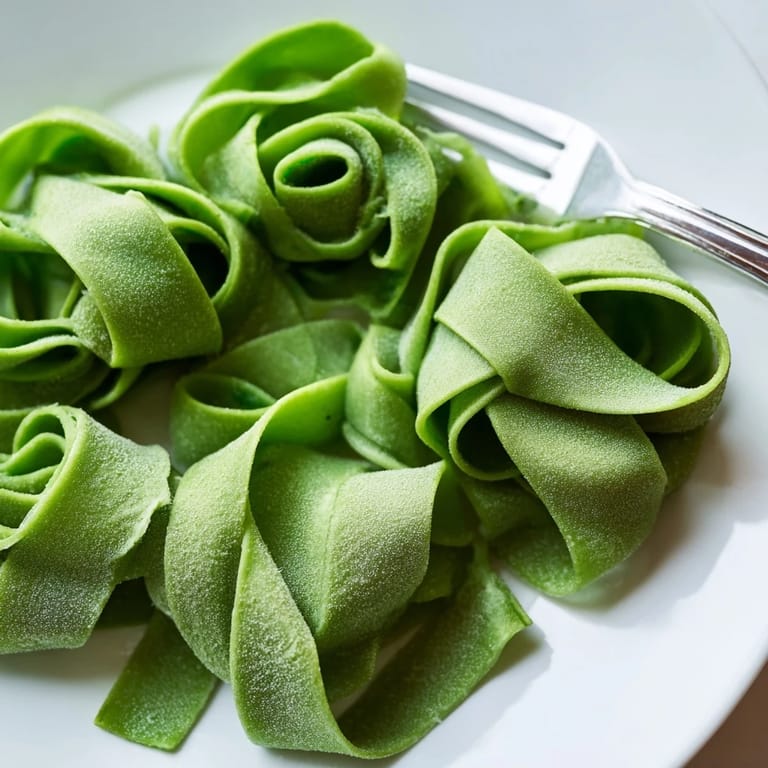
The vibrant green of spinach pasta begs for sauces and presentations that highlight rather than hide its color. My favorite pairing came from a happy accident when I had nothing but butter, lemon, and some aging parmesan in the fridge, creating a simple sauce that let the pasta shine. Since then, Ive discovered that cream-based sauces provide beautiful contrast, while tomato sauces should be used sparingly to avoid visual competition with the green strands.
- For an impressive presentation, twist spinach fettuccine into tall nests on plates using a carving fork, then top with sauce and garnishes.
- Try using spinach pasta alongside regular pasta for striking color contrast in the same dish.
- Reserve a small amount of the pasta cooking water to help your sauce cling perfectly to the spinach pasta.
 Save
Save This spinach pasta connects me to generations of Italian nonnas who understood that the most memorable meals come from simple ingredients transformed by caring hands. Whether you serve it to impress guests or just to brighten a Wednesday dinner, the process itself offers its own reward.
Recipe FAQs
- → How do I prevent the dough from being too wet?
Squeeze out as much moisture as possible from the blanched spinach using a clean kitchen towel or cheesecloth. If the dough still feels sticky during kneading, add flour one tablespoon at a time until it reaches the right consistency.
- → Can I use frozen spinach instead of fresh?
Yes, you can use frozen spinach. Thaw it completely and squeeze out all excess water before pureeing. You'll need about 100g of thawed, drained spinach, which is roughly half a standard frozen package.
- → Why does the dough need to rest for 30 minutes?
Resting allows the gluten to relax, making the dough easier to roll out and preventing it from shrinking back. It also helps the flour fully hydrate, resulting in a smoother, more elastic texture.
- → What's the difference between 00 flour and all-purpose flour?
Italian 00 flour is more finely ground and has a slightly lower protein content than all-purpose flour, creating a silkier, more tender pasta. You can substitute all-purpose flour, though the texture may be slightly less delicate.
- → How do I know when the dough is kneaded enough?
The dough should be smooth, elastic, and slightly tacky but not sticky. Press your finger into it—if the indent springs back slowly, it's ready. The surface should look uniform without dry patches or cracks.
- → Can I freeze this pasta dough?
Yes, wrap the dough tightly in plastic wrap and place in a freezer bag for up to 3 months. Thaw overnight in the refrigerator before using, then let it come to room temperature for easier rolling.