 Save
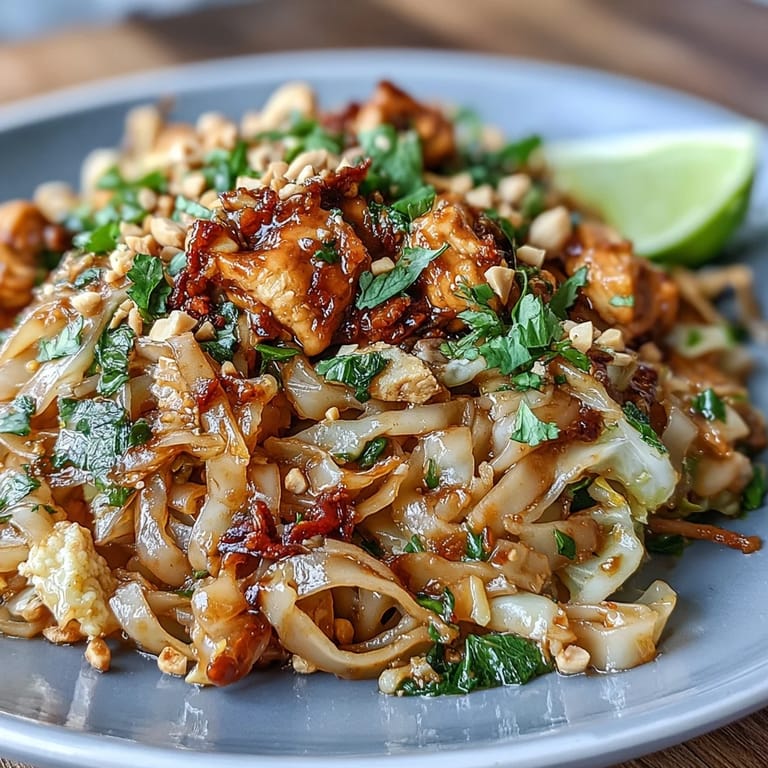
Save You never really know the true versatility of a cabbage until one rainy evening you find yourself craving Pad Thai with not a single noodle in sight. The kitchen was buzzing with the sound of the knife hitting the board and the fresh scent of lime zest mixing with ginger. I didn’t set out to make a low-carb meal, but that lonely head of cabbage inspired an experiment that turned into tradition. Swapping noodles was hardly a sacrifice once the sauce hugged every vibrant strand and the peanuts provided their unmistakable crunch. That’s how cabbage Pad Thai earned its spot in my easy dinner rotation.
I once whipped this up for a quick weeknight dinner when my roommate dashed in late from the gym and the kitchen air thickened with sizzling garlic. Her eyes widened at the sheer heap of vegetables, but after a single bite she was already rummaging for seconds and asking if there was more lime to squeeze over top. That night, we sat cross-legged at the couch, clinking chopsticks and surprised by how much comfort a stir-fry could deliver even on a drizzly Tuesday. Now every time cabbage goes on the shopping list, she slyly tests, ‘Pad Thai night?’
Ingredients
- Green cabbage: Go for a medium head; slice as thinly as possible to mimic noodles and keep the stir-fry quick.
- Carrot: Julienned for color and a touch of sweetness—try to cut them the same size as your bell pepper.
- Red bell pepper: Brings crunch and a pop of color; slice thinly for faster cooking and better texture.
- Scallions: Separate the white and green parts—the whites build flavor early, the greens finish with freshness.
- Garlic: Minced fine so it sizzles and perfumes the oil without burning.
- Fresh ginger: Grated for warmth—add just before the veggies so its aroma blooms.
- Eggs: Stirred through for richness and that signature Pad Thai curd.
- Chicken, shrimp, or tofu: Your protein pick—precooked and sliced so it heats gently without drying out.
- Tamari or soy sauce: Deep, salty base—tamari for gluten free, regular soy if that’s what’s on hand.
- Fish sauce: Layer of umami; skip it for a vegetarian twist or replace with more tamari.
- Lime juice: Vital for zing and brightness—plus wedges for serving so everyone can adjust to taste.
- Unsweetened peanut butter: Lends luxurious body and echoes the crunchy peanut topping.
- Erythritol, monkfruit, or honey: Whichever sweetener you choose, it’s about that classic Pad Thai balance.
- Chili flakes or Sriracha: Add in to wake up the sauce—skip or adjust for your spice crowd.
- Roasted unsalted peanuts: Chop them yourself for chunkier crunch; they’re the main garnish.
- Fresh cilantro: Sprinkle at the end, its fragrance shouts ‘Thai food!’
- Lime wedges: Don’t skip these—squeeze over the finished dish for an extra burst of freshness.
Tired of Takeout? 🥡
Get 10 meals you can make faster than delivery arrives. Seriously.
One email. No spam. Unsubscribe anytime.
Instructions
- Mix the sauce:
- Combine tamari, fish sauce, lime juice, peanut butter, chosen sweetener, and chili in a small bowl. Stir until silky and aromatic, then set aside so the flavors meld.
- Sauté the aromatics:
- Heat your skillet or wok until lively, drizzle in a little oil, and stir in garlic, ginger, and the white scallion bits. In just a minute, you’ll smell their punchy fragrance blooming.
- Add the veggies:
- Toss in the cabbage, carrot, and bell pepper together. Stir-fry briskly; they’ll soften but still hold crunch after 4 minutes.
- Scramble the eggs:
- Push the veggies to one side and pour in the eggs. Scramble gently, then fold them through the veggies so every bite gets a touch of silky egg.
- Warm the protein and sauce:
- Add the chicken, shrimp, or tofu right in. Pour over your sauce and toss everything together on medium heat for another couple minutes, sizzle and steam filling the kitchen.
- Finish and serve:
- Remove from heat. Shower with scallion greens, peanuts, cilantro, and pass extra lime wedges at the table.
 Save
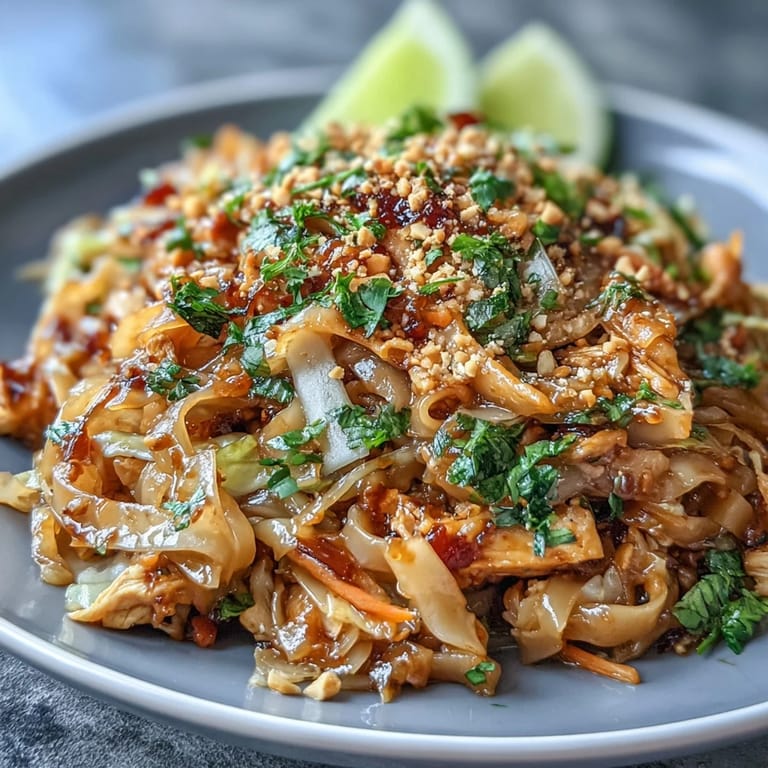
Save The first time I brought a platter of cabbage Pad Thai to a friend’s potluck, hands hovered and eyebrows went up at the lack of noodles. But within a few forkfuls, laughter broke out as people realized the genius of swapping in cabbage and not a single stringy noodle was missed. That night, the dish disappeared well before the takeout boxes were even opened, and I caught friends quietly jotting down the recipe from my notebook when they thought I wasn’t looking. Moments like those prove a little kitchen curiosity is worth every risk. Even old favorites can get a playful update and still bring people together.
What to Expect with Cabbage 'Noodles'
If you’re used to the satisfying slurp of rice noodles, cabbage may surprise you with its crunch and slight sweetness. After just a few minutes in the pan, it becomes tender without turning soggy—the key is high heat and quick tossing. The sauce soaks into every strand, ensuring you get that same rich, tangy hit in every bite. I’ve also noticed that leftovers keep their texture better than most noodle stir-fries, so no sad, limp reheats here.
Swappable Ingredients and Toppings
The real beauty here is you can play with the proteins and the level of spice. I’ve rotated through tofu, shrimp, and chicken depending on what’s already cooked in the fridge, and it always works. Sometimes a sprinkle of sesame seeds or a handful of crunchy bean sprouts gets tossed on top for fun, and I once even swapped in purple cabbage just for the color. As long as you keep the core sauce and finishing touches, there’s endless room to riff.
Quick Fixes for Cooking Night Surprises
Burnt garlic happens—just wipe the pan, start over, and no one will ever know. If your cabbage releases too much water, simply crank up the heat and stir a little longer; it’ll evaporate fast. Don’t worry if your sauce looks a bit thick, a spoonful of water or even a splash more lime juice will loosen it perfectly.
- Keep a bowl for discarding veggie scraps nearby for an easy clean up.
- Taste and adjust seasonings near the end—sometimes more salt or lime is needed once everything’s mixed.
- Set out extra peanuts and cilantro at the table so everyone can garnish their bowl just the way they like.
 Save
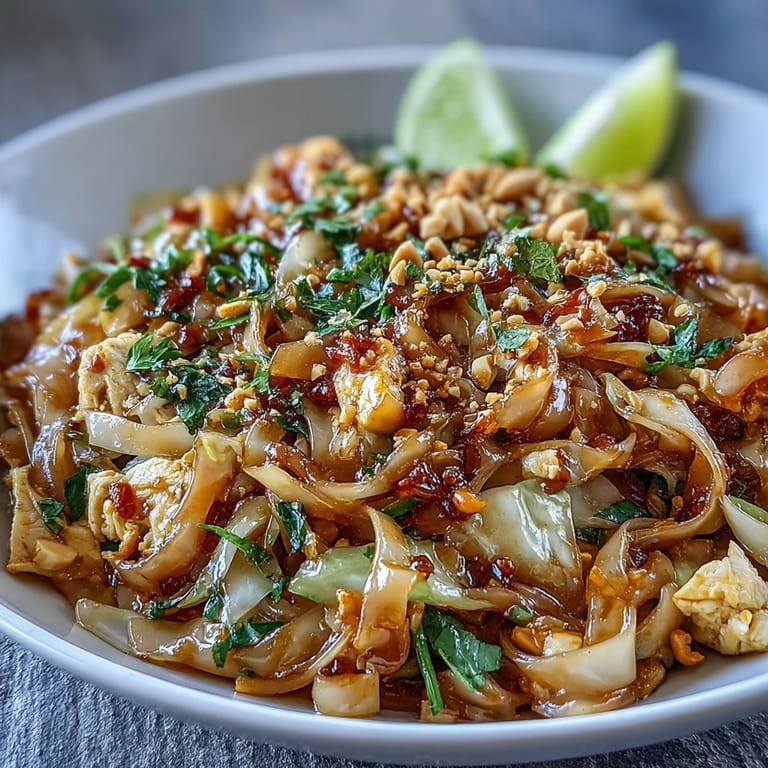
Save Cabbage Pad Thai may come together quickly, but its bright flavors and playful swap make it a memorable twist well worth keeping in your back pocket. Sometimes the best kitchen wins are the ones you never plan for.
Recipe FAQs
- → How do I keep the cabbage crisp?
Use a high heat and stir-fry briefly. Shred the cabbage thinly, avoid overcrowding the pan, and add any sauce at the end so the vegetables stay tender-crisp.
- → Which protein works best?
Cooked chicken, shrimp or firm tofu all work well. Use pre-cooked or quickly sear raw proteins before combining with the cabbage so everything heats through without overcooking the vegetables.
- → What can I use instead of peanuts?
For a nut-free option, swap chopped peanuts for toasted sunflower or pumpkin seeds, or stir in a spoonful of sunflower seed butter to the sauce for similar richness.
- → Can I make this ahead and store it?
Store in an airtight container in the fridge for up to 3 days. Reheat gently in a skillet to preserve texture and add fresh toppings like cilantro and lime just before serving.
- → How do I adjust the sweet and spicy balance?
Taste the sauce as you go and tweak the sweetener and chili. Add lime juice to brighten, more sweetener to mellow heat, or extra chili flakes or Sriracha for spice.
- → How can I ensure it's gluten-free?
Use tamari or coconut aminos in place of regular soy sauce and verify that any fish sauce or other condiments are labeled gluten-free.