 Save
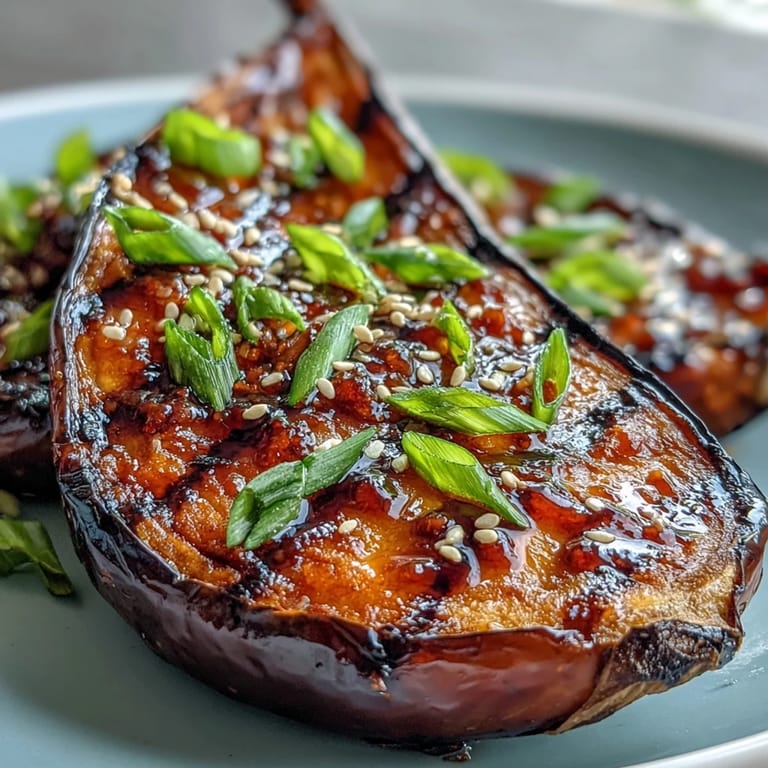
Save The first time I made miso glazed eggplant, the kitchen was humming with a gentle rain outside, making everything feel cozier. I can still remember pouring the miso paste into a saucepan and catching that nutty, savory aroma rising up with the steam. My cat wandered in, curious but disappointed by the lack of fishy smells. What surprised me most was how quickly the simple ingredients transformed into something you’d expect at a restaurant. The sizzle as the glaze caramelized under the broiler was almost as satisfying as the first bite.
I once brought a tray of these to a weeknight potluck with neighbors, not expecting them to steal the show among all the casseroles. We circled around the kitchen island, forks at the ready, and the last glossy slice disappeared into laughter before I could sneak a second serving myself. Someone asked where I learned to make 'that amazing Japanese eggplant,' and suddenly I was writing out the recipe on the back of a napkin. That night turned into a lively exchange of stories and new ideas for future get-togethers. This dish now always reminds me that sometimes the simplest recipes spark the best conversations.
Ingredients
- Eggplants: Choose firm, glossy ones with taut skin—the fresher, the better, and smaller ones are less bitter.
- White miso paste: I use shiro miso for its mellow sweetness; be sure to measure carefully as too much can quickly overpower the dish.
- Mirin: Adds a gentle sweetness and mild tang; if you don’t have any, a mix of rice vinegar and sugar does the trick in a pinch.
- Sake: This softens the glaze and adds depth; use a light hand to keep the flavors balanced.
- Sugar: I find regular granulated sugar works best to balance out the saltiness of the miso.
- Soy sauce: Brings out the umami notes; for gluten-free, tamari is a safe, tasty swap.
- Sesame oil: Perfect for lending richness and for brushing on the eggplant—it helps the glaze stick and roast beautifully.
- Toasted sesame seeds: These aren’t just garnish—use freshly toasted ones for the crunch and subtle nuttiness.
- Green onions: Sliced on the diagonal, they add freshness and a tiny bit of bite to each piece.
Tired of Takeout? 🥡
Get 10 meals you can make faster than delivery arrives. Seriously.
One email. No spam. Unsubscribe anytime.
Instructions
- Preheat and prep the tray:
- Set your oven to 400°F (200°C) and slide a sheet of parchment into your baking tray—you’ll thank yourself at cleanup.
- Score the eggplants:
- Using a sharp knife, carefully cut a crosshatch pattern on the flesh side, taking care not to cut through the skin; this helps the glaze seep in.
- Brush and roast:
- Drizzle sesame oil onto the scored sides, massaging it in with a pastry brush, then arrange them cut side up and send them into the oven.
- Roast till soft:
- About 25 minutes later, your kitchen will smell nutty and savory—poke the flesh gently; it should be tender and lightly bronzed.
- Make the miso glaze:
- While the eggplants roast, stir together miso, mirin, sake, sugar, and soy sauce in a small saucepan over low heat until it’s smooth and just thick enough to coat a spoon.
- Glaze the eggplants:
- Pull out your tray and spread a generous layer of miso glaze over each eggplant half—it’ll look glossy and irresistible right away.
- Broil and caramelize:
- Set your oven to broil (grill) on high, and return the eggplants for 3-5 minutes; stay close, watching for bubbling and browning on top without burning.
- Finish and serve:
- Slide the eggplants onto a platter, sprinkle with sesame seeds and green onions, and serve them warm for best flavor.
 Save
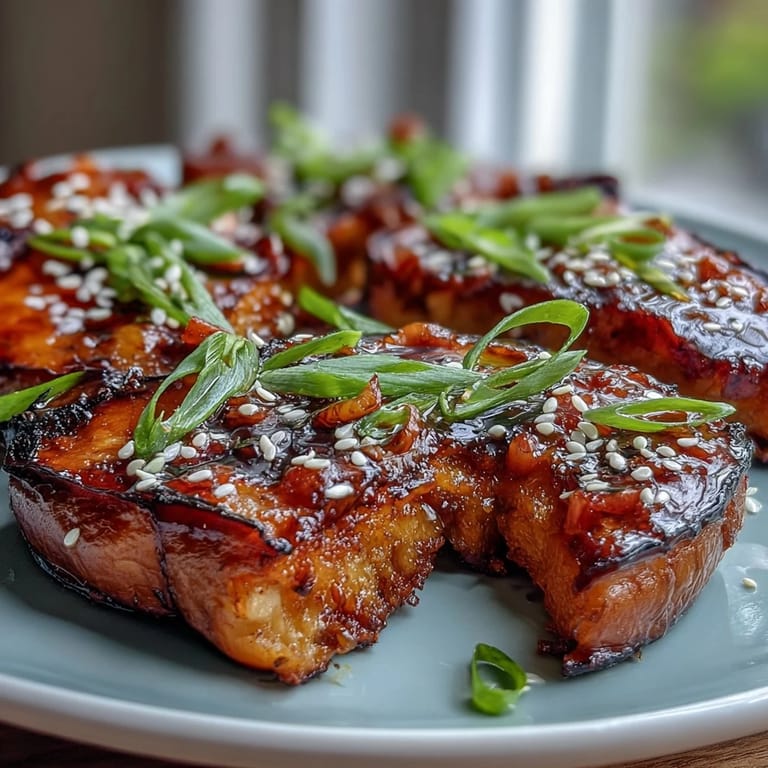
Save Making this for my friend who loves anything with miso turned a regular Tuesday into a little celebration; we spooned the extra sauce onto steamed rice and laughed at how quickly it all vanished. There’s something about sharing a simple plate of eggplant that makes dinner feel like a treat, no matter the occasion.
Choosing the Right Eggplant Matters
After a few tries, I realized that heavier, smaller eggplants with fewer seeds yield the creamiest texture and mildest taste. If you spot any wrinkling or bruises at the market, move along until you find ones that feel weighty for their size.
Miso Glaze—Balance Is Key
Every miso paste brand has a personality—some are saltier, some sweeter, so I always taste my glaze before slathering it on. If you find it’s too punchy, a splash of mirin or a dusting of extra sugar can dial it in nicely.
Little Details for Big Flavor
Lining the tray with parchment paper saves you lots of scrubbing, and brushing the sesame oil all the way into the scored pockets makes a difference in taste and texture. Let the eggplants rest a couple minutes before cutting—this helps the glaze set and the flavors settle just right.
- Don’t skip the green onion garnish—it’s more than just color.
- If you make extra glaze, try it on tofu or roasted veggies later in the week.
- Have everything measured and ready before you start; the broiler stage moves fast.
 Save
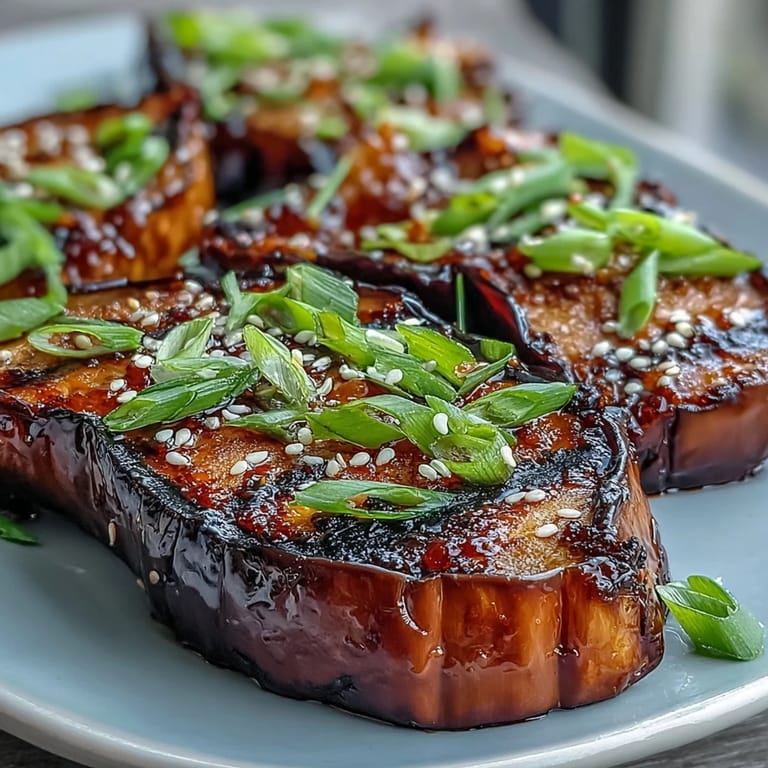
Save This miso glazed eggplant always reminds me that small, thoughtful steps turn humble ingredients into something special. Enjoy each bite, and don’t be surprised if you get requests for the recipe.
Recipe FAQs
- → How long should I roast the eggplant?
Roast cut-side up at 400°F (200°C) for about 25 minutes, or until the flesh is soft and lightly browned. Time varies with eggplant size; larger fruits may need a few extra minutes.
- → How can I achieve a nicely caramelized glaze?
Spread a generous layer of the miso glaze, then broil on high for 3–5 minutes until bubbling and browned. Stay nearby and watch closely to prevent burning; a brief, high-heat finish concentrates the sugars and deepens the umami.
- → Which eggplant variety works best?
Medium Japanese or globe eggplants both work. Choose firm, glossy fruits without soft spots; evenly sized pieces roast more predictably.
- → Can I make substitutions for mirin or soy sauce?
Use a mix of rice vinegar and a pinch of sugar if mirin is unavailable. For gluten-free diets, swap soy sauce for tamari; adjust sweetness and salt to taste.
- → Is there an alternative cooking method to roasting?
Yes—pan-sear cut sides in a hot skillet until deeply browned, then finish with the glaze under a broiler or on a very low oven setting to caramelize. Grilling over medium heat also adds a smoky note.
- → How should leftovers be stored and reheated?
Cool to room temperature, then refrigerate in an airtight container up to 3 days. Reheat gently in a low oven or under a broiler to revive the glaze; avoid microwaving for best texture.