 Save
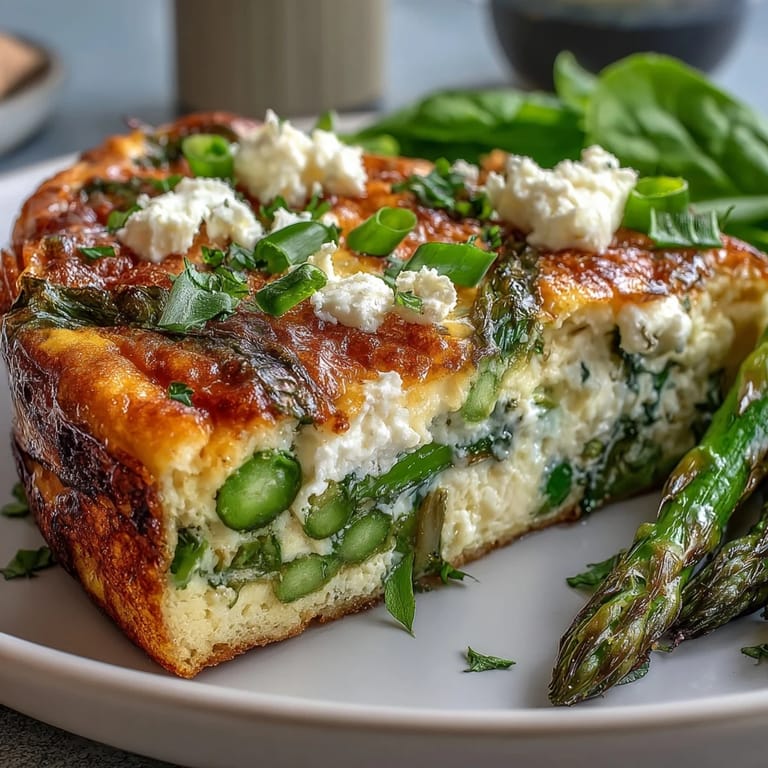
Save The first time the scent of sizzling asparagus mingled with melting butter on a bright spring morning, I couldn't help but pause and breathe it in. It was one of those moments where the kitchen seemed to wake up with the season—windows cracked open, birds commenting on my progress, and sunlight pooling beside the stove. I hadn't planned anything fancy, but my fridge was bursting with fresh market finds and inspiration struck. This frittata grew out of one part improvised brunch, one part stubborn refusal to let those tender vegetables go to waste. The result was a warm, vibrant dish that made me crave lazy spring weekends all year long.
I remember making this for a friend who dropped by unannounced—her timing was perfect and the frittata was just coming together. The kitchen felt homier with laughter echoing and the aroma of goat cheese rising from the oven. There were a few missteps (like nearly overcooking the eggs out of habit), but we both agreed it tasted like spring itself. Sharing plates and stories somehow made everything brighter. Now, I always keep asparagus and peas on hand just in case another impromptu brunch happens.
Ingredients
- Asparagus: Trim well and use the tender tops for the sweetest flavor—I always snap instead of cut to avoid tough bits.
- Fresh or Frozen Peas: Bright and sweet peas give a pop of texture, and frozen peas work surprisingly well if fresh aren't available.
- Baby Spinach: Roughly chopping prevents huge wilted leaves in your slice—I learned the hard way that this step matters.
- Spring Onions: Their delicate bite adds subtle layers to each mouthful and they soften beautifully when sautéed.
- Eggs: Use fresh, large eggs for the fluffiest results—don't skimp, since they're the backbone.
- Whole Milk or Cream: Cream adds luxurious richness, but milk keeps things lighter; both make the eggs tender.
- Goat Cheese: Crumbled on top, it delivers tangy pockets every few bites—go for creamy, not dry, varieties.
- Unsalted Butter: Low and slow melting gives a golden base without browning the flavor—plus, it makes clean-up a breeze.
- Fresh Chives: Chives brighten up the eggs and offer grassy freshness—a handful makes a difference.
- Dill or Parsley: Either herb lifts the whole dish, and using both creates a garden-like aroma.
- Salt and Black Pepper: Season well, but taste as you go; fresh pepper adds a mild bite under the creamy cheese.
Tired of Takeout? 🥡
Get 10 meals you can make faster than delivery arrives. Seriously.
One email. No spam. Unsubscribe anytime.
Instructions
- Set the Oven Stage:
- Preheat to 375°F (190°C)—this gives the frittata time to puff perfectly while you prep everything else.
- Sauté Spring Veggies:
- Melt the butter in your oven-safe skillet, then let the asparagus sizzle and soften for a couple of minutes before adding peas and spring onions. Stir and listen for that soft snap, then fold in spinach just until it wilts and turns glossy.
- Whisk the Egg Mixture:
- Combine eggs, milk (or cream), herbs, salt, and pepper in a bowl; whisk so everything blends and the color turns pretty pale yellow.
- Pour Eggs Over the Veggies:
- Gently pour the egg mixture into your skillet, making sure the liquid spreads evenly and the veggies peek through. Let the edges start to set while the center stays soft, about three to four minutes.
- Add Goat Cheese Magic:
- Scatter goat cheese crumbles on top—they’ll sink slightly and create creamy spots after baking.
- Finish in the Oven:
- Transfer the skillet to the hot oven and bake for ten to twelve minutes, until the frittata is puffed and the center looks just barely set.
- Savor and Serve:
- Let it rest for a few minutes after baking, which keeps slices neat. Serve warm or room temperature—either way, the flavors shine.
 Save
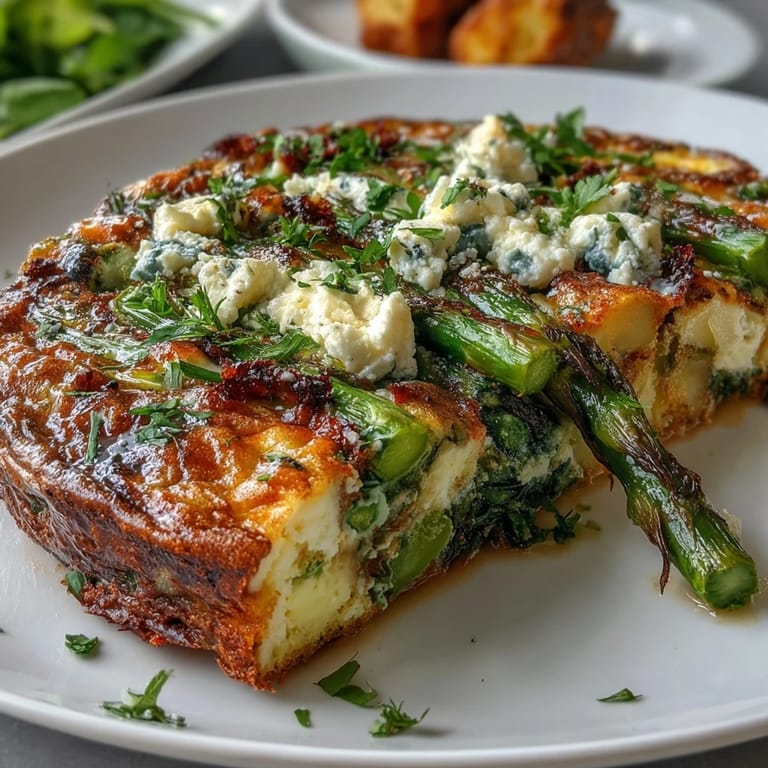
Save There was a moment when slices of this frittata circled the table, and the conversation drifted from garden plans to funny cooking mishaps. The dish wasn’t just a meal—it became a centerpiece, sparking stories and laughter that lingered long after the plates were empty.
Best Ways to Serve Your Spring Frittata
Pairing this frittata with a crisp salad and crusty bread adds layers of texture and makes it a full meal. I sometimes pop open a bottle of sparkling water with lemon for a refreshing touch—everything tastes brighter alongside it.
Choosing Your Veggies and Cheese
The beauty of this recipe is its flexibility; I’ve swapped in zucchini, fava beans, or even sun-dried tomatoes when the fridge called for experimentation. Goat cheese stays my go-to for creamy tang, but feta or ricotta can also work if you prefer milder flavors.
Quick Fixes for Common Frittata Fumbles
Don’t stress if your frittata puffs unevenly—just loosen the edges with a spatula and it will settle. If you’re dairy-free, using plant-based milk and cheese keeps the flavors light and friendly. Remember, the best results come from letting the eggs set gently in the oven.
- Sauté vegetables until just tender for the brightest flavor.
- Use an oven-safe nonstick skillet for easy release and no sticking.
- Always taste for seasoning before baking to avoid bland bites.
 Save
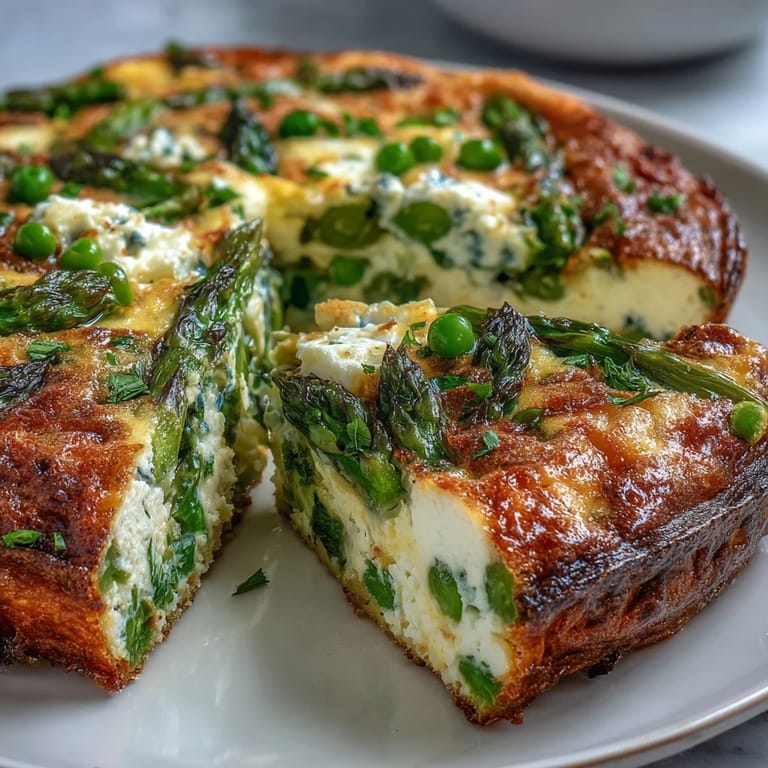
Save May your spring mornings be filled with the fresh, cheerful spirit this frittata brings. Even if brunch happens quietly at home, a slice of this is a celebration in itself.
Recipe FAQs
- → Can I use frozen peas?
Yes, frozen peas work well. Simply add them directly to the skillet and sauté until bright and tender.
- → What herbs complement this dish?
Fresh chives, dill, or parsley add brightness. Feel free to try tarragon or basil for more flavor.
- → How should leftover frittata be stored?
Cool completely, then refrigerate in an airtight container. Enjoy cold or gently reheat slices.
- → Is goat cheese essential?
No, you can substitute with feta, ricotta, or use a plant-based cheese for a dairy-free twist.
- → What other vegetables can be added?
Try zucchini, fava beans, or bell peppers for more color and variety. Adjust cook time as needed.
- → What is the ideal skillet size?
A 10–12 inch oven-safe nonstick skillet works best for even cooking and easy slicing.