 Save
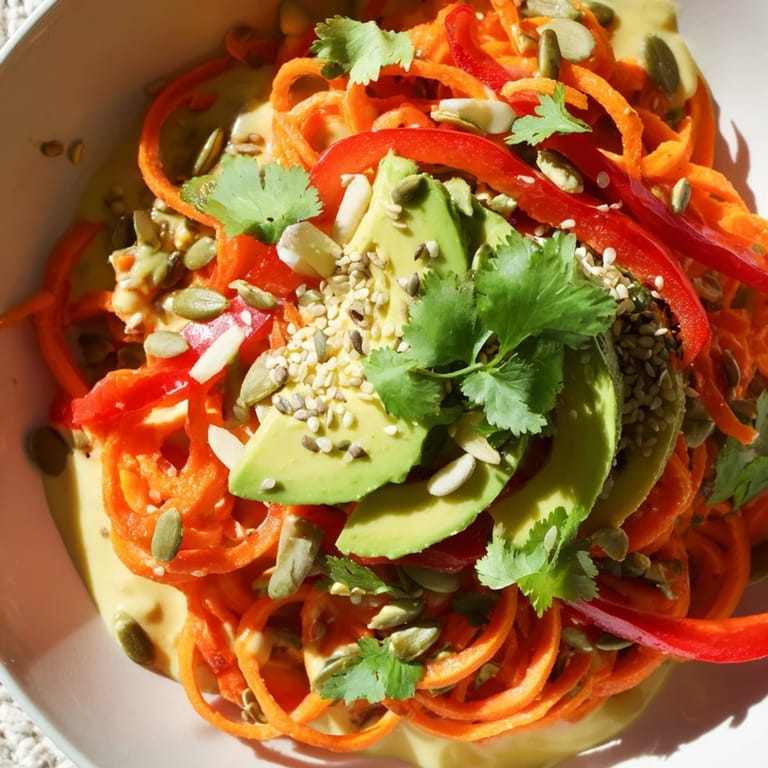
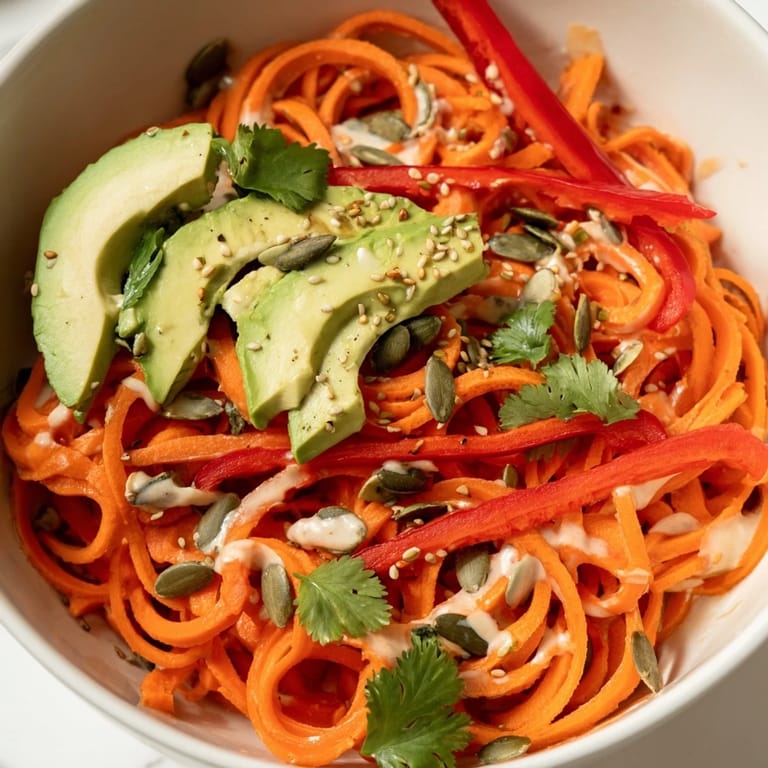
Save The first time I made this Carrot Noodle Skincare Bowl was during that hectic week when I'd sworn off processed foods but still craved something substantial. My skin had been acting up from stress, and a friend suggested eating more orange and green vegetables. The vibrant colors alone were therapeutic as I spiralized those carrots, watching them curl into perfect noodles on my cutting board. Something about the process felt meditative, like I was crafting medicine rather than just preparing lunch.
Last spring, I served these bowls at an outdoor lunch with my sister who was visiting from Chicago. She kept taking photos from different angles, insisting that something this beautiful must be complicated. We sat under the maple tree in the backyard, our forks twirling carrot noodles while birds chirped overhead. She asked for the recipe three times before leaving, which I consider the highest form of culinary compliment.
Ingredients
- Carrots: Use the largest, thickest carrots you can find for spiralizing, as they create those satisfying long noodles rather than short broken pieces.
- Avocado: Choose one thats just yielding to gentle pressure, not too soft or youll end up with mush instead of those pretty slices that make the bowl look special.
- Tahini: Splurge on good quality tahini that isnt bitter, as its the backbone of your dressing and cheap brands can ruin the entire flavor profile.
- Fresh cilantro: Dont skip this even if youre tempted to, as it adds this brightness that ties all the other flavors together in an unexpected way.
- Pumpkin seeds: Toast these yourself in a dry pan for about 3 minutes instead of buying pre-toasted ones, the flavor difference is remarkable.
Tired of Takeout? 🥡
Get 10 meals you can make faster than delivery arrives. Seriously.
One email. No spam. Unsubscribe anytime.
Instructions
- Create your noodle base:
- Hold each carrot firmly as you spiralize, applying even pressure to get those gorgeous long strands. If you dont have a spiralizer, a vegetable peeler can create ribbon-like noodles that work beautifully too.
- Arrange your rainbow:
- Think of your bowl as an artist's palette, placing ingredients in sections rather than mixing them all together. This not only looks stunning but lets you control how much of each component you get in each bite.
- Whisk the liquid gold:
- When making the dressing, add the water gradually while whisking to achieve that perfect silky consistency. You want it pourable but not so thin that it pools at the bottom of your bowl.
- Dress with restraint:
- Drizzle the dressing with a light hand first, as you can always add more but cant take it away. I like to serve extra dressing on the side for those who want a stronger flavor punch.
- Crown with seeds:
- Scatter the seeds from a height to ensure they distribute evenly across the top of your creation. This final touch adds both visual interest and that crucial textural contrast.
 Save
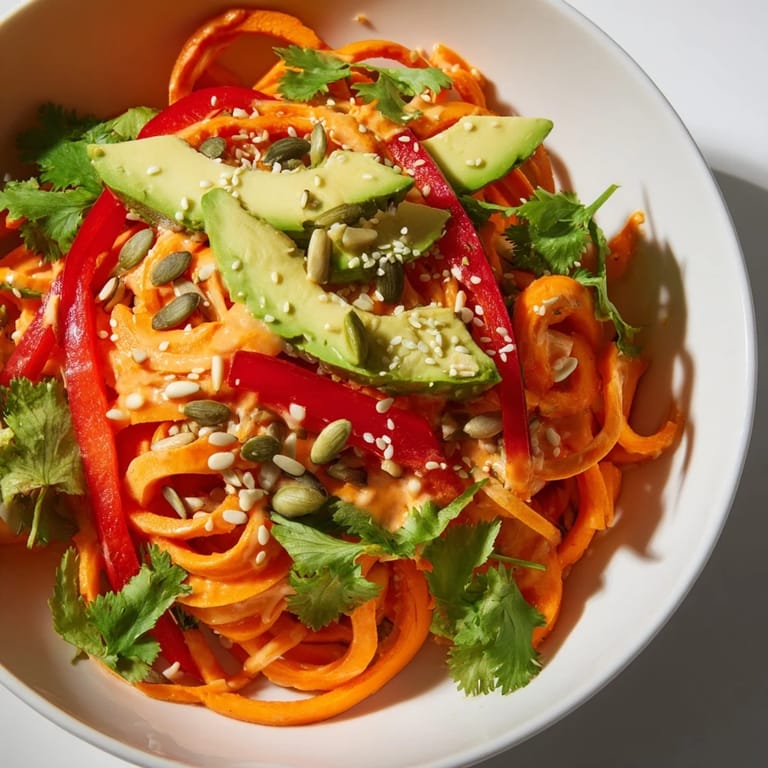
Save My neighbor Sarah knocked on my door one afternoon when I was photographing this dish for my personal recipe collection. The sunlight was streaming through my kitchen window, creating the perfect lighting. She ended up staying for lunch, and now this carrot bowl has become our tradition whenever we need to catch up. There's something about chopping vegetables together that makes conversations flow more easily, turning a simple meal into a meaningful connection.
Protein Boosters
After making this bowl several times, I realized it needed a protein boost on days when I had afternoon workouts planned. I started experimenting with adding baked tofu cubes marinated in a touch of the same tahini dressing, which created this lovely flavor continuity throughout the dish. Another time, when my refrigerator was particularly bare, I tossed in some leftover roasted chickpeas that had been seasoned with smoked paprika, and the contrast with the fresh vegetables was absolutely divine.
Make-Ahead Options
One Tuesday morning when I knew I'd be racing from meetings to picking up my nephew from school, I prepared all the components separately and stored them in the refrigerator. The carrots stayed surprisingly crisp when kept in cold water, though I did have to pat them dry before assembling. The dressing actually improved after sitting for a few hours, with the garlic flavor mellowing into something more complex and interesting. I've since learned that this preparation strategy turns a 20-minute lunch into a 3-minute assembly job when time is tight.
Seasonal Adaptations
During the height of summer when my garden is overflowing, I often swap the spinach for whatever leafy greens are threatening to take over my raised beds. Once when the temperature hit 95 degrees, I added thin slices of watermelon radish for their cooling quality and visual appeal, their pink rings creating a sunset effect against the orange carrots. Winter calls for heartier additions, and I've found that roasted butternut squash cubes bring warmth to the dish without compromising its fresh appeal.
- For autumn, try adding thinly sliced apple and a sprinkle of cinnamon to the dressing for a seasonal twist.
- In winter months, massage the tahini dressing into the spinach leaves first to slightly wilt them for a more comforting texture.
- When traveling or packing for lunch, layer ingredients in a jar with dressing at the bottom and greens at the top, then shake to combine when ready to eat.
 Save
Save Every time I make this vibrant bowl, I'm reminded that nourishing yourself can be an act of creativity as much as sustenance. The colors alone seem to brighten my mood even before the first bite.
Recipe FAQs
- → Can I make this ahead of time?
The components can be prepped separately and stored in the refrigerator for up to 2 days. Spiralize carrots and chop vegetables in advance, but assemble and dress the bowl just before serving to maintain optimal freshness and crunch.
- → What can I use if I don't have a spiralizer?
Use a julienne peeler or mandoline to create thin carrot strips. Alternatively, cut carrots into thin matchsticks with a sharp knife. The texture will be slightly different but equally delicious.
- → How can I add more protein to this bowl?
Top with grilled tofu, baked tempeh, or roasted chickpeas for plant-based protein. Edamame also works wonderfully. For extra richness, add a soft-boiled egg if your diet allows.
- → Can I substitute the tahini in the dressing?
Almond butter or sunflower seed butter make excellent substitutes for tahini. Cashew butter also works well for a milder, creamier flavor. Adjust the consistency with additional water or lime juice as needed.
- → What other vegetables work well in this bowl?
Try adding shredded purple cabbage, julienned zucchini, snap peas, or radish slices for extra crunch and color. Roasted sweet potato cubes or beets add warmth and earthiness for a heartier meal.
- → How do I store leftover dressing?
Store the tahini-lime dressing in an airtight container in the refrigerator for up to 5 days. It may thicken when chilled, so whisk in a little water or lime juice before using to restore the creamy consistency.