 Save
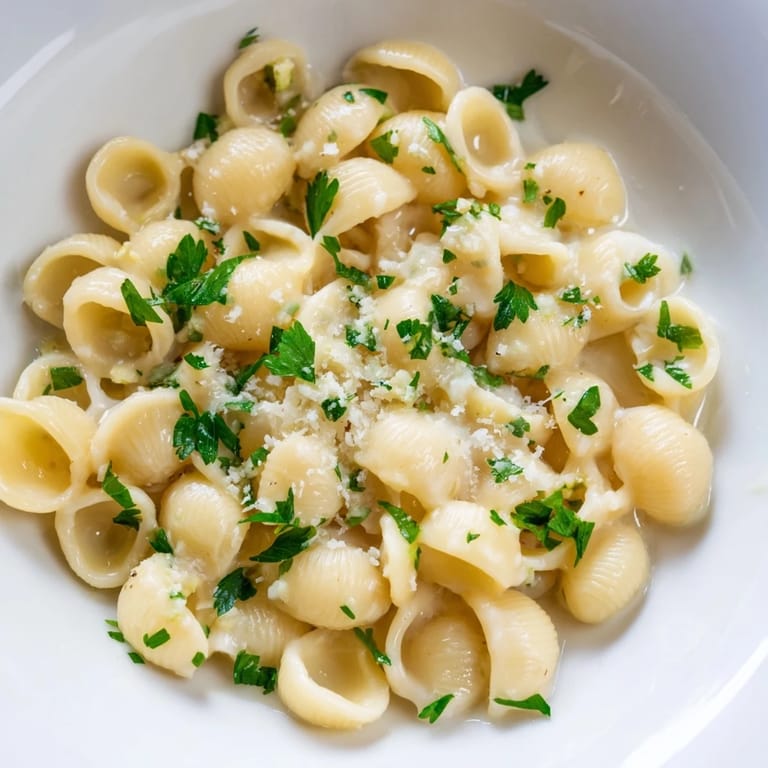
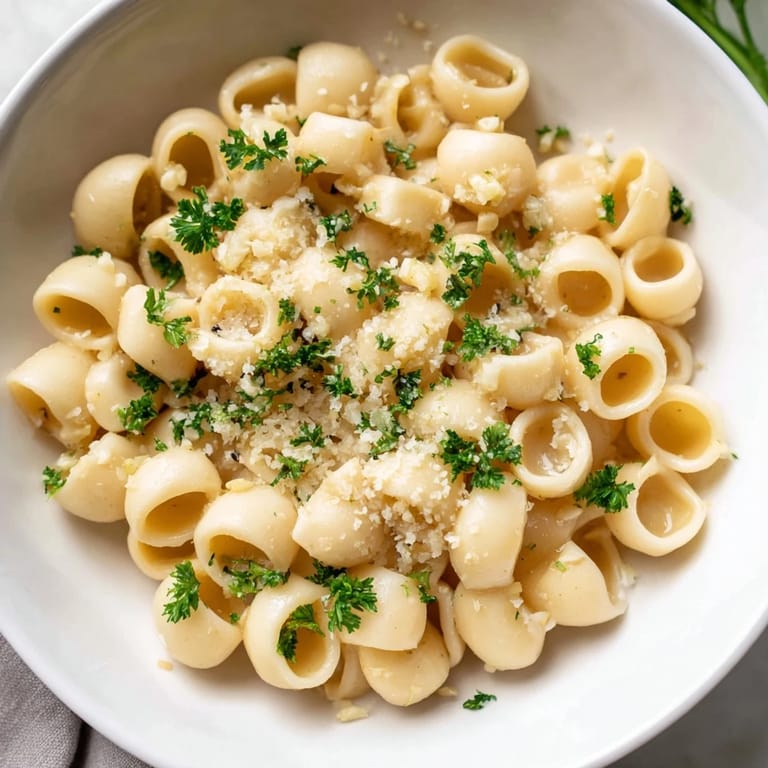
Save My roommate once called me in a panic from the grocery store, asking what she could make for dinner in twenty minutes with basically nothing in the pantry. I walked her through this ditalini pasta while she stood in the aisle, and by the time she got home, she had everything needed for something that tasted like she'd been cooking all day. That's when I realized how magical simple garlic and half-and-half could be together, especially when you're tired and hungry and need comfort without the heaviness.
There was an evening when my neighbor knocked on the door with a confused look, asking what that smell was wafting through the hallway. I invited her in and she ended up staying for dinner, eating three bowls while we talked about nothing in particular. She texted me the next week asking for the recipe, which felt like the highest compliment I could receive for something so simple.
Ingredients
- Ditalini pasta (300 g): These small tube shapes trap the creamy sauce inside each piece, so you get flavor in every bite rather than sauce pooling at the bottom.
- Olive oil (1 tablespoon): Use something you actually like tasting because it's a main player here, not just cooking grease.
- Garlic (4 cloves, finely minced): Don't use pre-minced from a jar; fresh garlic sautés into something almost nutty and sweet, while jarred stays aggressive.
- All-purpose flour (2 tablespoons): This is your thickener, creating that silky texture that makes you slow down and actually taste what you're eating.
- Half-and-half (480 ml): The secret to elegance without guilt—it coats the pasta beautifully without making you feel like you need a nap afterward.
- Low-sodium vegetable broth (60 ml): This adds a subtle depth and keeps the sauce from tasting one-note creamy.
- Parmesan cheese (40 g, grated): Freshly grated makes all the difference because it melts into the sauce instead of clumping, and it adds this savory richness that jarred versions miss.
- Salt and black pepper: Taste as you go; you might need more salt than you'd expect because the cream mutes flavors.
- Red pepper flakes (optional): A whisper of heat brightens everything up if the dish feels flat.
- Fresh parsley and extra Parmesan for serving: These aren't just decoration—they remind you this is food meant to be celebrated.
Tired of Takeout? 🥡
Get 10 meals you can make faster than delivery arrives. Seriously.
One email. No spam. Unsubscribe anytime.
Instructions
- Get the water going:
- Fill a large pot with water, salt it generously, and bring it to a rolling boil. This is your foundation, and skipping the salt means bland pasta no matter what you do next.
- Cook the ditalini:
- Add the pasta and stir occasionally so nothing sticks to the bottom. When you bite into a piece and it's soft but still has the slightest resistance, it's done—that's al dente, and it matters more than people realize because it keeps the pasta from turning to mush when it hits the hot sauce.
- Save the liquid:
- Reserve at least half a cup of the starchy pasta water before you drain everything; this is liquid gold for adjusting your sauce consistency later.
- Toast the garlic:
- Heat olive oil in a large skillet over medium heat, then add your minced garlic and listen for that gentle sizzle. After about a minute, the whole kitchen smells like garlic in the best way possible; after two minutes, you're treading into burnt territory, so watch it carefully.
- Make a roux:
- Sprinkle the flour over the garlic and stir constantly for exactly one minute. You're looking for everything to become paste-like and smell toasty; this cooks out the raw flour taste and is the foundation of your creamy sauce.
- Whisk in the cream:
- Pour the half-and-half and broth slowly while whisking constantly to prevent lumps from forming. It will go from thin to suddenly thick as you whisk, which is satisfying to watch and means you're doing it right.
- Build the flavor:
- Add the Parmesan, salt, pepper, and red pepper flakes if you're using them, then let everything simmer very gently for two minutes while you stir. Gentle is key here because hard boiling can break the sauce and make it grainy.
- Marry it together:
- Toss the hot pasta into the sauce and stir until every piece gets coated. If the sauce feels too thick, add pasta water a tablespoon at a time until it reaches that creamy consistency where the sauce clings to the pasta but still moves slightly when you shake the pan.
- Finish and serve:
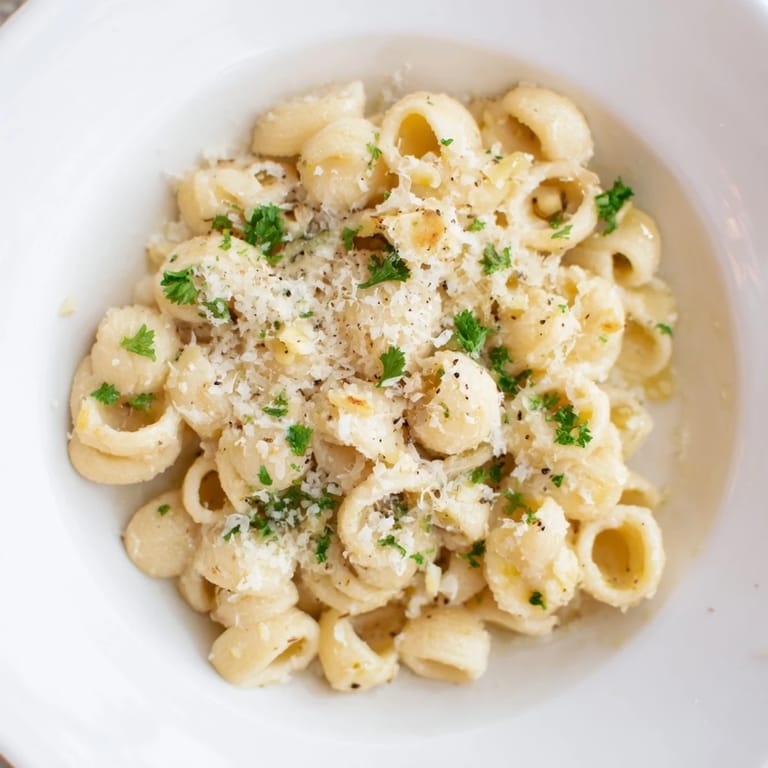
- Top with fresh parsley and extra Parmesan, then eat immediately while the heat is still there and the sauce is at its most elegant.
 Save
Save I made this for someone going through a rough week, and watching them visibly relax as they ate felt like I'd done something important. Pasta with a good sauce isn't fancy, but it reaches people in a way that careful cooking sometimes does—it says someone spent time on you, and that matters.
Why This Works When You're Tired
There's something about this dish that doesn't demand your attention once you've started it. The pasta boils on its own, the sauce comes together in minutes, and by the time you've set the table, dinner is ready. It's the kind of cooking that builds confidence because there are no tricky techniques, just ingredient quality and a little care with timing.
Flexibility and Variations
I've added roasted mushrooms when I had them, stirred in cooked chicken for protein, and once threw in some spinach at the very end just because it was there. The sauce is forgiving enough to handle additions without falling apart, which is part of its charm. You could also try whole wheat pasta for a slightly nuttier texture, or add a squeeze of lemon juice if the dish feels too heavy.
Pairing and Serving
This pasta is perfect alongside a simple green salad dressed with sharp vinaigrette to cut through the richness, and something cold to drink really does make the meal feel complete. The beauty of ditalini creamy garlic is that it's cozy enough for a quiet night in but also impressive enough to serve to people you want to impress without stressing yourself out.
- A crisp white wine like Pinot Grigio or Sauvignon Blanc pairs beautifully with the creamy sauce.
- Make sure your skillet is large enough to comfortably toss everything together without splashing.
- Leftover sauce keeps in the refrigerator for three days, though the pasta gets softer—reheat gently with a splash of milk or broth.
 Save
Save This is the kind of recipe that gets better the more you make it, not because the instructions change but because you start trusting your instincts about when things are done. Cooking is partly following directions and partly learning what feels right in your hands.