 Save
Save I'll never forget the moment my niece looked at the appetizer board at a science fair party and gasped—not because of the food, but because she recognized the elegant double helix pattern staring back at her. That's when I realized this wasn't just about arranging pretty ingredients; it was about bringing science to life on a plate. Now, whenever I need to impress both food lovers and curious minds, this DNA-inspired creation never fails to spark conversation and wonder.
I made this for my son's biology class celebration, and watching twelve-year-olds lean in to examine the cheese rungs—actually grasping what base pairs represent through food—reminded me that the best recipes do more than fill bellies. They teach, they surprise, they connect us to something bigger than ourselves.
Ingredients
- Black olives, pitted and sliced (100 g): These provide deep color contrast and earthy richness; I always pit them fresh rather than buying pre-pitted because they taste cleaner and stay firmer on the board
- Cherry tomatoes, halved (100 g): Their bright red creates the visual pop your DNA helix needs; cut them close to serving time so they don't weep
- Cucumber, thin half-moons (100 g): The refreshing crispness keeps everything from feeling heavy, and those pale green crescents echo the gentle curve of the helix beautifully
- Roasted red peppers, sliced (100 g): Buy them jarred if you're short on time—their sweetness and silky texture add luxury without extra work
- Smoked salmon or marinated tofu strips (100 g, optional): This is where you choose your protein path; salmon brings elegance, tofu keeps it plant-based and equally stunning
- Mozzarella cheese, thin strips or small cubes (150 g): Use fresh mozzarella if you can find it—those rungs will taste delicate instead of rubbery, and they're your visual connectors, so quality matters here
- Cheddar cheese, thin strips or small cubes (100 g): The sharp, golden color creates perfect contrast against the mozzarella rungs; slice it while it's slightly cold for cleaner edges
- Fresh basil leaves (50 g): These aren't just garnish—they add aromatic life to every bite and their green picks up the cucumber and pepper tones
- Crackers or gluten-free crackers (50 g, optional): Choose something sturdy enough to hold toppings; water crackers let the components shine without competing flavors
- Olive oil (1 tbsp): A light drizzle just before serving adds glossy beauty and helps flavors bloom together
- Freshly ground black pepper, to taste: Ground fresh in the moment—it makes an invisible difference in how alive everything tastes
Tired of Takeout? 🥡
Get 10 meals you can make faster than delivery arrives. Seriously.
One email. No spam. Unsubscribe anytime.
Instructions
- Prepare your canvas:
- Start with a large, clean serving board or platter—this is your laboratory. If you're serving 6, you'll want something at least 18 inches long so your helix has room to breathe and twist naturally across the surface.
- Lay down your first strand:
- Choose your most striking ingredient—I usually start with black olives—and arrange them in a long, gently curving line across the board. Don't make it perfectly straight; a slight wave is what makes it feel alive and DNA-like. Leave about 3 inches of space beside this line for your second strand.
- Build the opposing strand:
- Create a second parallel line using something with contrasting color, like bright red cherry tomatoes. Mirror the curve of your first line, staying roughly 3 inches away. This is when the magic starts; you'll see the double helix framework emerging.
- Add depth and contrast:
- Now weave in cucumber slices and roasted pepper strips between and around your main lines, slightly overlapping to fill space and build visual richness. If using smoked salmon or tofu, create accent lines that emphasize the helical twist. Step back and look—does it feel balanced, or does one side need more visual weight?
- Place your cheese rungs:
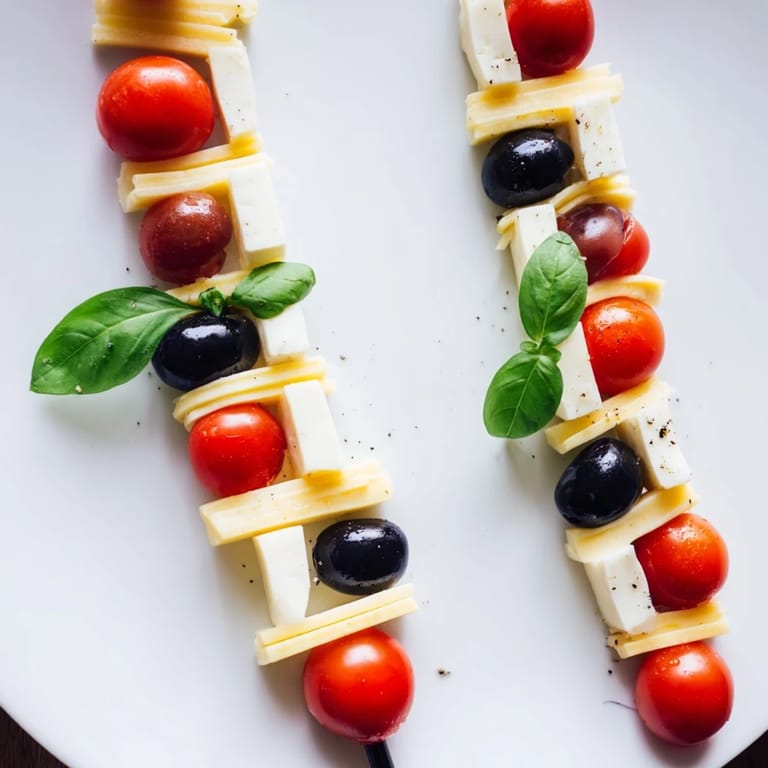
- Here's the satisfying part: arrange your mozzarella and cheddar strips perpendicular to your ingredient lines, spacing them about 2 inches apart. These are your base pairs, the connectors that make this a DNA helix rather than just two lines of food. Alternate cheese types for visual rhythm.
- Tuck and garnish:
- Nestle fresh basil leaves along both strands, tucking them into the natural gaps. They should look like they naturally belong there, adding green life and fragrance to your creation.
- Finish with grace:
- Just before serving, drizzle the olive oil lightly across the entire arrangement—not drenched, just a delicate sheen that makes everything glisten. Crack fresh black pepper over everything. Serve with crackers on the side if you're using them, arranged so guests can build bites however they wish.
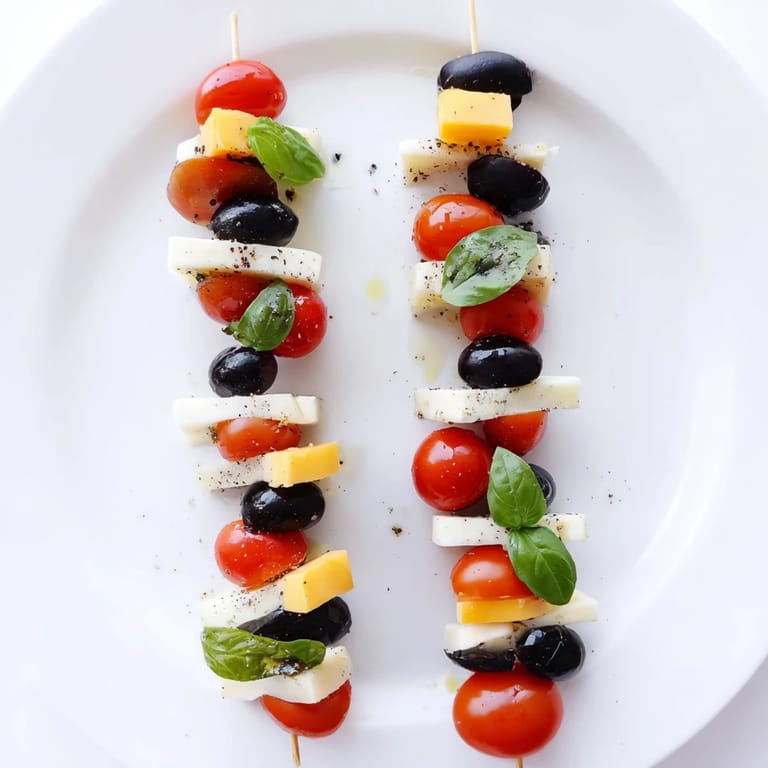 Save
Save The real magic happened when someone tasted this at a fundraiser and then asked their kid about the science behind it—suddenly dinner table conversation turned into a beautiful intersection of food and learning. That's when I understood why this recipe had stayed in my rotation; it gives permission for people to engage with food as more than sustenance.
The Story Behind the Science
Creating this appetizer taught me something about visual storytelling. When you arrange food into a recognizable pattern, especially one as iconic as DNA's double helix, you're not just feeding people—you're speaking their language. Whether your guests are biology enthusiasts, curious kids, or simply people who appreciate thoughtful presentation, this arrangement bridges the gap between art and appetite. The beauty is that every element serves dual purpose: each ingredient tastes genuinely delicious while also contributing to the overall visual narrative.
Flavor Pairing Philosophy
What surprised me most while developing this recipe was how the cheese rungs act as flavor anchors. They're not just connectors visually—mozzarella's mild creaminess lets the vegetable brightness shine, while cheddar's sharpness adds an unexpected depth that makes you want another bite. The key to success is choosing ingredients that contrast not just in color but in taste and texture. Crisp cucumber against soft roasted pepper, briny olives against sweet tomato, aromatic basil threading through everything—these combinations create an experience that lingers.
Making It Your Own
The framework here is deliberately flexible because the beauty of this recipe lies in the helix structure, not rigid ingredient requirements. I've made versions with marinated artichoke hearts instead of roasted peppers, used both white and aged cheddar for deeper complexity, and even incorporated thinly shaved fennel for unexpected crispness. The rules are simple: maintain high color contrast between your two strands, keep your cheese rungs perpendicular and evenly spaced, and make sure every ingredient tastes fresh and vibrant. Beyond that, your imagination is the only limit.
- For vegan guests, swap cheeses for nut-based alternatives or use sliced avocado as your rung connector—it's surprisingly effective
- If serving at a science-themed event, print a small card explaining the DNA connection and place it beside the board; people love the educational moment
- Prep all your cutting and slicing 2 hours ahead, storing each ingredient in separate containers, then assembly becomes a 10-minute moment of mindful arrangement
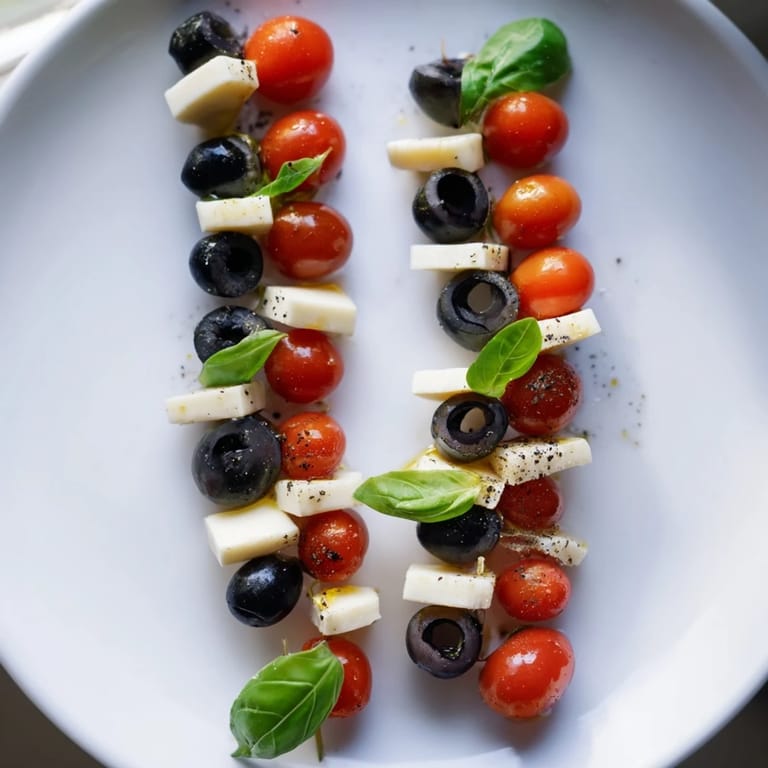 Save
Save Every time I serve this, I'm reminded that food is a conversation starter, a teaching tool, and a moment of connection all at once. This helix has fed curious minds and delighted palates in equal measure—and it can do the same for you.
Recipe FAQs
- → What ingredients create the double helix effect?
Alternating rows of black olives, cherry tomatoes, cucumber, roasted peppers, and optional smoked salmon or tofu form the lines, while mozzarella and cheddar strips connect them as rungs.
- → Can this appetizer accommodate dietary restrictions?
Yes, using marinated tofu and plant-based cheeses makes it vegan, and gluten-free crackers can be substituted to accommodate gluten sensitivities.
- → How is the dish assembled visually?
Two gently twisting parallel lines of contrasting ingredients are laid out on a serving board, connected at intervals by thin cheese strips arranged perpendicularly, resembling a DNA helix.
- → What flavors complement this preparation?
Fresh basil adds aroma, olive oil drizzled lightly enhances the richness, and freshly ground black pepper brings subtle heat to balance the dish.
- → Is cooking required for this dish?
No cooking is necessary; preparation involves slicing, arranging, and seasoning, making it perfect for quick assembly and fresh presentation.