 Save
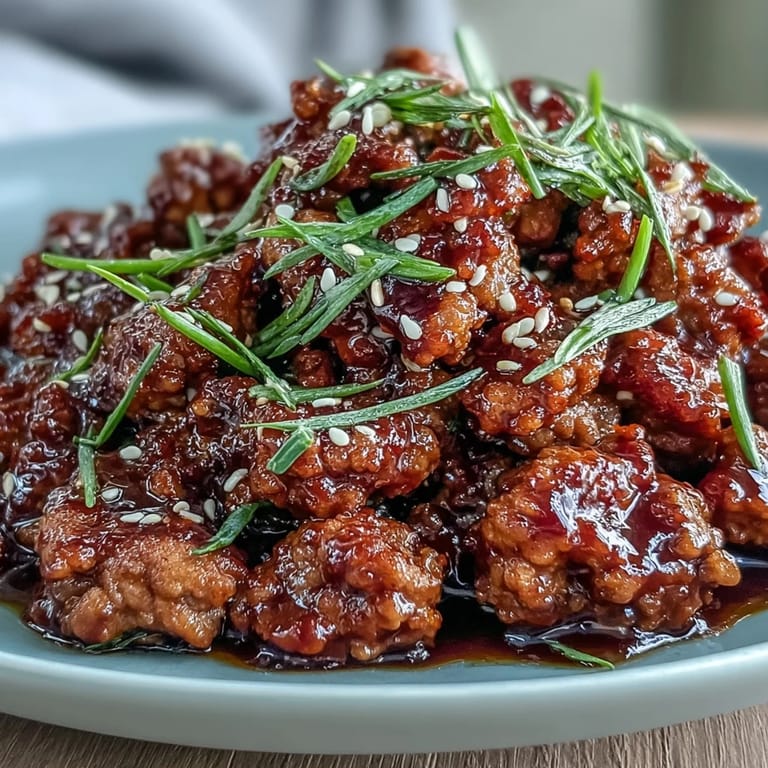
Save There's something oddly satisfying about the sizzle of garlic and ginger hitting hot sesame oil. I'd been stuck in a chicken breast rut when a friend texted me a photo of her weeknight dinner, a glossy skillet of spiced ground meat over rice, and I knew I had to try it. I grabbed ground turkey on a whim, thinking it would be lighter but just as flavorful. The kitchen smelled like a tiny Korean restaurant within minutes, and I've kept this recipe in my rotation ever since.
I made this for my sister once after she'd had a long day, and she stood at the stove with her bowl, eating straight from it before even sitting down. She kept saying it tasted like comfort but with a kick, which is exactly what I love about it. Now every time she visits, she asks if I have ground turkey in the fridge. It's become our unspoken signal for a low-effort, high-reward kind of night.
Ingredients
- Soy sauce: This is the backbone of the sauce, bringing deep umami and saltiness, so if you're watching sodium, go for low-sodium and you won't lose any flavor.
- Cornstarch: It thickens the sauce into that glossy, clingy coating that makes each bite satisfying instead of watery.
- Brown sugar: Just a touch balances the salty and spicy notes without making it sweet, and it helps the sauce caramelize slightly.
- Red chili flakes: These give a gentle, lingering warmth, start conservatively and add more at the end if you want more heat.
- Sesame oil: Its nutty aroma is unmistakable and irreplaceable, don't skip it or substitute with another oil.
- Garlic: Fresh is essential here, it blooms in the hot oil and perfumes the whole dish within seconds.
- Fresh ginger: Grated ginger adds brightness and a slight zing that dried ginger just can't replicate.
- Ground turkey: Lean, mild, and quick-cooking, it soaks up the sauce beautifully and keeps the dish light.
- Chives: They add a mild oniony freshness that cuts through the richness without overpowering anything.
- Sesame seeds: Toasting them beforehand releases their oils and adds a subtle crunch and nuttiness to every forkful.
Tired of Takeout? 🥡
Get 10 meals you can make faster than delivery arrives. Seriously.
One email. No spam. Unsubscribe anytime.
Instructions
- Mix the sauce:
- Whisk the soy sauce, cornstarch, brown sugar, and chili flakes in a small bowl until smooth and no lumps remain. This step takes 30 seconds but ensures the sauce won't clump when it hits the hot pan.
- Bloom the aromatics:
- Heat your skillet over medium-high, add sesame oil, then toss in garlic and ginger, stirring constantly for about 30 seconds until they smell toasty and fragrant. Don't walk away or they'll burn and turn bitter.
- Cook the turkey:
- Add the ground turkey and break it apart with your spatula, stirring occasionally until no pink remains, about 5 to 7 minutes. You want it crumbly and lightly browned in spots for the best texture.
- Coat with sauce:
- Pour in your prepared sauce and stir everything together, cooking on high for 2 to 3 minutes until the sauce thickens and coats the meat in a shiny glaze. If it gets too thick, a splash of water loosens it right up.
- Finish and garnish:
- Stir in most of the chopped chives, saving a pinch for the top, then remove from heat. Sprinkle with toasted sesame seeds and the reserved chives just before serving for a fresh, vibrant finish.
 Save
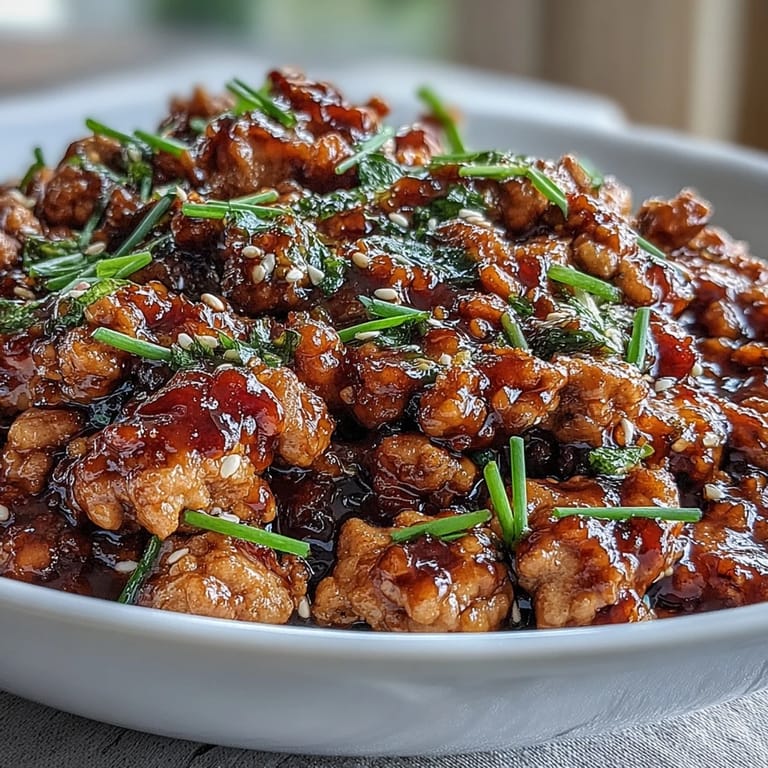
Save One evening I served this over brown rice with steamed broccoli on the side, and my partner looked up mid-bite and said it felt like eating at a cozy spot we'd visited in Seoul years ago. I hadn't been trying to replicate anything specific, but that spontaneous comparison made the dish feel like more than dinner. It became a little edible postcard, a way to travel without leaving the kitchen.
Serving Suggestions
I almost always serve this over a mound of hot steamed rice, white or brown, because the grains soak up every drop of that glossy sauce. A handful of quick-sautéed spinach or roasted carrots on the side adds color and a bit of vegetal sweetness that balances the savory richness. Sometimes I'll add a fried egg on top with a runny yolk, which turns it into an even more indulgent one-bowl meal.
Flavor Variations
If you want more complexity, stir in a spoonful of gochujang with the soy sauce for deeper, fermented heat and a hint of sweetness. Ground chicken or pork work just as well as turkey, though pork will be a bit richer and fattier. For a lighter, fresher twist, toss in snap peas or thinly sliced bell peppers during the last minute of cooking.
Storage and Reheating
This keeps well in an airtight container in the fridge for up to four days, and I've found it tastes even better after the flavors have had time to marry overnight. Reheat gently in a skillet with a splash of water to loosen the sauce, or microwave in short intervals, stirring in between. The sesame seeds and chives are best added fresh after reheating to keep their texture and brightness intact.
- Store the turkey mixture separately from rice and vegetables to keep everything from getting soggy.
- Freeze portions in individual containers for up to two months, then thaw overnight in the fridge before reheating.
- Garnish with fresh chives and a sprinkle of sesame seeds right before serving, even when reheating leftovers.
 Save
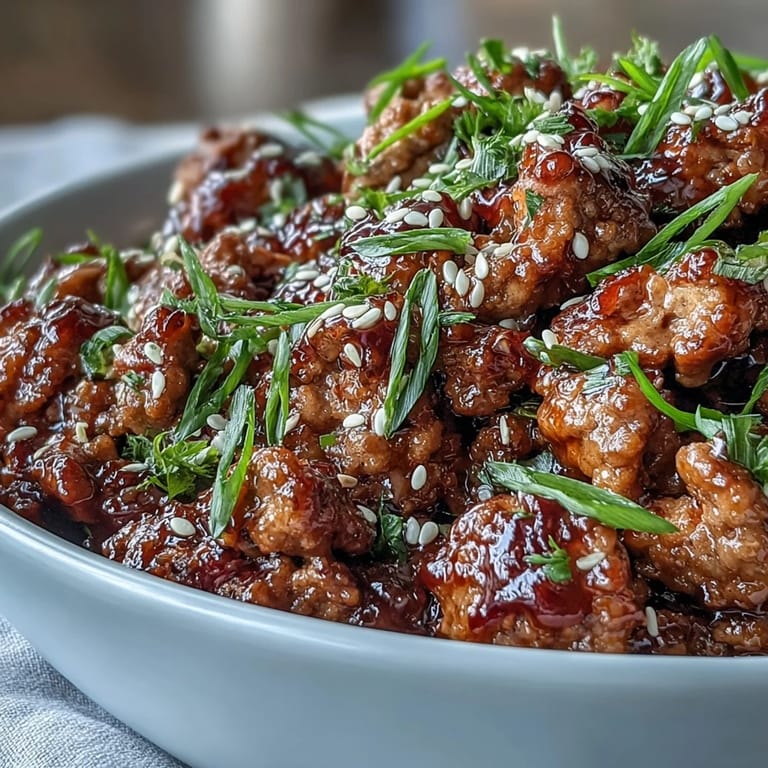
Save This dish has become my go-to whenever I need something fast, flavorful, and a little bit exciting without any fuss. I hope it finds a spot in your weekly lineup too.
Recipe FAQs
- → Can I make this dish less spicy?
Yes, simply reduce or omit the red chili flakes. You can always add heat at the table with extra chili flakes or gochujang for those who prefer spicier flavors.
- → What can I substitute for ground turkey?
Ground chicken, pork, or even lean beef work wonderfully. The cooking time remains the same, just ensure the meat is cooked through before adding the sauce.
- → How do I prevent the sauce from becoming too thick?
If the sauce thickens too much during cooking, simply add 1 tablespoon of water at a time and stir until you reach your desired consistency.
- → Can I prepare this ahead of time?
Absolutely. The turkey mixture stores well in the refrigerator for up to 3 days. Reheat gently in a skillet over medium heat, adding a splash of water to refresh the sauce.
- → Is this dish gluten-free?
It can be! Use certified gluten-free soy sauce or tamari instead of regular soy sauce. Always check labels on all ingredients to ensure they meet gluten-free standards.
- → What vegetables pair best with this dish?
Steamed broccoli, sautéed spinach, bok choy, or julienned carrots complement the Korean flavors beautifully. You can also add kimchi for an authentic touch.