 Save
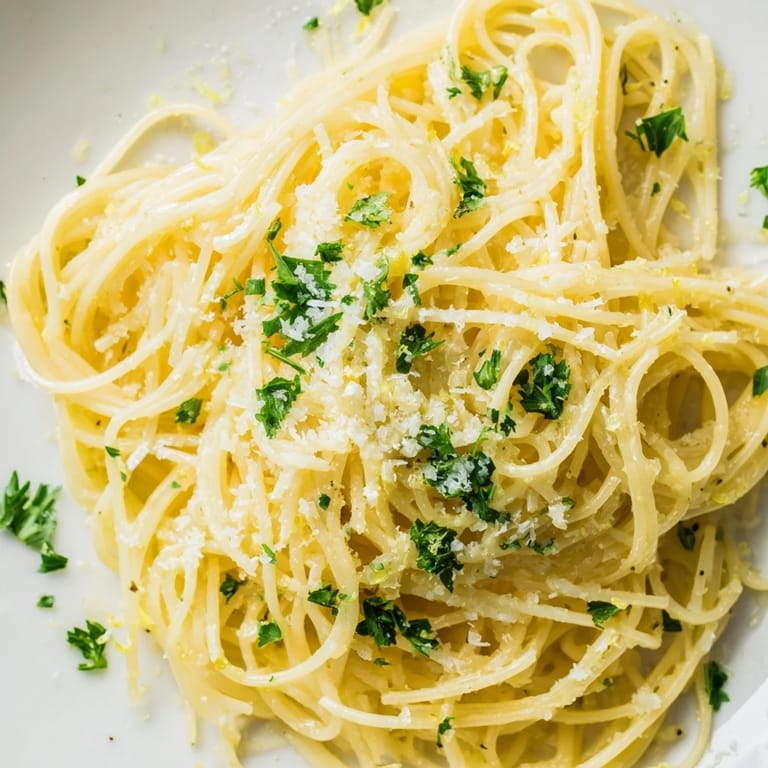
Save The first time I made lemon butter pasta, I'd just received a microplane as a gift and was itching to use it. The bright scent of lemon zest filled my tiny apartment kitchen as I awkwardly grated, occasionally catching my knuckle in my enthusiasm. Something magical happened when that zest hit the melted butter – the aroma transformed from simply citrusy to something almost ethereal, buttery and bright simultaneously. Even now, that distinctive fragrance signals a perfect weeknight reprieve.
Last spring, my friend Claire came over unannounced after a particularly rough day at work. Without thinking, I put water on to boil and reached for lemons - this pasta has become my culinary equivalent of a warm hug. We sat at my kitchen counter, glasses of pinot grigio in hand, as I twirled strands of glistening capellini around forks. The conversation flowed easier with each bite, the day's tensions melting away like butter in a warm pan.
Ingredients
- Capellini: I specifically recommend angel hair pasta here because its delicate texture absorbs the light lemony sauce perfectly without overwhelming it.
- Fresh lemons: Please use fresh lemons rather than bottled juice - the oils in the zest are absolutely essential for the aromatic quality of this dish.
- Unsalted butter: Starting with unsalted allows you to control the seasoning, and using good quality butter makes a noticeable difference in creating that silky, luxurious mouthfeel.
- Parmesan cheese: If possible, grate it yourself from a block rather than using pre-grated, which often contains anti-caking agents that prevent it from melting smoothly into the sauce.
- Pasta water: This starchy liquid is liquid gold - I always scoop some out before draining, as it helps emulsify the sauce and coat every strand of pasta.
Tired of Takeout? 🥡
Get 10 meals you can make faster than delivery arrives. Seriously.
One email. No spam. Unsubscribe anytime.
Instructions
- Prep your workspace:
- Before turning on any heat, zest and juice your lemons and have all ingredients measured and ready. Capellini cooks extremely quickly, so having everything prepped prevents any last-minute scrambling.
- Cook the pasta:
- Bring a large pot of water to a rolling boil, then add salt until it tastes like seawater. Add the capellini and set a timer for exactly 2 minutes for perfect al dente texture.
- Create the sauce base:
- While pasta cooks, melt butter in a skillet large enough to eventually hold all the pasta, then add olive oil, lemon zest and juice. Listen for the gentle sizzle as the lemon hits the hot fat – that sound means magic is happening.
- Marry the pasta and sauce:
- Using tongs, transfer the pasta directly from water to sauce, bringing along some pasta water. Gently swirl and toss until every strand is glossy with lemony butter, adding splashes of reserved pasta water if it seems dry.
- Finish with cheese and herbs:
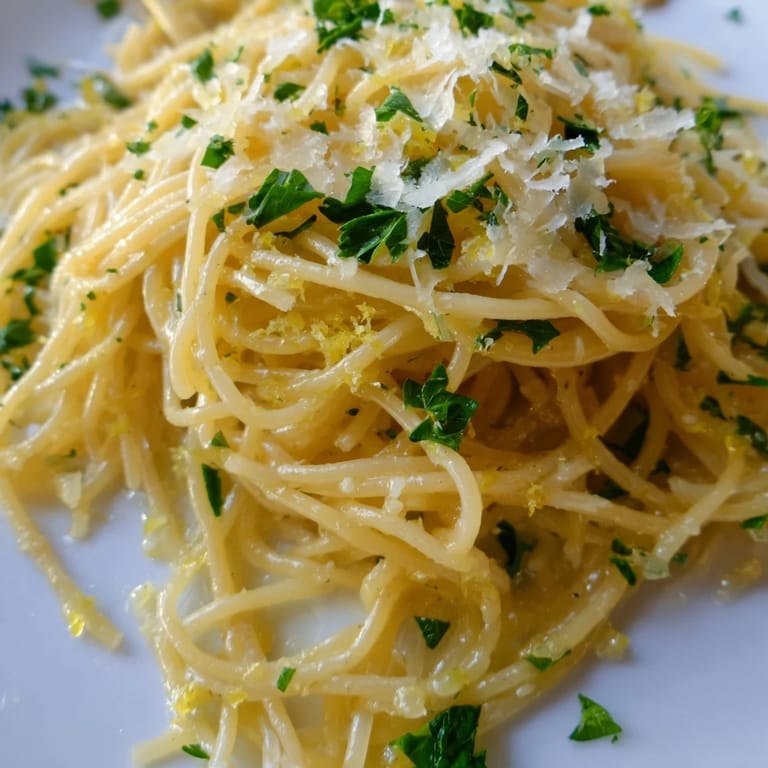
- Off heat, shower in the Parmesan and parsley, tossing gently until the cheese just begins to melt into the sauce. The aroma will intensify as the residual heat releases the parsley oils.
 Save
Save One evening while making this pasta, I accidentally knocked over my pepper grinder, sending way more black pepper into the sauce than intended. What could have been a disaster turned into a revelation - the extra pepper created a cacio e pepe-like quality that perfectly complemented the lemon. My partner and I devoured it in appreciative silence, interrupted only by occasional murmurs of approval. Some mistakes are worth making twice.
Customizing Your Lemon Pasta
This recipe serves as a perfect canvas for improvisation depending on what's in your kitchen. During summer months, I often toss in halved cherry tomatoes that burst slightly in the residual heat. In spring, blanched asparagus tips or fresh peas add sweet pops of color. For heartier appetites, quickly sautéed shrimp or flaked salmon transforms it into a protein-rich meal while maintaining its essential lightness.
Making It Ahead
While this pasta is at its absolute best served immediately, I've found a workable solution for meal prep or leftovers. Slightly undercook the pasta by about a minute, and make the sauce a touch looser with extra pasta water. When reheating, add a small splash of water and a tiny pat of butter, covering the pan to create some steam. Remarkably, it revives almost to its original glory, especially with a fresh grating of Parmesan.
Serving Suggestions
The bright acidity of this lemon pasta makes it pair beautifully with simple sides that won't compete with its delicate flavor profile. I've found a simple arugula salad dressed only with olive oil and flaky salt provides the perfect peppery counterpoint, while a crusty piece of garlic bread offers textural contrast. For wine pairings, stick with something crisp and bright that echoes the lemon notes without overwhelming them.
- If you're serving this for a dinner party, prepare all components ahead of time and do the final toss just before serving - the whole dish takes less than 5 minutes to finish.
- Warm your serving bowls or plates by rinsing them with hot water and drying them quickly before plating.
- Save your very best olive oil for drizzling over the finished plates - that final touch of fruity richness makes an enormous difference.
 Save
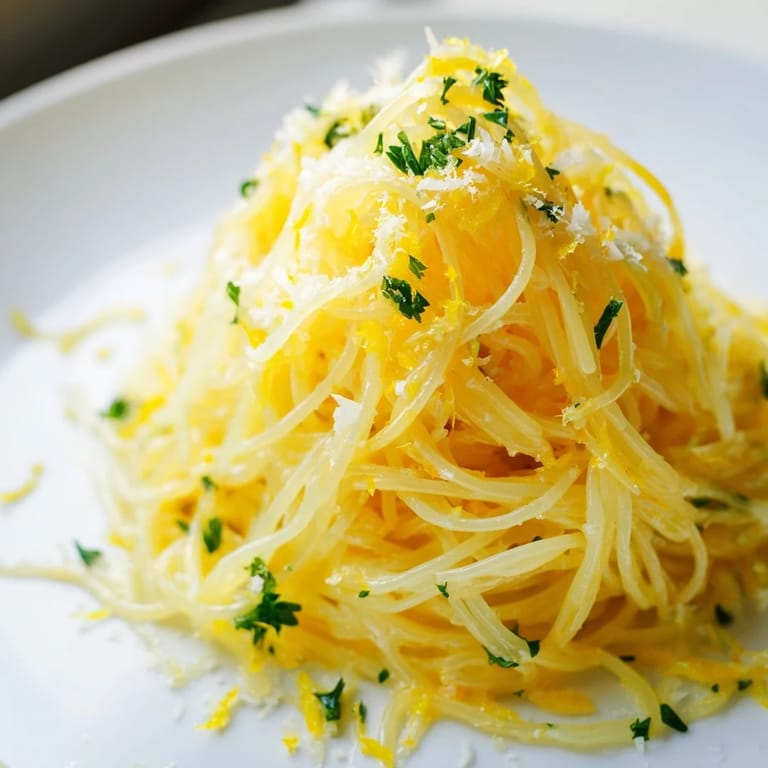
Save This lemon butter pasta reminds me that extraordinary food doesn't require extraordinary effort. Sometimes the simplest combinations - pasta, butter, lemon - create the most profound pleasure.
Recipe FAQs
- → Can I use a different type of pasta?
Yes, thin pasta like spaghettini or linguine works well. Adjust cooking time according to package instructions and ensure the pasta can absorb the light sauce properly.
- → How do I prevent the sauce from being too oily?
Use reserved pasta water to emulsify the butter and oil, creating a silky coating. Add it gradually while tossing until you achieve the desired consistency.
- → Can I make this ahead of time?
This dish is best served immediately. The delicate sauce can separate when reheated, though you can refresh leftovers with a splash of pasta water over low heat.
- → What proteins pair well with this dish?
Grilled shrimp, seared scallops, or pan-fried chicken breast complement the bright citrus flavors beautifully without overwhelming the light sauce.
- → How much lemon juice should I use?
Start with the juice from 2 large lemons (about 1/4 cup). Taste and adjust based on your preference for tanginess, keeping in mind the Parmesan adds saltiness.
- → Can I make this dairy-free?
Substitute vegan butter and use nutritional yeast or dairy-free Parmesan alternative. The olive oil helps maintain the sauce's richness without traditional dairy.