 Save
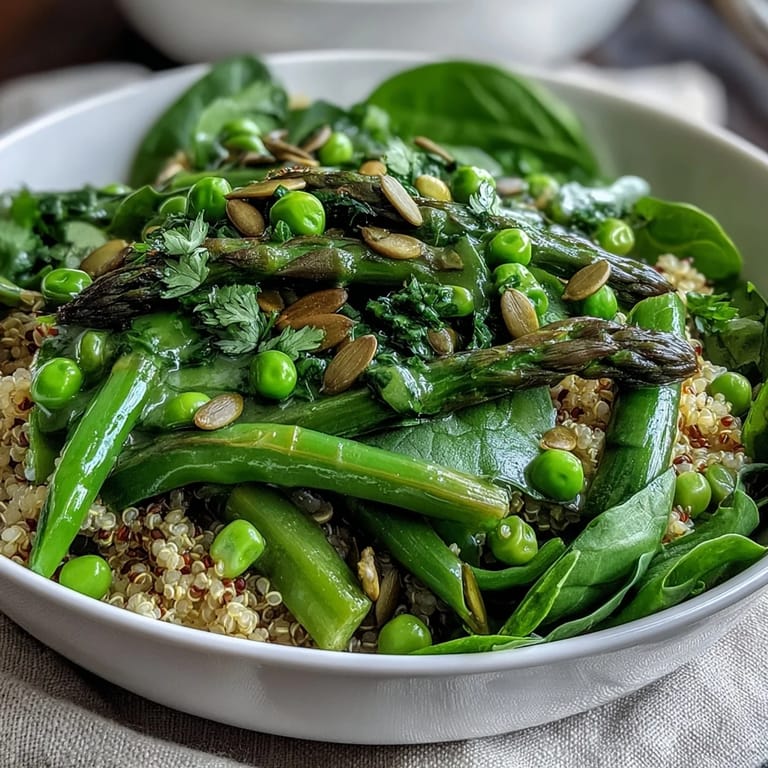
Save Last spring, I stood at the farmers market watching someone load their basket with the most brilliant green vegetables I'd seen all winter—crisp asparagus, tender peas, beans that looked like they'd been picked that morning. Something about that haul inspired me to build a bowl around those colors and flavors, and what emerged was this Spring Green Bowl, a dish that tastes like the season itself has been spooned into a grain base and dressed with sunshine. It's become my favorite way to celebrate when the earth finally remembers how to grow things worth eating.
I made this for my coworker Maya who mentioned she was tired of sad desk salads, and watching her actually sit down to eat something instead of scrolling through her phone reminded me why cooking for people matters. She came back the next day asking if I could teach her, so we made it together in her tiny kitchen with the window open and spring air coming through, and suddenly a bowl of vegetables felt like the most generous thing I could give.
Ingredients
- Quinoa, brown rice, or farro (1 cup): Choose your favorite grain base—quinoa cooks fastest and has a nutty bite, while brown rice feels more substantial and farro gives you a chewy texture that holds up beautifully.
- Water (2 cups) and salt (½ tsp): Salt in the cooking water seasons the grain from within rather than just dusting the surface, so don't skip it.
- Fresh peas (1 cup): Frozen peas work just as well as fresh and honestly cook more evenly, so don't feel guilty reaching for the frozen bag.
- Asparagus (1 cup, cut into 2-inch pieces): Trim the woody ends by snapping each spear where it naturally breaks, then cut the tender parts into pieces that are easy to eat.
- Green beans (1 cup, cut into 2-inch pieces): Look for beans that snap when you bend them—that's how you know they're fresh and will have the best texture.
- Baby spinach (2 cups): The wilting happens in seconds, so stay close and don't wander off thinking you have time—you don't.
- Extra-virgin olive oil (3 tbsp): Good olive oil makes the dressing taste like you know what you're doing, even if this is your first time.
- Freshly squeezed lemon juice (2 tbsp): Bottled lemon juice tastes tired compared to the real thing, and you'll taste the difference in every bite.
- Lemon zest (1 tsp): The zest holds the brightest lemon flavor, so use a microplane and don't be shy with it.
- Dijon mustard (1 tsp): This emulsifies the dressing and adds a subtle sharpness that makes everything taste more alive.
- Maple syrup or honey (1 tsp): Just a touch of sweetness balances the lemon's punch and brings all the flavors into harmony.
- Garlic clove (1 small, minced): Raw garlic in dressing can be intense, so go light and mince it fine so it distributes evenly.
- Salt and black pepper: Taste as you go—you might need more than you think to make the dressing sing.
- Toasted pumpkin or sunflower seeds (2 tbsp, optional): These add crunch and a subtle nuttiness that transforms the bowl from simple to satisfying.
- Feta cheese (¼ cup crumbled, optional): Omit for vegan, but if you're eating dairy, the tangy cheese plays beautifully against the sweet peas.
- Fresh herbs—mint, parsley, or dill (optional): Mint feels bright and fresh, parsley adds earthiness, and dill has a subtle anise note that pairs beautifully with lemon.
Tired of Takeout? 🥡
Get 10 meals you can make faster than delivery arrives. Seriously.
One email. No spam. Unsubscribe anytime.
Instructions
- Rinse and start your grains:
- Rinse your chosen grain under cold water to remove excess starch, then bring water and salt to a boil in a medium saucepan. Add the grains, lower the heat to a gentle simmer, cover, and let them cook undisturbed—about 15 minutes for quinoa, longer for rice or farro, until they're tender but still have character.
- Blanch the spring vegetables:
- Bring a large pot of salted water to a rolling boil and blanch the peas, asparagus, and green beans separately for 2 to 3 minutes each, watching for when they turn bright green and tender-crisp. Immediately shock them in ice water to halt the cooking, then drain and pat dry—this is the secret to vegetables that taste fresh rather than soft.
- Wilt the spinach quickly:
- Heat a large skillet over medium heat and add the baby spinach, stirring gently for just 1 to 2 minutes until it collapses into something tender and rich. Don't walk away from this step or you'll miss the moment between perfectly wilted and overcooked.
- Whisk together your dressing:
- In a small bowl, combine olive oil, lemon juice, zest, mustard, maple syrup, minced garlic, salt, and pepper, whisking until the mixture emulsifies and turns slightly cloudy. Taste it straight and adjust—it should make your mouth water with its balance of bright and rich.
- Layer and build your bowls:
- Divide the warm or room-temperature grains among four bowls, then arrange the blanched vegetables and wilted spinach on top in whatever pattern feels right. Drizzle generously with the lemon dressing so every bite has flavor running through it.
- Finish with joy:
- Top each bowl with toasted seeds for crunch, crumbled feta if you're using it, and a generous handful of fresh herbs. Serve right away while the grains are still warm and the greens still have their color.
 Save
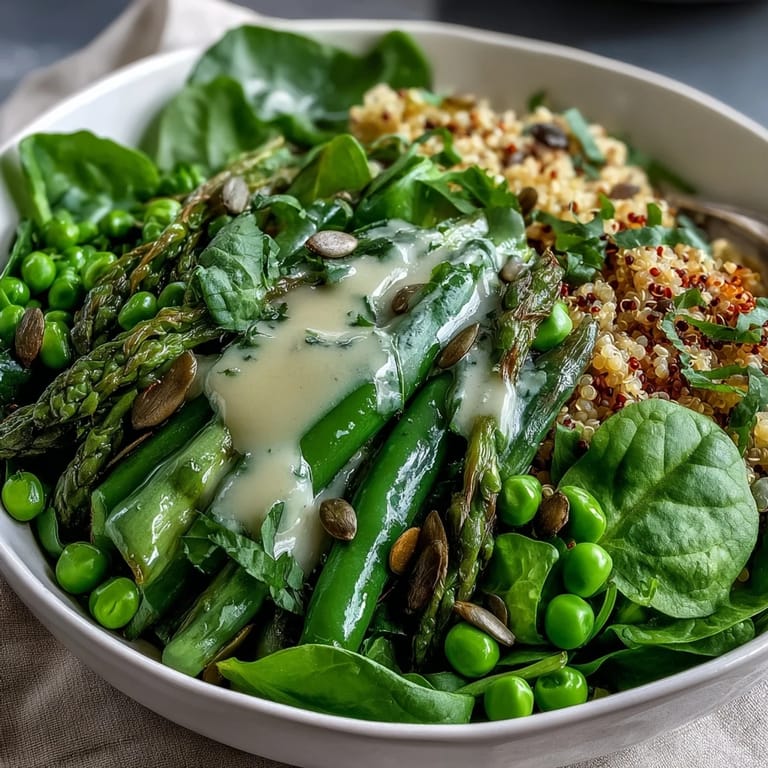
Save There's a moment when you're plating these bowls where all that color—the bright green peas, the asparagus spears, the spinach catching the light—suddenly looks less like vegetables and more like something you made with intention and care. That's when this stops being just a healthy meal and becomes something you wanted to create.
Why This Works as a Spring Meal
Spring vegetables have this delicate quality that disappears if you overcook them even slightly, which is why blanching them separately and keeping them separate until you eat is so important. The grains provide anchor and substance, while the lemon dressing pulls everything together with brightness that feels appropriate for a season when you're tired of heavy food. When all these elements come together warm and fresh, it doesn't feel like you're being virtuous—it just feels like eating something delicious that happens to be good for you.
Making It Your Own
This bowl is a template more than a recipe, which means you should absolutely swap vegetables based on what looks good at the market or what's hiding in your crisper drawer. Blanching the same way keeps everything tender-crisp no matter what you choose, so the technique is what matters more than the specific vegetables.
Serving and Storage Notes
If you're making this ahead—which you can—keep the dressing in one container and all the components in separate containers, assembling only when you're ready to eat. This prevents the grains from absorbing all the dressing and the vegetables from losing their brightness and crunch, and it means leftovers actually taste good the next day instead of like a sad pile of wet grain.
- Store components in separate airtight containers for up to three days, and the bowl tastes fresh when you reassemble it.
- The dressing stays good for a week, so make extra and use it on other salads, roasted vegetables, or grilled fish.
- If you're adding protein like grilled chicken or crumbled tofu, let that cool completely before storing so condensation doesn't make everything soggy.
 Save
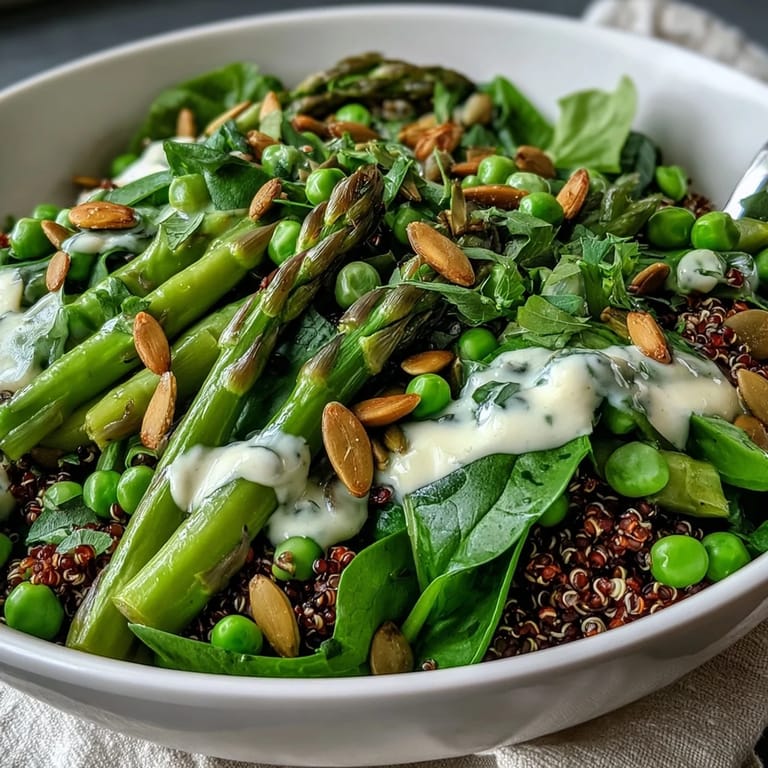
Save This bowl has become my answer to the question of what to cook when I want something nourishing that doesn't feel like punishment, something beautiful that's also practical. Come spring, you'll find yourself making it again and again.
Recipe FAQs
- → What vegetables work best in this bowl?
Fresh spring vegetables shine here—green peas, asparagus, green beans, and baby spinach create a vibrant mix. Feel free to add snap peas, broccolini, or shredded zucchini based on what's in season.
- → Can I make this ahead?
Yes! Prepare the grains and blanch the vegetables up to 3 days in advance. Store them separately in airtight containers. Keep the dressing in a jar and assemble just before serving for best texture.
- → What grains should I use?
Quinoa cooks fastest and adds protein. Brown rice offers nutty depth. Farro provides satisfying chew. Bulgur or couscous work beautifully too—choose based on time and texture preference.
- → How do I blanch vegetables properly?
Boil salted water, cook vegetables 2-3 minutes until bright and tender-crisp, then immediately plunge into ice water. This stops cooking and preserves that gorgeous green color.
- → Can I add protein?
Absolutely. Grilled chicken, baked tofu, roasted chickpeas, or a poached egg all complement the fresh flavors. For plant-based protein, try hemp seeds or edamame alongside the toasted pumpkin seeds.
- → Is the dressing essential?
The lemon dressing ties everything together with bright acidity and creaminess. If preferred, try a tahini-lemon blend or herb-packed green goddess dressing for equally delicious results.