 Save
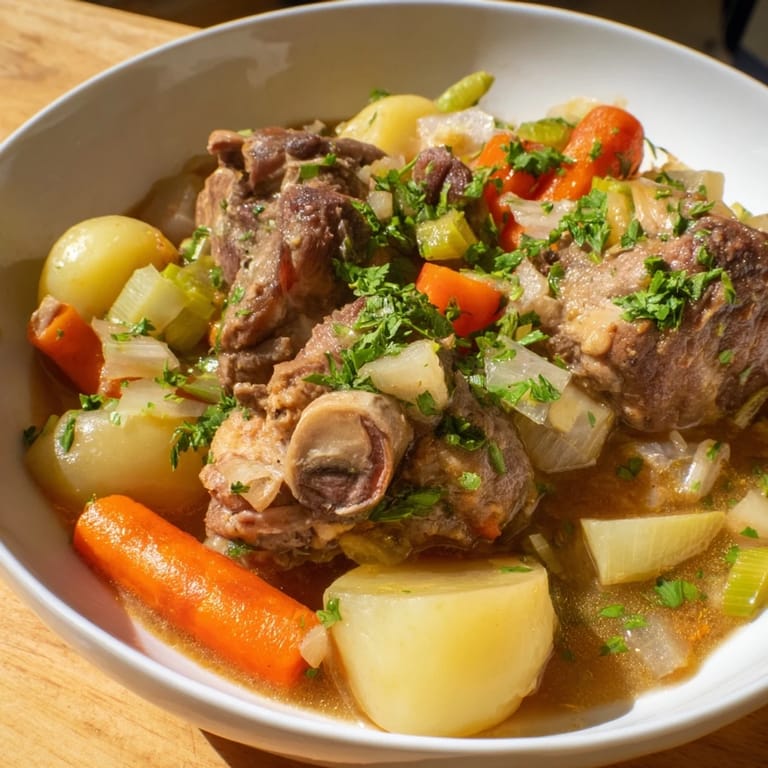
Save My grandmother's kitchen smelled like this stew every winter—that unmistakable blend of lamb fat, earthy root vegetables, and the sharp green of fresh leeks filling the air while she stood at the stove, stirring slowly and without hurry. She never measured anything, just knew when the pot needed attention, when the vegetables had softened enough, when a pinch more salt would make it right. Years later, I realized I was trying to recreate that exact smell, that exact patience, and once I stopped rushing and let the stew do what it wanted to do, the magic clicked into place.
I made this for my partner on a freezing Sunday when neither of us wanted to leave the house, and we ended up eating it straight from the pot while sitting on the kitchen tiles because the living room felt too far away. The warmth of it in our hands, the way the meat fell apart with just a spoon—that's when I stopped thinking of it as my grandmother's recipe and started thinking of it as mine.
Ingredients
- Lamb shoulder (1 kg, bone-in if possible): Bone-in meat gives you a richer, deeper broth than boneless ever could—I learned this the hard way after trying to save money once.
- Carrots (2 large, sliced): They'll break down slightly and sweeten the broth, so don't slice them too thin or they'll disappear entirely.
- Parsnips (2 medium, sliced): These add an earthy sweetness that balances the lamb beautifully, though they can overpower the dish if you use more than called for.
- Potatoes (2 medium, diced): Choose waxy potatoes if you can find them—they hold their shape better than floury ones and won't turn to mush.
- Swede (1 small, diced): It might seem like an odd choice if you've never had it, but it adds body and a subtle sweetness that defines proper Welsh cawl.
- Leeks (2, cleaned and sliced): Split them lengthwise and rinse between the layers because dirt hides in there, and adding it in two batches means fresh leek flavor right at the end.
- Onion (1 medium, diced): This is your flavor base—don't skip it even though you'll never taste it as a distinct onion by the end.
- Stock (1.5 liters chicken or lamb): Use the best you can afford because this is literally what becomes your soup, and weak stock makes weak cawl.
- Bay leaves (2): Remove them before serving or warn people—nobody wants to bite into one.
- Fresh parsley (1 bunch, chopped): Add half during cooking for depth and save the rest for garnish so it stays bright and fresh.
- Salt and black pepper: Taste as you go near the end because the stock may already be seasoned, and you don't want it oversalted.
Tired of Takeout? 🥡
Get 10 meals you can make faster than delivery arrives. Seriously.
One email. No spam. Unsubscribe anytime.
Instructions
- Get the lamb started:
- Drop your lamb pieces into a large pot and cover them with cold stock, then turn the heat up high until it reaches a rolling boil. You'll see gray foam rise to the surface—skim it off with a spoon because that's impurities and it'll make your broth cloudy if you leave it.
- Let it simmer gently:
- Add your bay leaves, turn the heat down so it's barely bubbling, and cover the pot. This is the hard part—resisting the urge to fiddle with it for a full hour. Walk away, make tea, trust the process.
- Add the roots:
- Drop in carrots, parsnips, potatoes, swede, onion, and most of the leeks (keep a handful back), then season with salt and pepper. The vegetables will release their own water, so don't panic if the liquid doesn't look abundant yet.
- Finish the cooking:
- Let it simmer for 45 minutes until the lamb shreds easily with a spoon and the vegetables are tender but not falling apart. You'll know you're close when the kitchen smells so good you can barely stand it.
- Final touches:
- Stir in the reserved leeks and parsley, then simmer for 10 more minutes just until the leeks soften slightly and brighten everything up with their green.
- Taste and serve:
- Fish out the bay leaves, taste it, adjust salt and pepper, and ladle it into deep bowls while it's piping hot. Fresh parsley on top makes it feel intentional.
 Save
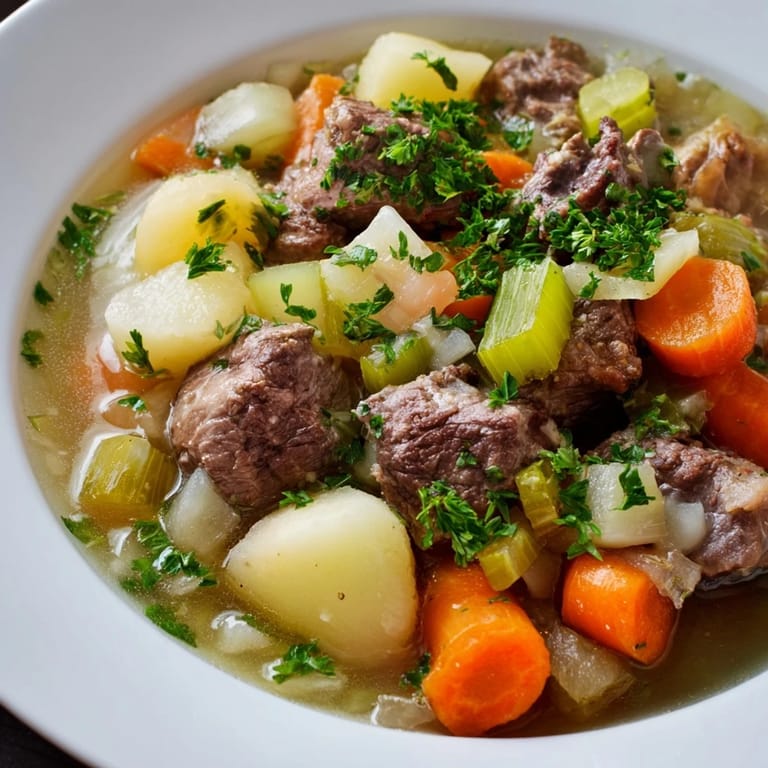
Save My friend who swore she didn't like lamb tried a bowl of this on a rainy evening and asked for the recipe before she'd even finished eating. That moment told me it wasn't really about the ingredient—it was about the care baked into the whole process, the way slow cooking transforms tough cuts into tenderness.
Why This Stew Matters
Cawl isn't fancy or trendy, but it's been feeding Welsh families through hard winters for centuries, and there's something grounding about that continuity. You're not cooking something new or experimental—you're cooking something proven, something that works, something that shows up for people the way it's shown up for generations.
Making It Your Own
The beauty of cawl is that it's forgiving enough to bend without breaking. Some people add celery, some swap the swede for turnip, some use only beef, and it's still cawl because the fundamental idea is sound—slow-cooked meat and vegetables that become something greater than their parts.
Storage and Serving
This stew keeps beautifully in the fridge for four days and freezes even better, so make a double batch and thank yourself later when you need comfort food with zero effort. Reheat it gently over medium heat with a splash of water if it's thickened too much, and serve it in whatever vessel makes you happiest—a beautiful bowl, a mug, straight from the pot.
- Crusty bread or cheese on the side is traditional and perfect for soaking up the broth.
- Leftovers actually taste better than the first night, so plan to enjoy this for days.
- This freezes for up to three months, so it's a gift to your future self on busy evenings.
 Save
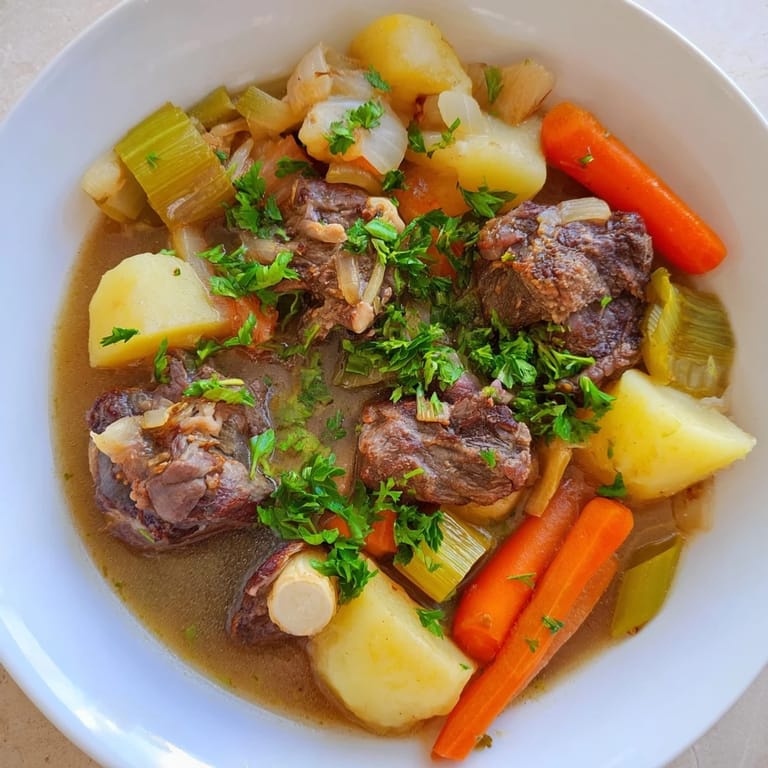
Save Make this when someone needs feeding, when the weather is miserable and your mood needs lifting, or when you just want to feel connected to something older and wiser than yourself. A bowl of proper cawl is an argument made quietly in favor of patience.
Recipe FAQs
- → What cut of meat is best for Welsh cawl?
Lamb shoulder with bone-in is preferred for its rich flavor and tenderness when slow-cooked.
- → Can other meats be used instead of lamb?
Yes, beef or chicken can substitute lamb for a lighter or different flavor profile.
- → Which vegetables are traditionally included?
Root vegetables like carrots, parsnips, potatoes, swede, along with leeks and onion, form the base of this dish.
- → How long should the stew simmer?
Simmer the meat for about an hour before adding vegetables, then continue simmering for 45 minutes until tender.
- → What garnishes complement this dish?
Fresh parsley adds brightness, and it’s often served with crusty bread or traditional Welsh cheese on the side.