 Save
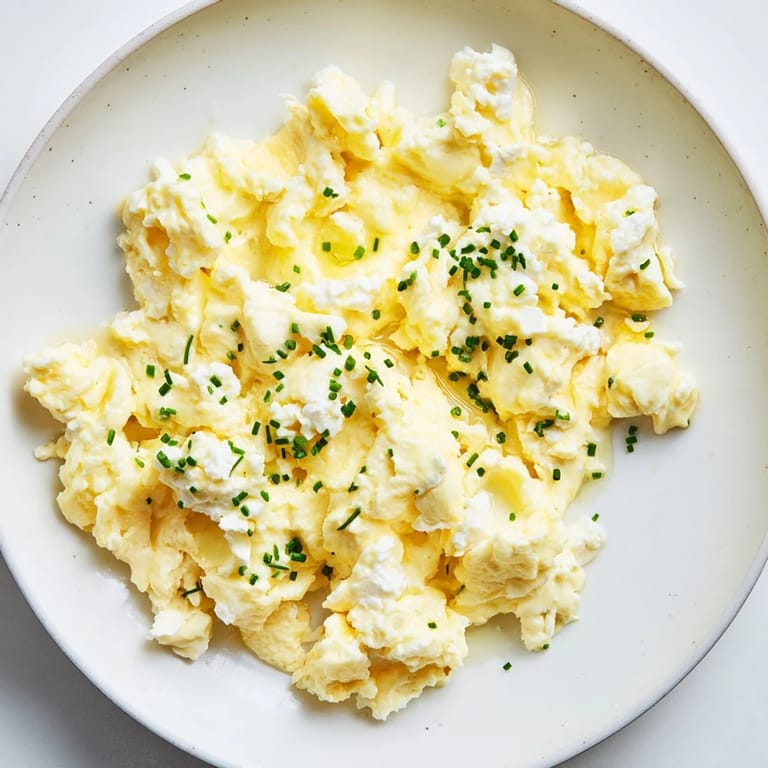
Save One morning, I was standing in front of my open fridge, bleary-eyed and hungry, when I spotted a container of cottage cheese I'd bought for a salad that never happened. On impulse, I whisked it straight into my eggs, and something magical happened—they became impossibly fluffy and creamy, like clouds made of protein. My kitchen smelled like butter and promise, and I realized I'd stumbled onto something too good to keep to myself. Now this is how I make scrambled eggs when I want them to feel special, even on the most ordinary Tuesday morning.
I made this for my sister when she was visiting last spring, and she actually put her fork down to ask what I'd done differently. I remember feeling a little smug admitting it was cottage cheese, and then laughing when she said she thought I'd discovered some fancy French technique. We ate the whole pan standing by the kitchen window, watching the rain, and she asked for the recipe before she left.
Ingredients
- 4 large eggs: Use room temperature if you can—they blend more smoothly with the cottage cheese and create an airier texture.
- 1/3 cup cottage cheese (preferably full fat): This is the secret. Full fat creates silkier eggs; low-fat versions work but taste a bit chalky in comparison.
- 1 tablespoon milk or cream: A splash helps loosen the mixture so it cooks evenly and stays creamy.
- 1/4 teaspoon salt and 1/8 teaspoon black pepper: Freshly ground pepper makes all the difference here—pre-ground tastes dusty.
- 1 tablespoon unsalted butter: Use real butter; it's only 10 minutes of cooking, so quality actually matters.
- Chives or parsley (optional): A little green on top makes this feel finished and adds a fresh bite.
Tired of Takeout? 🥡
Get 10 meals you can make faster than delivery arrives. Seriously.
One email. No spam. Unsubscribe anytime.
Instructions
- Mix your base:
- In a medium bowl, whisk the eggs, cottage cheese, milk, salt, and pepper together until everything is combined and the mixture looks slightly frothy on top. Don't overthink it—you're just bringing everything together, and the cottage cheese should break down into small curds.
- Heat your pan gently:
- Melt the butter in your nonstick skillet over medium-low heat. You want it bubbling softly, not violently—this is a low-and-slow situation where patience pays off with creamy results.
- Pour and pause:
- Pour the egg mixture into the pan and let it sit undisturbed for about 20 seconds. This gives the bottom a chance to set slightly, which helps create those beautiful curds.
- Stir with intention:
- Using a spatula, gently push the eggs from the edges toward the center in a slow, sweeping motion. Wait a few seconds, then stir again—this rhythm is what creates that fluffy texture.
- Cook until just-set:
- Keep stirring occasionally for 2 to 3 minutes total, watching for the moment when the eggs look mostly set but still gleam with moisture. The second they look done, they're usually overcooked, so pull them off the heat just before.
- Plate and garnish:
- Transfer to plates immediately and sprinkle with chives or parsley if you have them. Serve right away while they're still warm and pillowy.
 Save
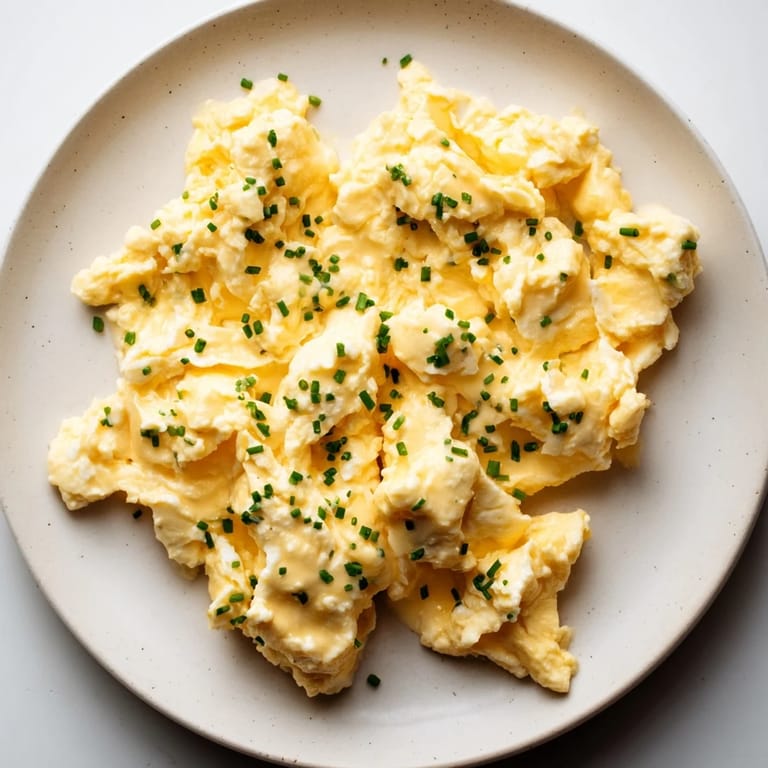
Save There's something quietly wonderful about realizing that a mistake—adding cottage cheese on a whim—turned into something you crave. This dish became my comfort breakfast, the one I make when I want to feel taken care of without any fuss.
Why This Works So Well
The magic of cottage cheese in scrambled eggs comes down to moisture and protein. Cottage cheese holds water and fat, which means it keeps the eggs creamy instead of letting them dry out as they cook. It also adds significant protein without changing the flavor profile—you taste eggs and butter, not cottage cheese. This is why the result feels lighter and fluffier than regular scrambled eggs, even though it's actually more substantial.
Making It Your Own
The beauty of this recipe is that it's a clean canvas for whatever you're craving. I've stirred in sautéed spinach, a handful of smoked salmon, crumbled feta, or sautéed mushrooms, and every version feels completely different. Sometimes I add a pinch of smoked paprika or fresh dill into the egg mixture before cooking. The cottage cheese base is so forgiving that you can get creative without worrying about throwing off the balance of the dish.
Serving Suggestions
These eggs are rich enough to stand on their own, but they're even better with something on the side to balance them. I usually toast thick-cut whole-grain bread and slather it with butter, or slice an avocado and sprinkle it with fleur de sel. Sometimes I pair them with fresh fruit to cut through the richness, or a simple salad if I'm eating this for brunch instead of breakfast.
- Pair with buttered toast, avocado slices, or a small side salad to complete the meal.
- Make this the night before a busy morning by prepping the egg mixture in a jar and storing it in the fridge—just give it a quick whisk before cooking.
- Double or triple the recipe easily; just remember to add a minute or two to the cooking time if you're making a larger batch.
 Save
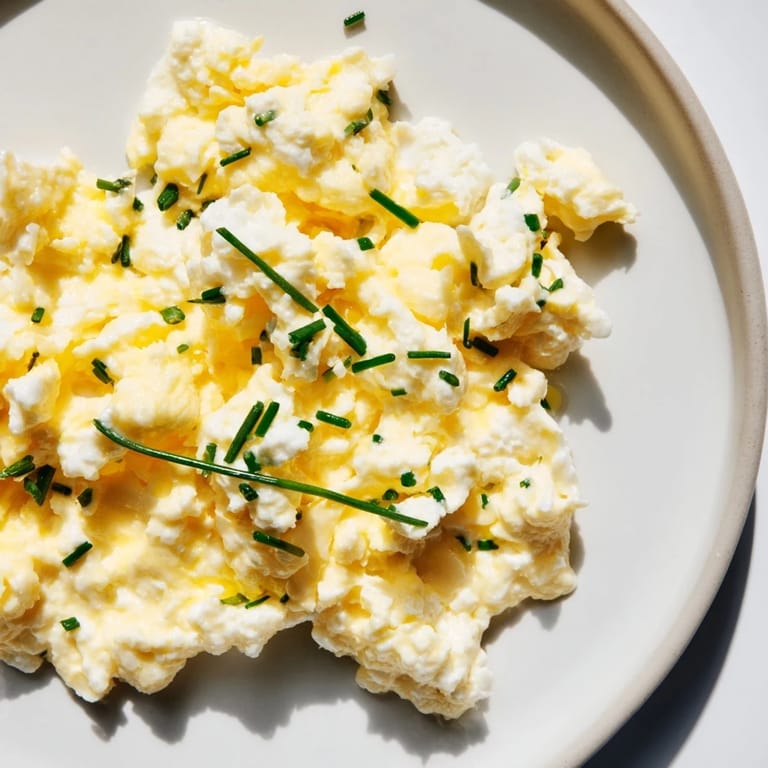
Save This breakfast feels like a small kindness you give yourself, and it only takes 10 minutes. Make it when you need something nourishing, something that tastes like it came from care instead of habit.
Recipe FAQs
- → How do you make the eggs extra fluffy?
Whisking the eggs with cottage cheese and a bit of milk creates a creamy mixture that cooks softly, resulting in extra fluffy eggs.
- → Can I use low-fat cottage cheese for a lighter dish?
Yes, low-fat cottage cheese works, but full-fat adds more creaminess and richness to the texture.
- → What is the best way to cook these eggs?
Cook them over medium-low heat and stir gently to keep the eggs soft and creamy without drying out.
- → Are there any good add-ins to enhance flavor?
Chives, parsley, sautéed spinach, tomatoes, or smoked salmon can add freshness and depth of flavor.
- → How long should I cook the eggs for optimal texture?
Cook for about 2–3 minutes until the eggs are just set but still soft and creamy.