 Save
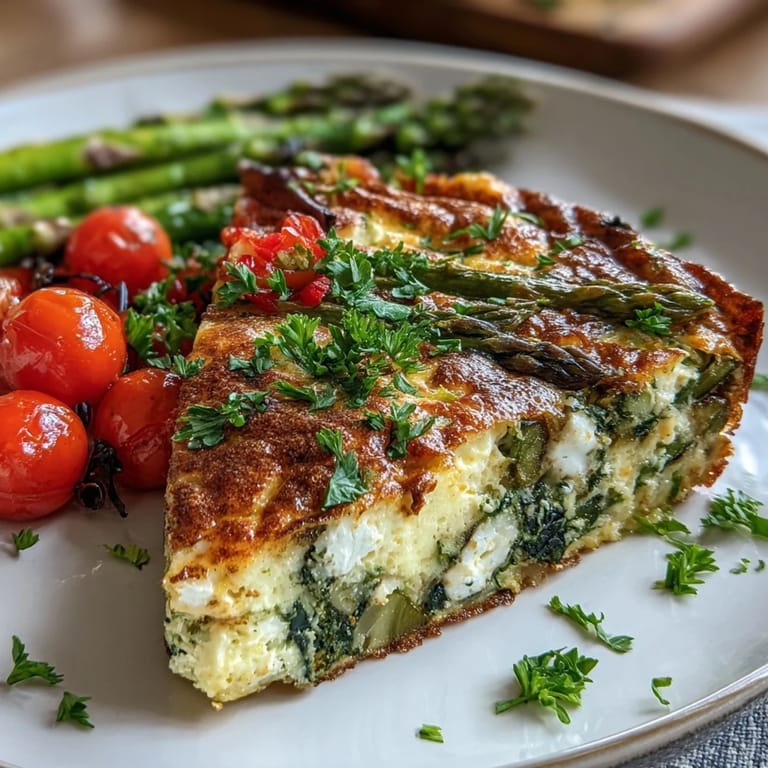
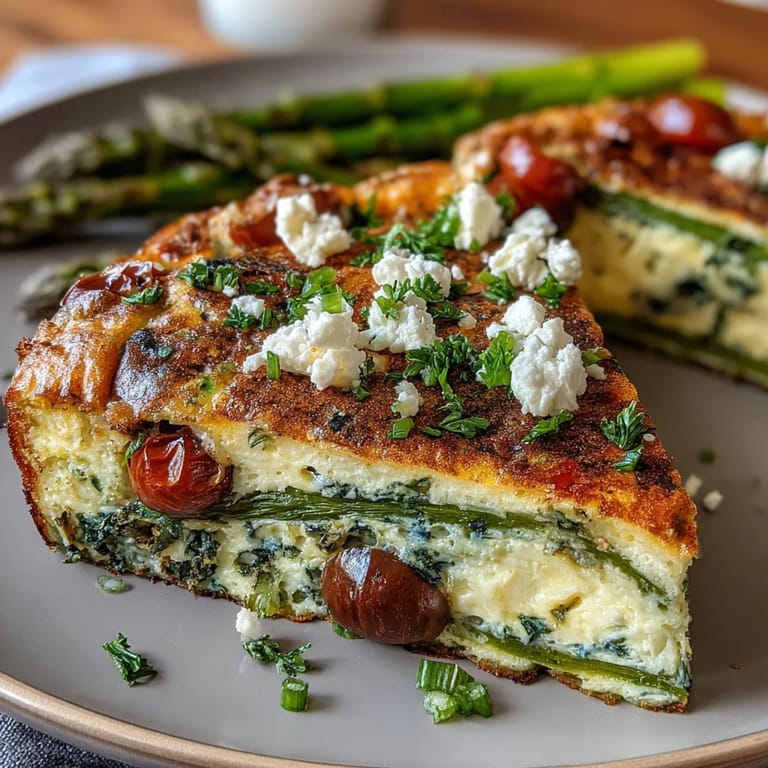
Save There's something about spring that makes me want to crack open a dozen eggs and toss everything green into a pan. One Saturday morning, I had a handful of asparagus tips left over from dinner, some spinach that was about to turn, and this wild impulse to not waste a thing. That's when this frittata happened, and honestly, it's become my secret weapon for feeding people without making a fuss. It's the kind of dish that looks impressive but asks almost nothing of you.
I made this for my neighbor who'd just moved in during late April, and we ate it straight from the skillet on her patio while the lilacs were blooming. She kept asking what the secret was, and I realized it was just the contrast of the cool feta hitting the warm eggs, the way the herbs cut through everything. She's made it probably a hundred times since then.
Ingredients
- Asparagus: Cut into bite-sized pieces so they cook evenly and keep that delicate snap; thin stalks cook faster than thick ones, so adjust your timing accordingly.
- Baby spinach: The tender kind wilts in seconds, so add it late or you'll end up with something that tastes like sadness.
- Cherry tomatoes: Halved and stirred in at the end, they burst slightly and release their sweetness without becoming watery.
- Zucchini: Dice it small enough that it softens completely in a few minutes, because nobody wants chunks of raw squash in their eggs.
- Red onion: Finely chopped so it disappears into the background and adds sweetness rather than crunch.
- Eggs: Six large ones beaten with milk create a custard-like base that fills every gap and holds the vegetables in place.
- Milk: A quarter cup makes the eggs fluffy and tender; if you're dairy-free, oat milk does the same trick without any weird aftertaste.
- Feta cheese: Crumbled generously on top where it gets slightly crispy and adds that salty, tangy note that makes people say yes to seconds.
- Fresh parsley and chives: Added raw at the very end so they stay bright and punchy instead of turning dark and bitter.
- Olive oil: Just enough to coat the pan and build a golden bottom layer where the vegetables kiss the heat.
Tired of Takeout? 🥡
Get 10 meals you can make faster than delivery arrives. Seriously.
One email. No spam. Unsubscribe anytime.
Instructions
- Get your oven ready:
- Set it to 375°F and let it preheat while you prep your vegetables. This gives you a hot oven waiting when you need it.
- Start the vegetables:
- Heat olive oil in your oven-safe skillet over medium heat, then add the red onion and let it soften for about two minutes. You'll smell it getting sweet and fragrant, which is your sign it's ready for the next batch.
- Build your vegetable base:
- Add the asparagus and zucchini with a tiny pinch of salt, stirring every minute or so until they're just tender, about three to four minutes. Don't walk away; you want to catch them before they get mushy.
- Add the delicate greens:
- Stir in the spinach and cherry tomatoes and cook for just a minute or two until the spinach looks like it's given up its crunch. The tomatoes will start to blush and soften.
- Mix your egg custard:
- In a bowl, whisk together the eggs, milk, salt, black pepper, and red pepper flakes until they're smooth and uniform. This is where you're building the structure that holds everything together.
- Pour and layer:
- Pour the egg mixture evenly over all the vegetables, then scatter the feta, parsley, and chives across the top. Let it sit on the stovetop for two to three minutes until the edges start to look set and solid.
- Finish in the oven:
- Transfer the whole skillet to your hot oven and bake for ten to twelve minutes until the center is just set and the top has turned a light golden color. You're looking for a gentle jiggle in the very middle, not a soupy mess.
- Rest and serve:
- Let it cool for a few minutes so the eggs can firm up slightly, then slice it into wedges like a pizza. It's delicious warm, room temperature, or even cold the next day.
 Save
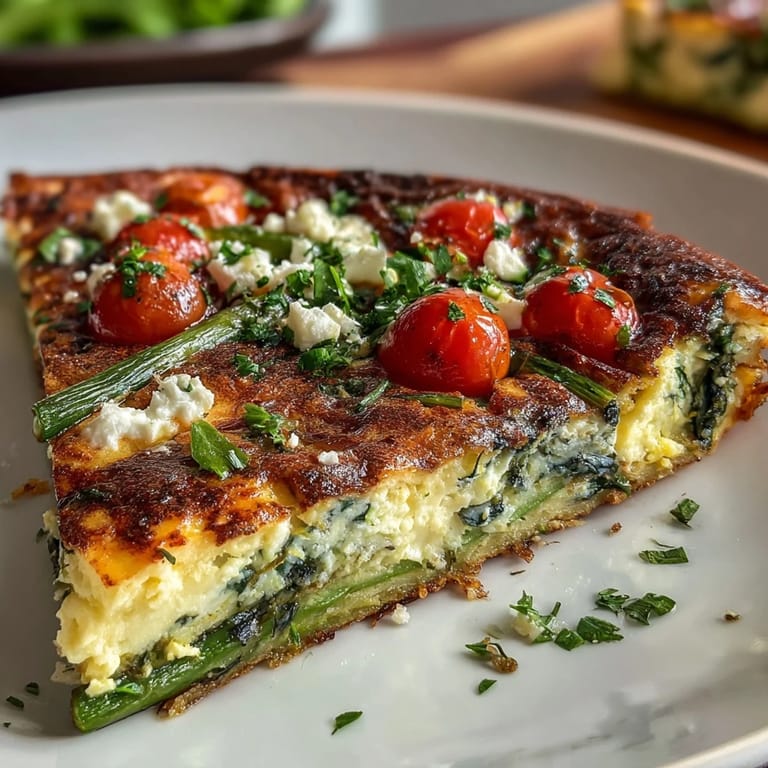
Save My daughter once asked why this tasted like spring itself, and I realized it was because the eggs taste like the vegetables taste like the day they were picked. That's the whole thing, really.
How to Know When It's Perfect
The frittata is done when the edges pull slightly away from the sides of the skillet and the top is set but still has a slight wobble in the very center when you gently shake the pan. It'll continue cooking from residual heat after you pull it out, so don't bake it until it's completely firm or you'll end up with something too dense. If the top starts browning too fast, you can tent it loosely with foil for the last few minutes.
Variations and Swaps That Work
Spring vegetables are really just a suggestion here; I've made this with leftover roasted broccoli, fresh peas, leeks, even mushrooms that were about to turn. The ratio is always the same: six eggs, a quarter cup of milk, about three cups of vegetables. The beauty is that you can work with whatever you've got, and it never tastes like a compromise.
Serving and Storage Wisdom
Serve it warm from the oven with a simple green salad and some crusty bread to soak up the eggy bottom, or let it cool to room temperature and cut it into smaller squares for a crowd. It keeps in the fridge for three days, and cold frittata sliced and tucked into a sandwich the next day is genuinely one of my favorite lunches.
- If you're making this for guests, slice it while it's still warm but not scorching hot, which is the sweet spot where it holds together beautifully.
- A crisp white wine like Sauvignon Blanc pairs perfectly if you're making this for brunch, though coffee and a side of toast work just fine too.
- Leftovers are best enjoyed within three days, stored in an airtight container in the coldest part of your fridge.
 Save
Save This frittata became my answer to people who say they can't cook; it's forgiving, flexible, and tastes like you spent way more time on it than you did. That's the kind of recipe worth keeping close.
Recipe FAQs
- → Can I substitute the feta cheese?
Yes, for a dairy-free option, you can omit the feta or use a plant-based cheese alternative that crumbles well.
- → How can I make this dish vegan?
Replace eggs with a plant-based egg substitute and use dairy-free milk along with vegan cheese options for a vegan-friendly version.
- → What are good vegetable alternatives for this dish?
Seasonal veggies like peas, leeks, or bell peppers work well and add different flavors and textures to the dish.
- → Is this suitable for gluten-free diets?
Yes, all ingredients used are naturally gluten-free, making it suitable for gluten-sensitive individuals.
- → How should I cook the vegetables for best texture?
Sauté the onions first, then add firmer vegetables like asparagus and zucchini until just tender before combining with the softer spinach and tomatoes.